Elon Musk’s car company, Tesla, has quickly become a front-runner in the electric vehicle market, revolutionizing the way we think about transportation. With its sleek design and eco-friendly technology, Tesla has gained a loyal fanbase and sparked the interest of many. However, as with any successful company, there are those who oppose it.
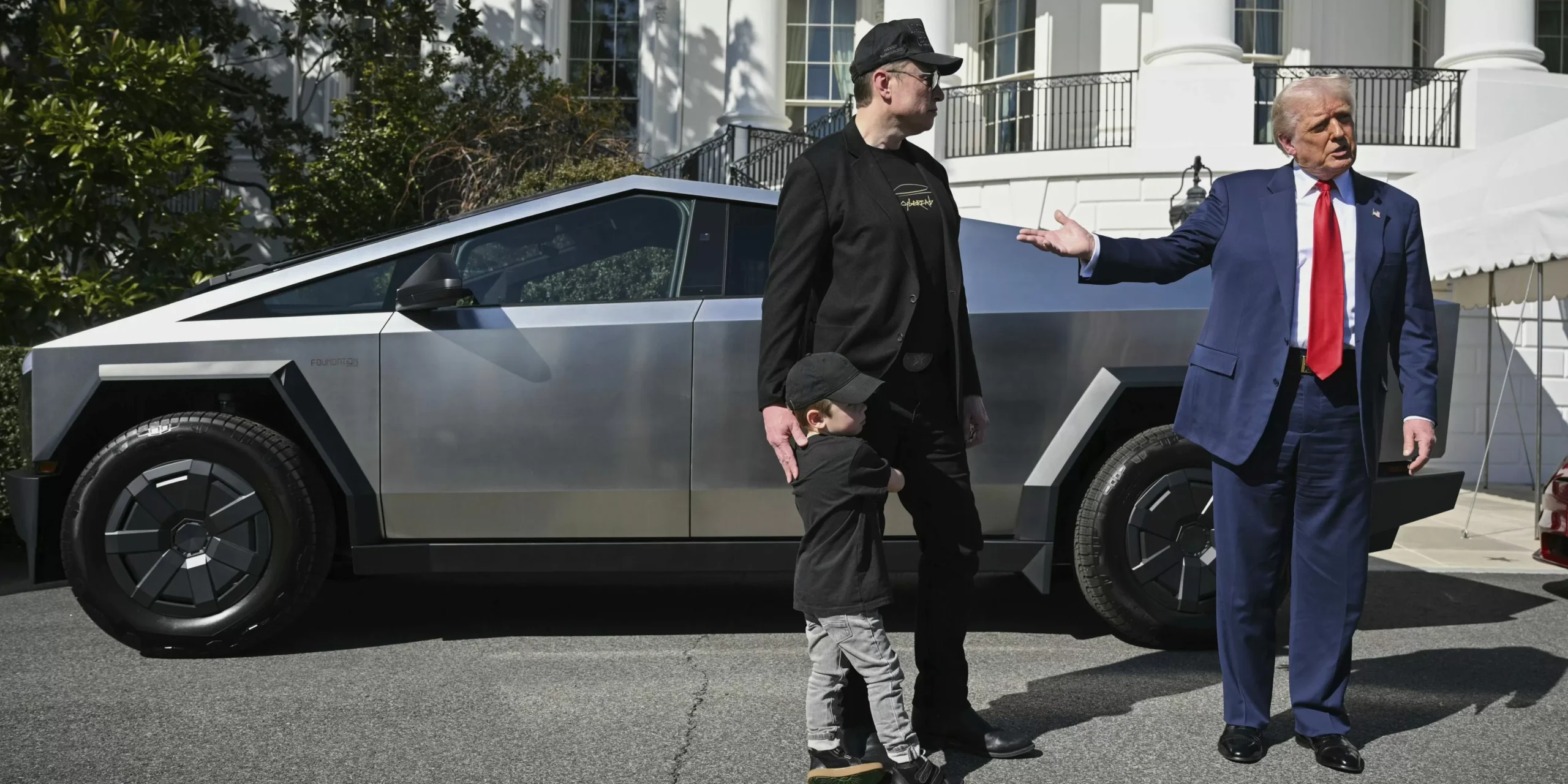
Recently, President Donald Trump did a live White House ad in an attempt to boost Tesla and its founder, Elon Musk. During the ad, Trump made a controversial statement that those who protest against Tesla would “go through hell.” This statement has raised concerns and questions about the rights of individuals to speak out against a business and its practices, and whether or not it constitutes domestic terrorism.
The reality is, protesting against a company is not a form of domestic terrorism. It is a constitutional right protected under the First Amendment. The ability to air grievances and freely express opinions is a fundamental aspect of a functioning democracy. To label protesting against Tesla as domestic terrorism is not only incorrect but also dangerous for the preservation of our democracy.
There have been several instances of protests against Tesla, with the most notable being in the state of California. The protests have been mainly focused on Tesla’s factory in Fremont, California, where workers have expressed their concerns about safety and work conditions. This is not an attack on the company or its founder, but rather a call for improvement and fair treatment.
In response to these protests, Elon Musk has taken to Twitter to dismiss them, calling them “corporate-sponsored union” and “UAW tactics.” However, it is important to note that these protests were not organized by any union, but rather by Tesla employees themselves. Musk’s disregard for their concerns is concerning and goes against the values of progress and innovation that Tesla stands for.
Another argument made to justify Trump’s statement is that the protesting against Tesla can pose a threat to national security. This is a baseless claim, as protesting against a company does not in any way endanger the safety of a country. In fact, peaceful protests have been a significant tool in bringing about change and progress throughout history. It is a way for individuals to voice their dissatisfaction and demand action from those in power.
Moreover, it is hypocritical for the government to label protesting against Tesla as domestic terrorism when they have actively encouraged and supported protests against other companies. For example, Trump himself has encouraged boycotts against companies such as Nike and Apple for their political stances. It is unfair to apply a double standard when it comes to the right to protest.
Trump’s live ad for Tesla and his statement about protesters going through hell sends a dangerous message not only to those who oppose the company but also to the general public. It promotes the idea that dissent and voicing opinions are not allowed and will be met with severe consequences. This goes against the very foundation of democracy and the principles of freedom of speech.
In conclusion, protesting against Tesla is not domestic terrorism, and it is a citizen’s right to express their opinions and concerns. The use of such a term to discredit and silence protesters is not only wrong but also a threat to our democracy. As a society, we should encourage open discussions and peaceful protests to bring about positive change and progress. And if a company like Tesla is facing criticism, it is their responsibility to address and improve any valid concerns raised, rather than dismissing them and labeling them as terrorists. After all, in the words of Elon Musk himself, “Failure is an option here. If things are not failing, you are not innovating enough.” So let us continue to innovate and make progress together, through open dialogue and constructive criticism.