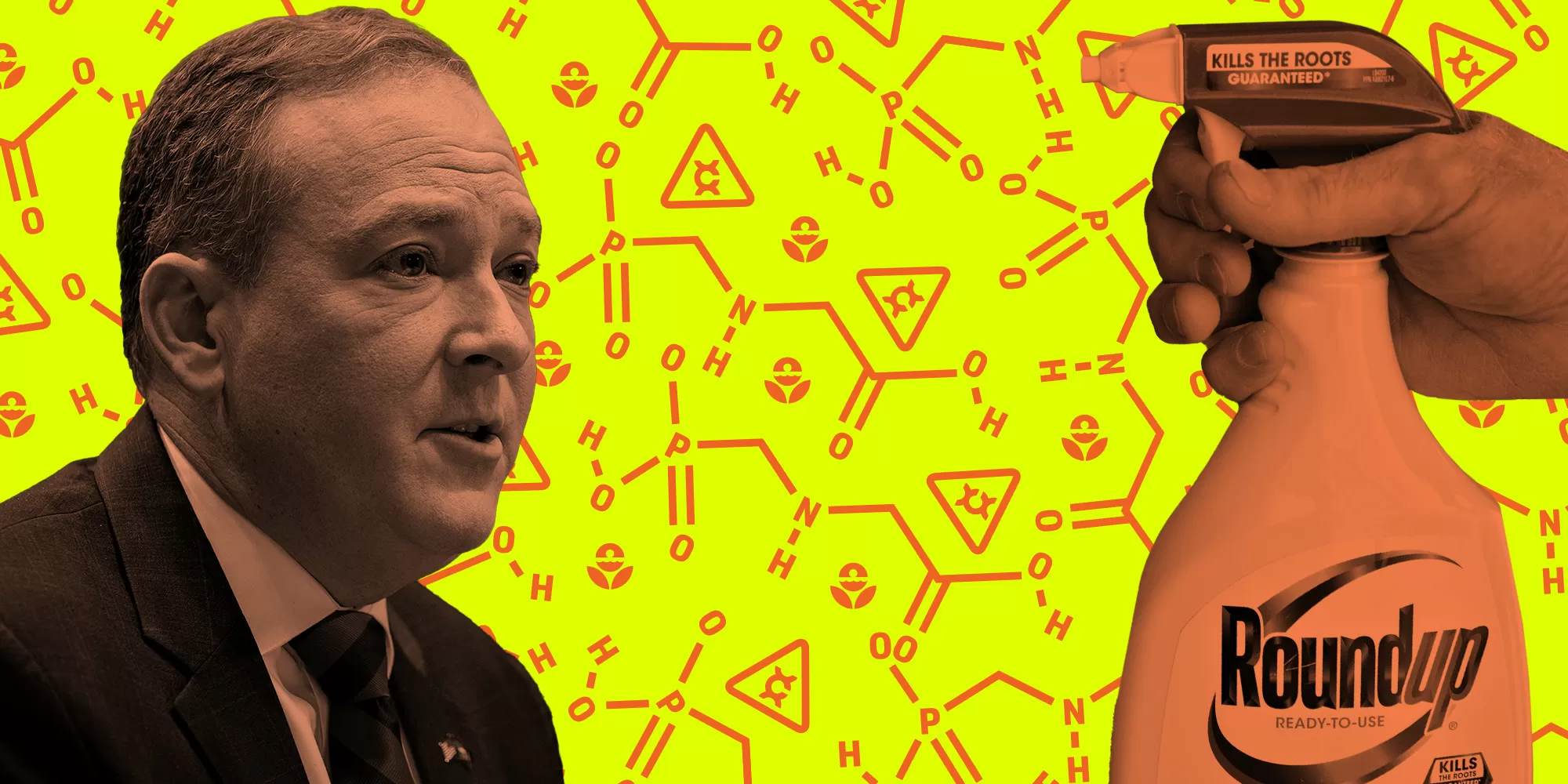
The recent news of the corporation behind Roundup herbicide paying out nearly $11 billion in lawsuits has caused quite a stir in the agricultural community. Roundup, a popular herbicide used to kill weeds, has been linked to causing cancer in humans. This has led to numerous lawsuits against the company, with many individuals seeking compensation for their illnesses.
However, the latest development in this ongoing saga is the Environmental Protection Agency’s (EPA) proposed rule that would make it harder for individuals to sue for getting cancer from Roundup. This move by the Trump administration has been met with both praise and criticism, with some applauding the EPA’s efforts to protect businesses and others condemning it for putting profits over people’s health.
The EPA’s proposed rule, titled “Strengthening Transparency in Regulatory Science,” aims to limit the types of scientific studies that can be used to make regulatory decisions. This means that studies that rely on confidential data or information that cannot be replicated will not be considered when determining the safety of a product. This rule would directly impact the lawsuits against Roundup, as many of the studies linking the herbicide to cancer rely on confidential data from the company.
The corporation behind Roundup, Monsanto, has been at the center of controversy for years. The company has been accused of manipulating science and hiding the potential harmful effects of Roundup. This has led to numerous lawsuits and a tarnished reputation for the company. However, with the EPA’s proposed rule, Monsanto may finally see some relief from the mounting legal battles.
The EPA argues that the proposed rule will increase transparency and strengthen the scientific basis for regulations. This, in turn, will lead to more effective and efficient decision-making. The agency also claims that the rule will help protect confidential business information and intellectual property rights. This is a significant win for companies like Monsanto, who have been fighting to keep their data and research private.
Critics of the proposed rule argue that it will only benefit corporations and put the public’s health at risk. They claim that limiting the types of scientific studies that can be considered will result in weaker regulations and potentially harmful products being approved. They also argue that the rule is a blatant attempt by the Trump administration to protect its corporate allies and weaken environmental regulations.
However, the EPA maintains that the proposed rule is necessary to protect businesses and promote transparency. The agency has also emphasized that the rule will not prevent individuals from filing lawsuits against companies like Monsanto. It will only make it more difficult for them to use certain studies as evidence in their cases.
The controversy surrounding Roundup and its potential health risks has been ongoing for years. While the EPA’s proposed rule may provide some relief for the company, it does not change the fact that Roundup has been linked to causing cancer in humans. The lawsuits against Monsanto will continue, and the company will have to face the consequences of its actions.
In conclusion, the EPA’s proposed rule to limit the types of scientific studies that can be used to make regulatory decisions has sparked a heated debate. While some see it as a necessary step to protect businesses and promote transparency, others view it as a dangerous move that puts corporate interests above public health. Only time will tell the impact of this rule, but one thing is for sure – the controversy surrounding Roundup is far from over.