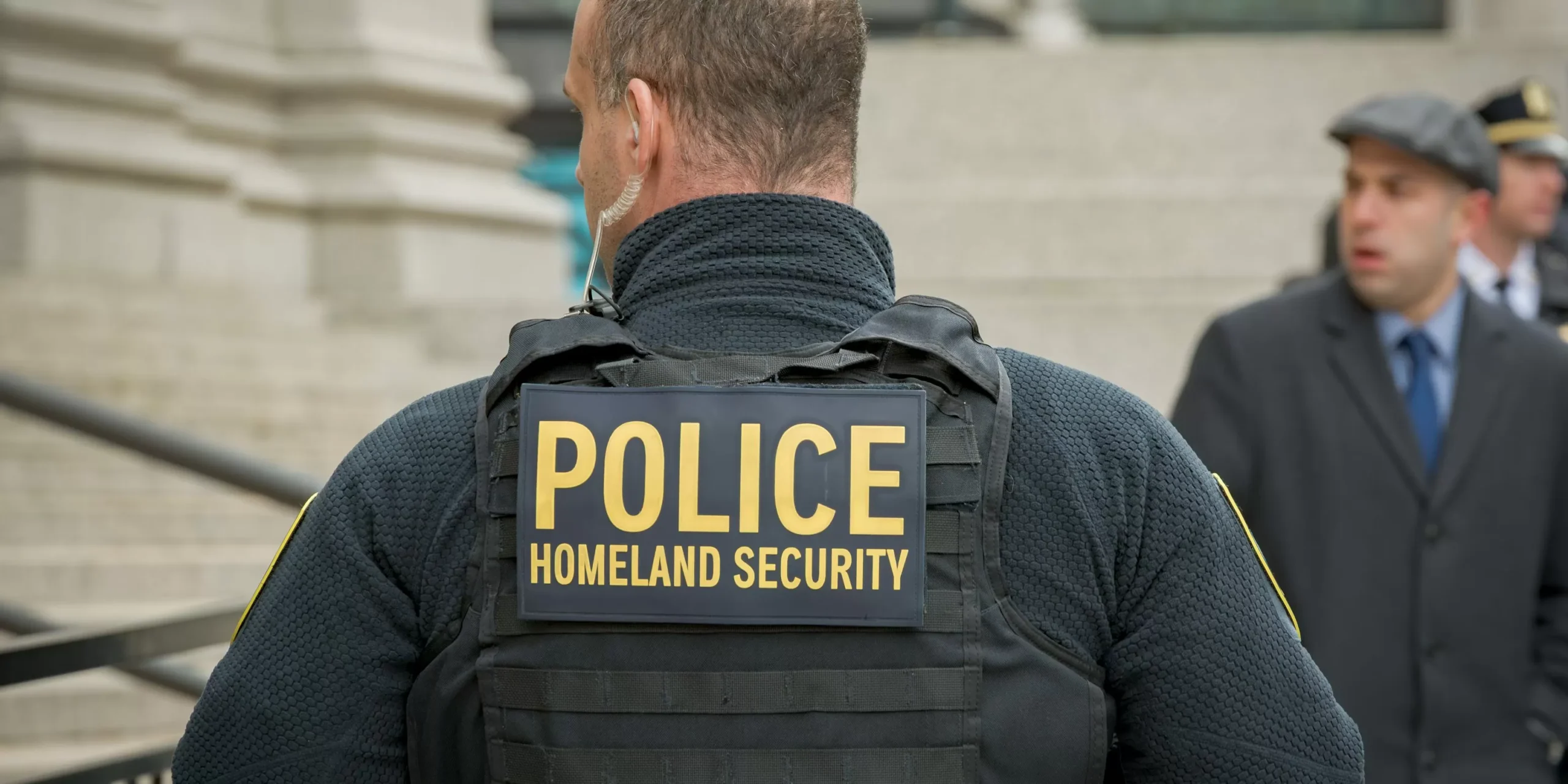
The recent tactical shift in the operations of ICE (Immigration and Customs Enforcement) has raised concerns and sparked debates among immigration advocates and critics alike. The agency’s decision to station agents outside immigration courts has been met with mixed reactions, with some praising it as a necessary step to speed up deportations and others condemning it as a violation of due process and human rights.
In recent years, ICE has faced criticism for its aggressive tactics and the erosion of limits on its power. The agency’s increased presence in communities and its indiscriminate arrests and deportations have instilled fear and uncertainty among immigrants, regardless of their legal status. However, the latest move to station agents outside immigration courts takes this to a whole new level.
The presence of ICE agents outside immigration courts has been reported in various cities across the United States, including New York, Los Angeles, and Houston. These agents, dressed in plain clothes and armed with handcuffs, have been seen waiting outside courtrooms and even inside court buildings, ready to make arrests as soon as an individual’s case is dismissed.
This tactic has been justified by ICE as a way to ensure that individuals with final deportation orders are promptly removed from the country. According to the agency, many individuals who are ordered to be deported fail to show up for their scheduled removal, and this new strategy aims to prevent that from happening.
However, this move has raised concerns among immigration advocates and legal experts, who argue that it violates the due process rights of individuals. They argue that the presence of ICE agents in and around courtrooms creates a hostile environment and intimidates individuals, making it difficult for them to have a fair hearing. This is especially concerning for individuals who may have a valid claim for asylum or other forms of relief but are too afraid to speak up due to the fear of being arrested.
Moreover, this tactic also puts pressure on immigration judges to rush through cases and make quick decisions, which could lead to errors and unjust outcomes. It also undermines the independence of the immigration court system, as judges may feel pressured to rule in favor of the government to avoid any confrontations with ICE agents.
The presence of ICE agents in and around immigration courts also has a chilling effect on the immigrant community as a whole. Many individuals may now think twice before attending their court hearings, out of fear of being arrested and deported. This could lead to a backlog of cases and further delays in the already overburdened immigration court system.
Furthermore, the targeting of individuals outside immigration courts also raises concerns about racial profiling and discrimination. The majority of individuals who appear in immigration courts are people of color, and the presence of ICE agents in these spaces could lead to the targeting and arrest of individuals based on their race or ethnicity.
The decision to station ICE agents outside immigration courts is not only concerning but also unnecessary. The agency already has the resources and authority to track and arrest individuals with final deportation orders, and this tactic only serves to create a climate of fear and intimidation.
It is also important to note that this new strategy is just one of many aggressive tactics employed by ICE in recent years. The agency’s increased use of detention, expedited removals, and workplace raids have all contributed to the erosion of limits on its power and the violation of due process rights.
As a nation built by immigrants, we must remember that our immigration system should be fair and just. It should not be used as a tool for political gain or to instill fear in vulnerable communities. The presence of ICE agents outside immigration courts only serves to further divide our nation and undermine the values of due process and human rights.
In conclusion, the tactical shift in the operations of ICE to station agents outside immigration courts is a concerning development that accelerates the erosion of limits on the agency’s power. It not only violates the due process rights of individuals but also creates a climate of fear and intimidation. As a society, we must demand that our immigration system operates with fairness and compassion, rather than fear and aggression.