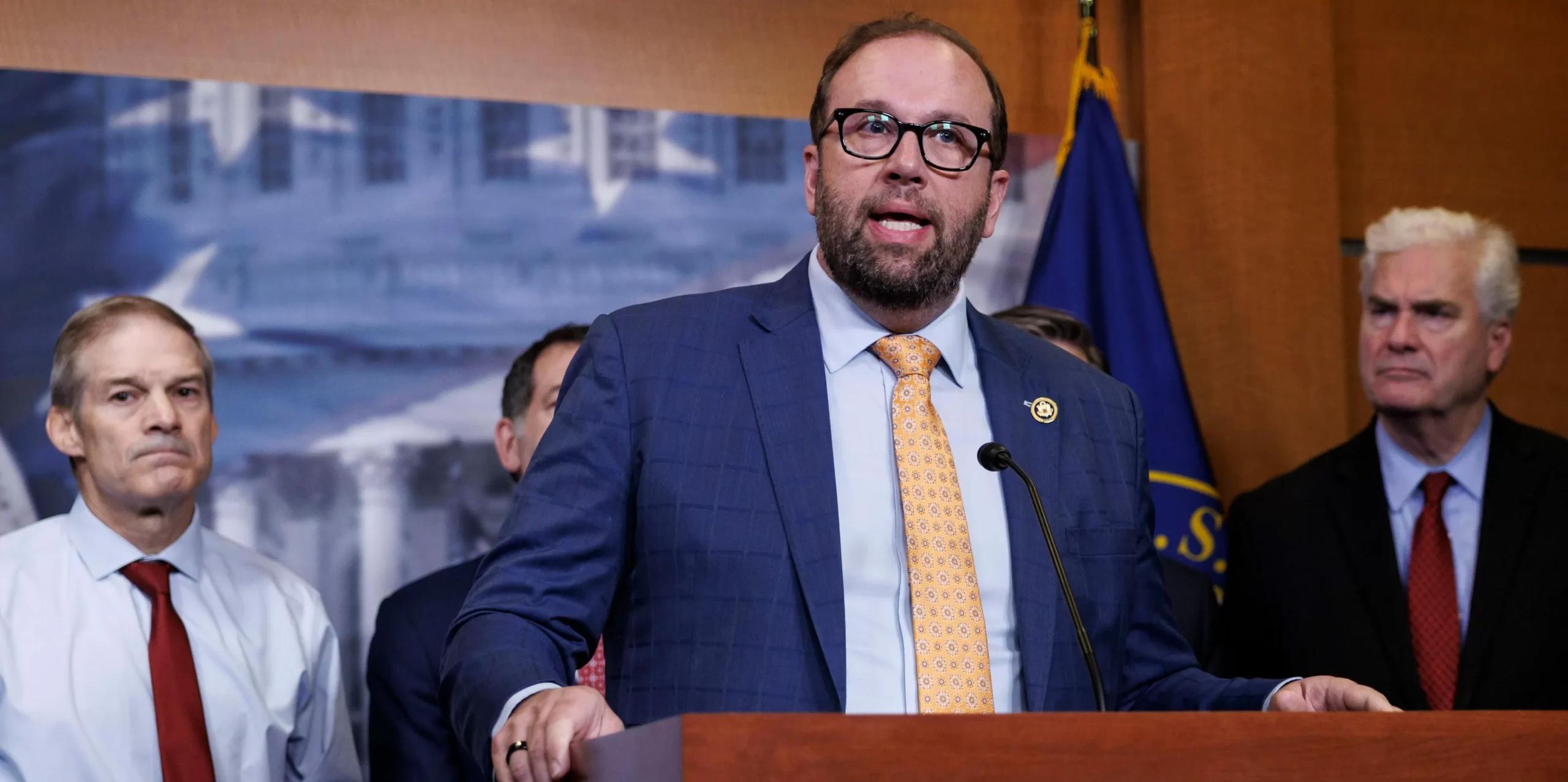
The latest GOP budget bill has been a topic of debate and controversy in recent weeks, with many scrutinizing its provisions and questioning its true intentions. But one particular provision, hidden away on page 1,081, has caught the attention of both Republicans and Democrats alike. It deals with targeting tax leakers, and many are questioning why such a provision has found its way into a budget bill.
At first glance, it may seem like an odd fit for a budget bill to include measures targeting tax leakers. But upon closer inspection, it becomes clear that this is a strategic move by the Republicans to ensure that the American taxpayers’ money is protected and not misused.
Tax leakers, also known as tax whistleblowers, are individuals who reveal confidential tax information of others without proper authorization. This information can range from income details to personal identifying information, and it can have serious consequences for the individuals involved. Not only is it a violation of privacy, but it also has the potential to damage the reputation and financial stability of those affected.
So why does the GOP budget bill focus on punishing people who leak tax returns? The answer lies in the increasing frequency of tax leaks in recent years. With the rise of technology and social media, it has become easier for individuals to share sensitive information, unintentionally or otherwise. This has created a need for stricter measures to deter and punish those who engage in such acts.
The provision in the GOP budget bill specifically targets individuals who leak tax information of persons with significant net worth. This is a crucial step in safeguarding the interests of the wealthy and high-income earners. These individuals are particularly vulnerable to tax leaks, as their private financial information is highly sought after by unscrupulous individuals and organizations. Tax leaks can have a ripple effect on their business dealings, investments, and overall financial well-being, making them prime targets for exploitation.
Furthermore, the provision also addresses the issue of mistrust in the tax system. Tax evasion and fraud have been ongoing problems in the United States, and the lack of trust in the system only exacerbates the issue. By taking a firm stance against tax leakers, the GOP is sending a message that these acts will not be tolerated. This will not only deter potential leakers but also restore faith in the tax system and its ability to safeguard confidential information.
Some may argue that the provision in the budget bill unfairly targets whistleblowers and infringes on their rights. However, this is not the case. The provision is carefully drafted to differentiate between deliberate tax leaks and genuine efforts to expose tax fraud or evasion. Whistleblowers who have legitimate concerns and bring forth evidence of wrongdoing will still be protected under the law. It is only those who maliciously disclose sensitive information for personal gain or with malicious intent that will face repercussions.
Moreover, the provision is not limited to punishing tax leakers alone. It also aims to prevent future leaks by implementing stricter security measures to safeguard tax information. This includes increased encryption and technology upgrades to prevent unauthorized access to confidential data.
In the end, the focus should not be on why the GOP budget bill contains provisions targeting tax leakers, but rather on the importance of addressing this issue. Tax leaks can have serious implications for individuals and the economy as a whole. It is essential to have robust measures in place to discourage such acts and protect confidential information.
In conclusion, the inclusion of provisions targeting tax leakers in the GOP budget bill should not be seen as an odd fit. Rather, it is a necessary and strategic move to safeguard the interests of taxpayers and maintain the integrity of the tax system. By taking action against tax leaks, the GOP is sending a clear message that it takes the protection of sensitive information seriously and will not tolerate any violation of privacy. It is high time that we prioritize the security of confidential tax information and work towards a more transparent and trustworthy tax system.