Recently, a poll was sent to Omar’s district, which has sparked a heated debate among the political circles. The poll was conducted to gauge the response to a potential Democratic candidate who is backed by a right-wing, pro-Israel group. This group is reportedly funded by Trump-supporting billionaires. This development has raised concerns among many about the influence of money and special interest groups in politics.
The poll has brought into question the role of AIPAC (American Israel Public Affairs Committee) in the upcoming elections. AIPAC is a powerful lobbying group that advocates for a strong US-Israel relationship. It is known for its strong ties with the Republican party and its support for pro-Israel policies. However, this recent development has left many wondering if AIPAC is now targeting Democratic candidates as well.
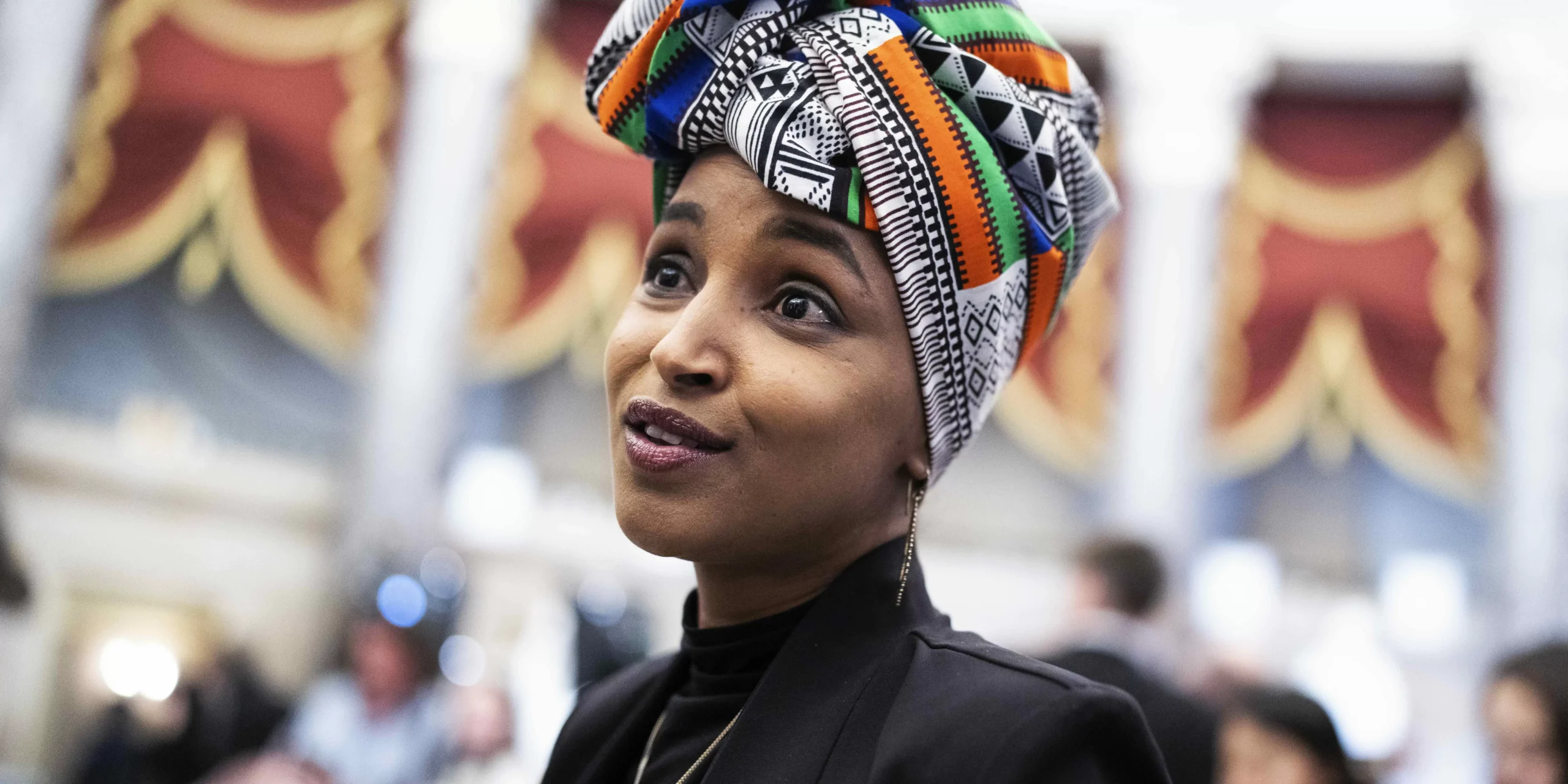
The controversy surrounding the poll has been further fueled by the fact that it was conducted in Omar’s district. Omar, a freshman congresswoman from Minnesota, has been a vocal critic of AIPAC and its influence in US politics. In the past, she has raised concerns about the influence of money in politics and has been a strong advocate for campaign finance reform. Her stance on the Israel-Palestine conflict has also been a source of controversy, with some accusing her of anti-Semitism.
It is no secret that AIPAC has been a major player in US politics for decades. Its annual conference is attended by thousands of politicians, including high-ranking officials from both parties. The organization also spends millions of dollars on lobbying efforts and campaign contributions. Its influence in Washington is undeniable, and it has been successful in shaping US policy towards Israel.
However, the recent poll has raised questions about the extent of AIPAC’s influence and its tactics. Some have accused the organization of trying to influence the outcome of the elections by backing a candidate who aligns with their pro-Israel agenda. This has led to concerns about the integrity of the electoral process and the influence of special interest groups.
AIPAC has denied any involvement in the poll and has stated that it does not endorse candidates. However, the fact that the poll was conducted in Omar’s district, and the group behind it has ties to AIPAC, has raised suspicions. It has also sparked a debate about the role of money in politics and the need for campaign finance reform.
The controversy surrounding the poll has also shed light on the growing divide within the Democratic party over the issue of Israel. While the party has traditionally been a strong supporter of Israel, there has been a shift in recent years. Many younger Democrats, including Omar, have been critical of Israel’s policies towards Palestine and have called for a more balanced approach. This has led to tensions within the party and has put AIPAC in a difficult position.
It is important to note that AIPAC is not the only pro-Israel group that has been involved in US politics. There are several other organizations that also advocate for a strong US-Israel relationship. However, the fact that AIPAC is closely tied to the current administration and its policies has raised concerns about the organization’s motives.
The controversy surrounding the poll has also brought attention to the issue of money in politics. Many believe that the influence of special interest groups and big donors has a detrimental effect on the democratic process. The fact that a pro-Israel group with ties to Trump-supporting billionaires is backing a candidate in a Democratic district is a cause for concern.
In conclusion, the recent poll sent to Omar’s district has sparked a debate about the role of AIPAC in US politics. While the organization has denied any involvement, the fact that it has ties to the group behind the poll has raised suspicions. This development has also brought attention to the issue of money in politics and the need for campaign finance reform. As the 2020 elections approach, it is important for voters to be aware of the influence of special interest groups and to support candidates who are not influenced by their agendas.