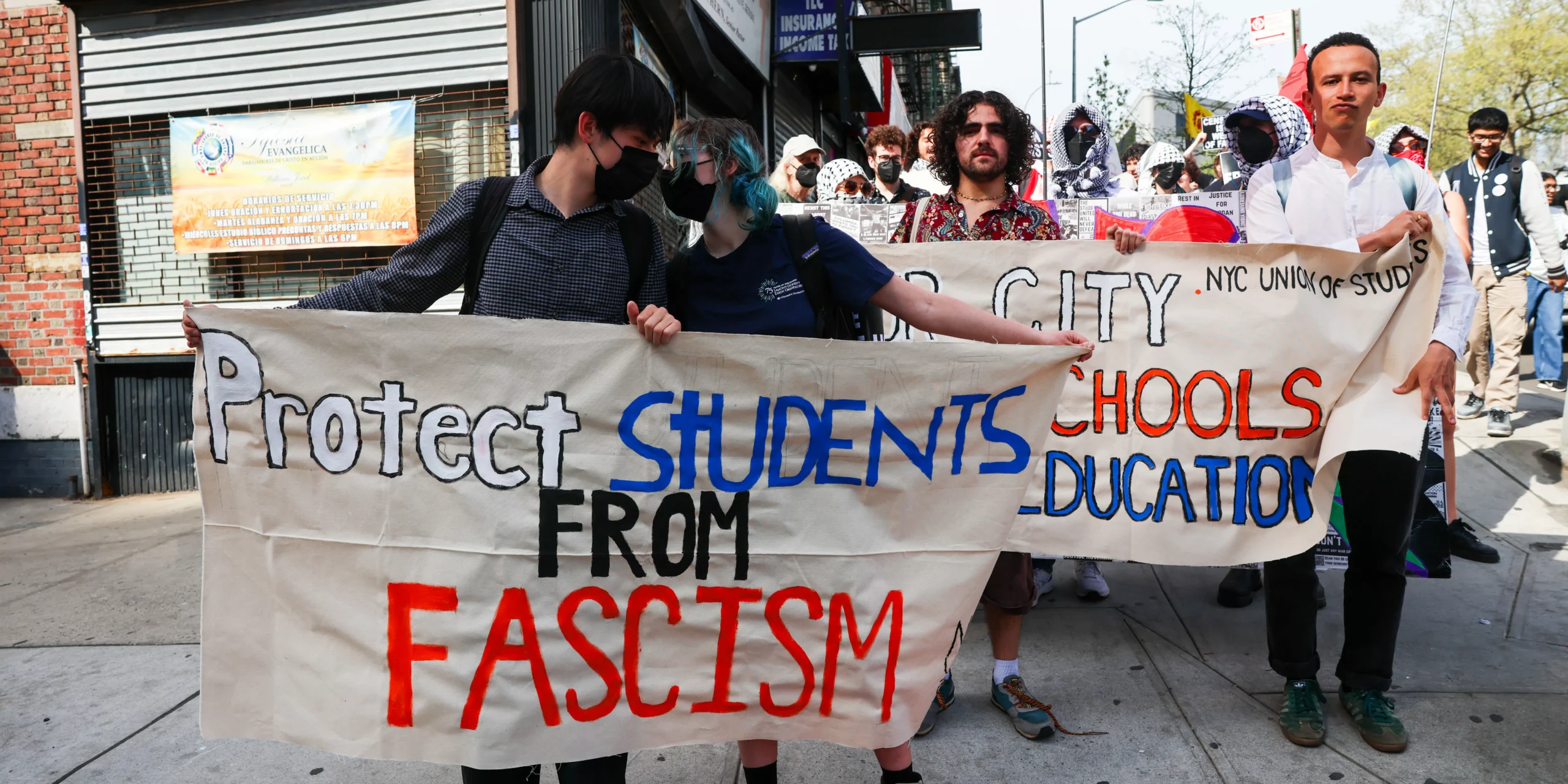
Universities Should Protect Chinese Students from Trump’s Discriminatory Policies
In recent years, the United States has seen a rise in anti-immigrant sentiment and policies, particularly towards Chinese students. The Trump administration has continuously targeted Chinese students, using them as scapegoats for various issues such as intellectual property theft and espionage. This has led to a hostile environment for these students, who come to the US with the dream of pursuing higher education and contributing to society. In the face of these discriminatory policies, it is the responsibility of universities to protect and support their Chinese students.
Recently, academic worker unions have spoken out against the Republican Party’s requests for information about Chinese students. These requests, made under the guise of national security concerns, are nothing but an attempt to further target and isolate Chinese students. The unions have rightly pointed out that this is a violation of the students’ privacy and could lead to discrimination and harassment. It is heartening to see these unions standing up for the rights of Chinese students, but it is also the duty of universities to take a stand and protect their students.
The Trump administration’s policies have already had a negative impact on Chinese students. The number of Chinese students coming to the US has declined for the first time in a decade, and many are reconsidering their decision to study in the US. This is not only detrimental to the students but also to the universities and the country as a whole. Chinese students bring diversity, talent, and economic benefits to the US, and their presence should be celebrated, not targeted.
Furthermore, these policies have created a sense of fear and uncertainty among Chinese students. They are constantly worried about being targeted and facing discrimination. This not only affects their mental health but also their academic performance. Universities should be safe spaces for students to learn and grow, not places where they have to constantly worry about their safety and well-being.
It is also important to recognize that Chinese students are not a homogenous group. They come from different backgrounds, have different beliefs and values, and should not be stereotyped or discriminated against based on their nationality. By rejecting the Republican Party’s requests for information, universities can send a strong message that they value and respect the diversity of their student body.
Moreover, universities have a responsibility to educate their students about the importance of diversity and inclusivity. By welcoming and supporting Chinese students, universities can foster a culture of understanding and acceptance. This not only benefits the students but also prepares them to be global citizens in an increasingly interconnected world.
Some may argue that these policies are necessary for national security, but it is important to note that there are already strict regulations in place for international students. Chinese students go through a rigorous visa process and are subject to background checks before being allowed to study in the US. The Republican Party’s requests for information are unnecessary and only serve to further target and isolate Chinese students.
In the face of these discriminatory policies, it is heartening to see some universities taking a stand. The University of California system, for example, has refused to comply with the requests, stating that they will not release any information without a court order. This is a step in the right direction, but more universities need to follow suit and stand up for their Chinese students.
In conclusion, universities have a moral obligation to protect and support their Chinese students. They should reject the Republican Party’s requests for information and send a message that discrimination and targeting of any group will not be tolerated. By doing so, universities can create a safe and inclusive environment for all students, regardless of their nationality. It is time for universities to take a stand and protect their students from Trump’s discriminatory policies. After all, education should be a tool for breaking barriers, not creating them.