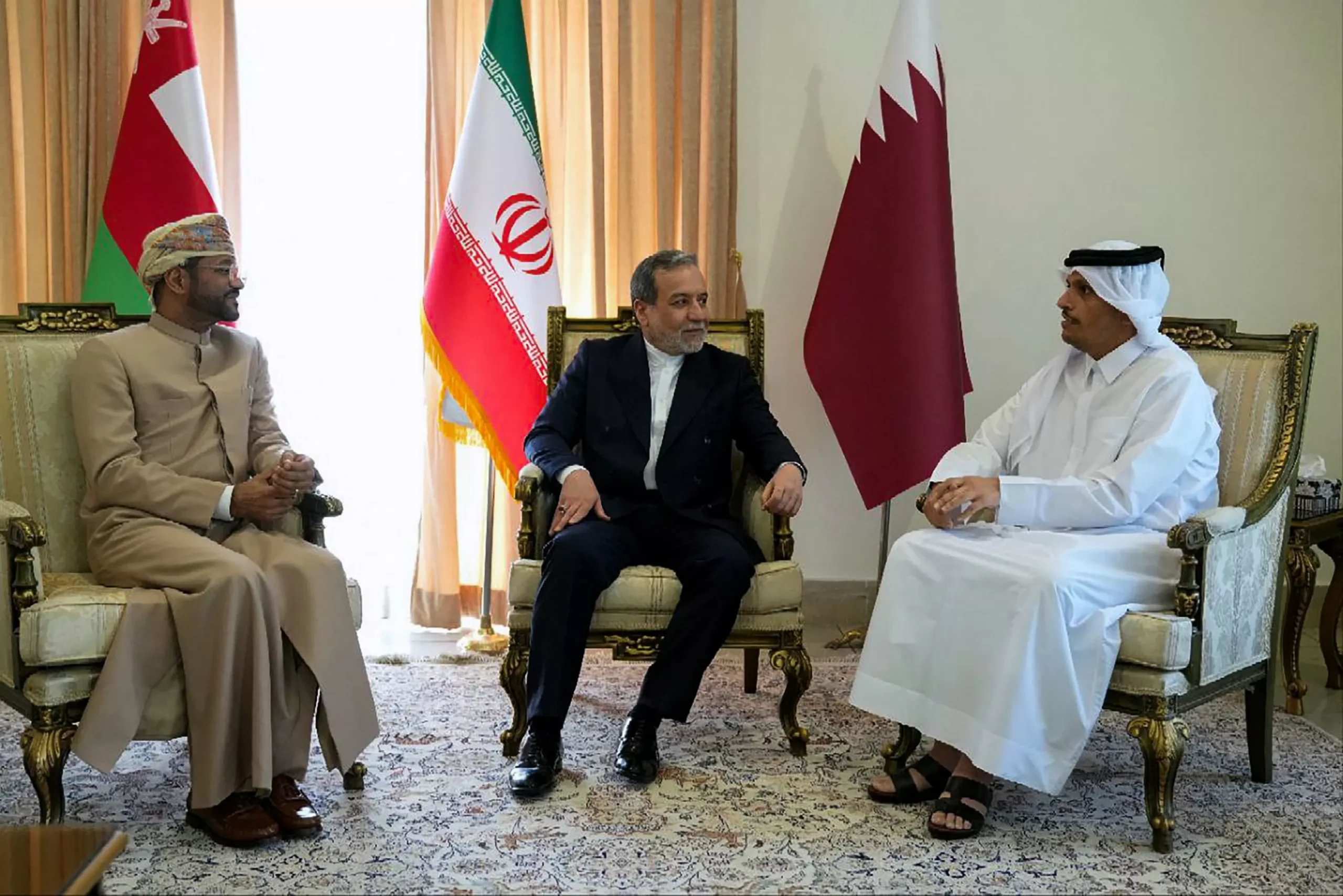
Iran and the United States have been engaged in indirect nuclear talks for the past few months, with the aim of reviving the 2015 nuclear deal. The fifth round of these talks took place in Rome on Friday, and while there was some progress made, it was limited, according to Oman’s foreign minister.
The talks, which were facilitated by the European Union, saw representatives from both Iran and the United States discussing the terms of the nuclear deal, also known as the Joint Comprehensive Plan of Action (JCPOA). The deal, which was signed by Iran, the United States, and other world powers, aimed to limit Iran’s nuclear program in exchange for the lifting of economic sanctions.
The fifth round of talks in Rome was seen as a crucial step towards reviving the JCPOA, which has been on the brink of collapse since the United States withdrew from the deal in 2018. The talks were also seen as a test of the new US administration’s commitment to rejoining the deal and easing tensions with Iran.
Despite the limited progress made in Rome, Oman’s foreign minister, Sayyid Badr bin Hamad bin Hamood Al Busaidi, remained optimistic about the outcome. He described the talks as “somewhat positive” and emphasized the importance of continuing the dialogue between the two nations.
The fact that both Iran and the United States were willing to engage in these talks is a positive sign in itself. It shows a willingness to find a diplomatic solution to the tensions that have been brewing between the two countries for years. The fact that the talks have been ongoing for several months also indicates a commitment from both sides to reach a resolution.
The limited progress made in Rome can be attributed to the complex nature of the issues at hand. The JCPOA is a detailed and intricate agreement, and any changes or additions to it must be carefully considered by all parties involved. It is not a simple matter that can be resolved in a single meeting.
However, the fact that progress was made, no matter how limited, is a step in the right direction. It shows that both Iran and the United States are willing to compromise and find common ground. This is crucial for the success of the talks and the revival of the JCPOA.
The role of Oman in facilitating these talks cannot be overlooked. As a neutral party, Oman has been instrumental in bringing both sides to the negotiating table. The country has a long history of promoting peace and stability in the region, and its efforts in this matter are commendable.
The fifth round of talks in Rome also saw the participation of other world powers, including China, Russia, France, Germany, and the United Kingdom. This shows the global support for the revival of the JCPOA and the importance of finding a peaceful solution to the tensions between Iran and the United States.
While there is still a long way to go, the limited progress made in Rome is a positive sign for the future of the JCPOA. It shows that both Iran and the United States are committed to finding a diplomatic solution and are willing to engage in dialogue. This is a significant shift from the previous administration’s approach, which relied heavily on sanctions and isolation.
The talks in Rome have also been a test of the new US administration’s commitment to rejoining the JCPOA. President Joe Biden has repeatedly expressed his desire to revive the deal, and these talks have shown that he is willing to take concrete steps towards that goal.
In conclusion, while the fifth round of indirect nuclear talks between Iran and the United States may have yielded limited progress, it is still a step in the right direction. The fact that both sides are engaging in dialogue and showing a willingness to compromise is a positive sign for the future. With the support of other world powers and the efforts of Oman, there is hope that a resolution can be reached and the JCPOA can be revived. It is crucial that both sides continue to engage in constructive dialogue and work towards a peaceful solution for the benefit of all involved.