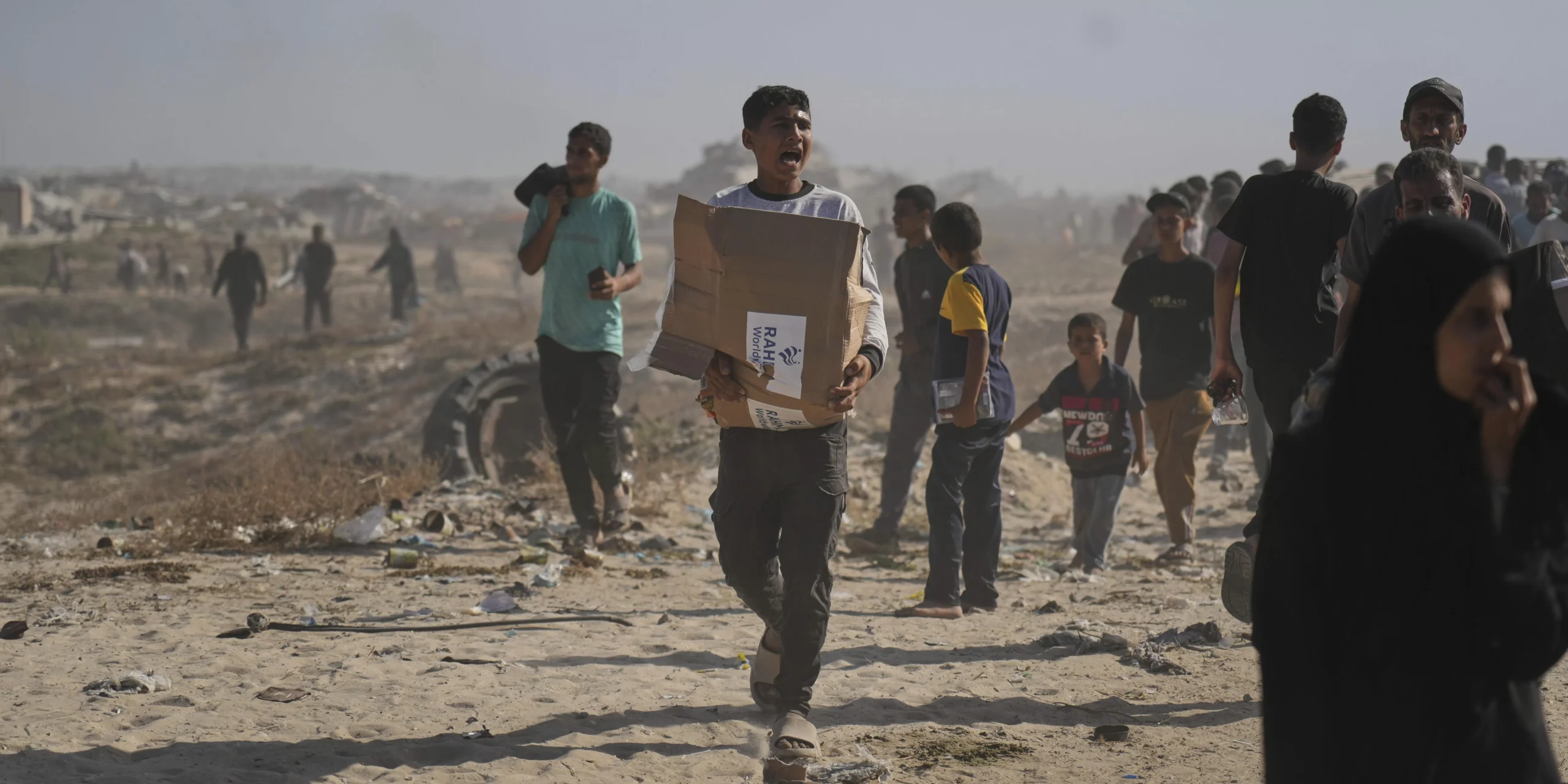
In recent years, the Gaza Strip has been facing a humanitarian crisis, with limited access to basic necessities such as food, water, and medical supplies. In an effort to alleviate this crisis, the United States and Israel formulated a joint plan to improve aid distribution in the region. However, since the implementation of this plan, a nonprofit has been put in charge of aid distribution, and the consequences have been devastating. The rising death toll and injuries of innocent civilians in Gaza are a direct result of this flawed plan.
According to reports, at least nine people have been killed and 47 injured since the nonprofit took over aid distribution in Gaza. These casualties include women and children, who were simply trying to access much-needed aid. This is unacceptable and goes against the very purpose of aid distribution, which is to provide assistance to those who are in need.
One of the main issues with the U.S.–Israel aid distribution plan is the lack of transparency and accountability. The nonprofit in charge of aid distribution has not been transparent about their methods and criteria for distributing aid, leading to allegations of favoritism and discrimination. This has caused tensions and conflicts among the already vulnerable population in Gaza, further exacerbating the humanitarian crisis.
Moreover, the nonprofit has been accused of mishandling aid and diverting it from those who need it the most. This careless approach has not only resulted in the loss of lives but also in the waste of precious resources that could have been used to improve the situation in Gaza. In a region where every resource counts, such wastage is simply unacceptable.
Furthermore, the joint U.S.–Israel plan fails to address the root causes of the humanitarian crisis in Gaza. The ongoing blockade and restrictions imposed by Israel have severely limited the access and movement of people and goods. This has crippled the economy and made it difficult for aid to reach those who need it. Without addressing these underlying issues, any aid distribution plan will only provide temporary relief and not long-term solutions.
It is clear that the U.S.–Israel aid distribution plan is not working and is, in fact, causing more harm than good. It is time for a change in approach. The solution lies in empowering the local community and involving them in the aid distribution process. This will not only ensure transparency and accountability but also provide a sense of ownership to the people of Gaza. They know their community’s needs and will be most effective in addressing them.
Furthermore, the international community must put pressure on Israel to lift the blockade and restrictions on Gaza. The humanitarian crisis in Gaza is a man-made disaster, and without addressing the root causes, any aid distribution plan will be futile. It is time to hold Israel accountable for its actions and demand an end to the suffering of the people of Gaza.
In conclusion, the U.S.–Israel aid distribution plan in Gaza has resulted in a rising death toll and injuries, causing more harm than good. The lack of transparency and accountability, as well as the failure to address the root causes of the crisis, have led to a flawed approach that is not benefiting the people of Gaza. It is time for a change in strategy, one that empowers the local community and addresses the underlying issues. The international community must also play its part in pressuring Israel to lift the blockade and restrictions on Gaza. Only through a comprehensive and inclusive approach can we truly make a positive impact in the lives of the people of Gaza.