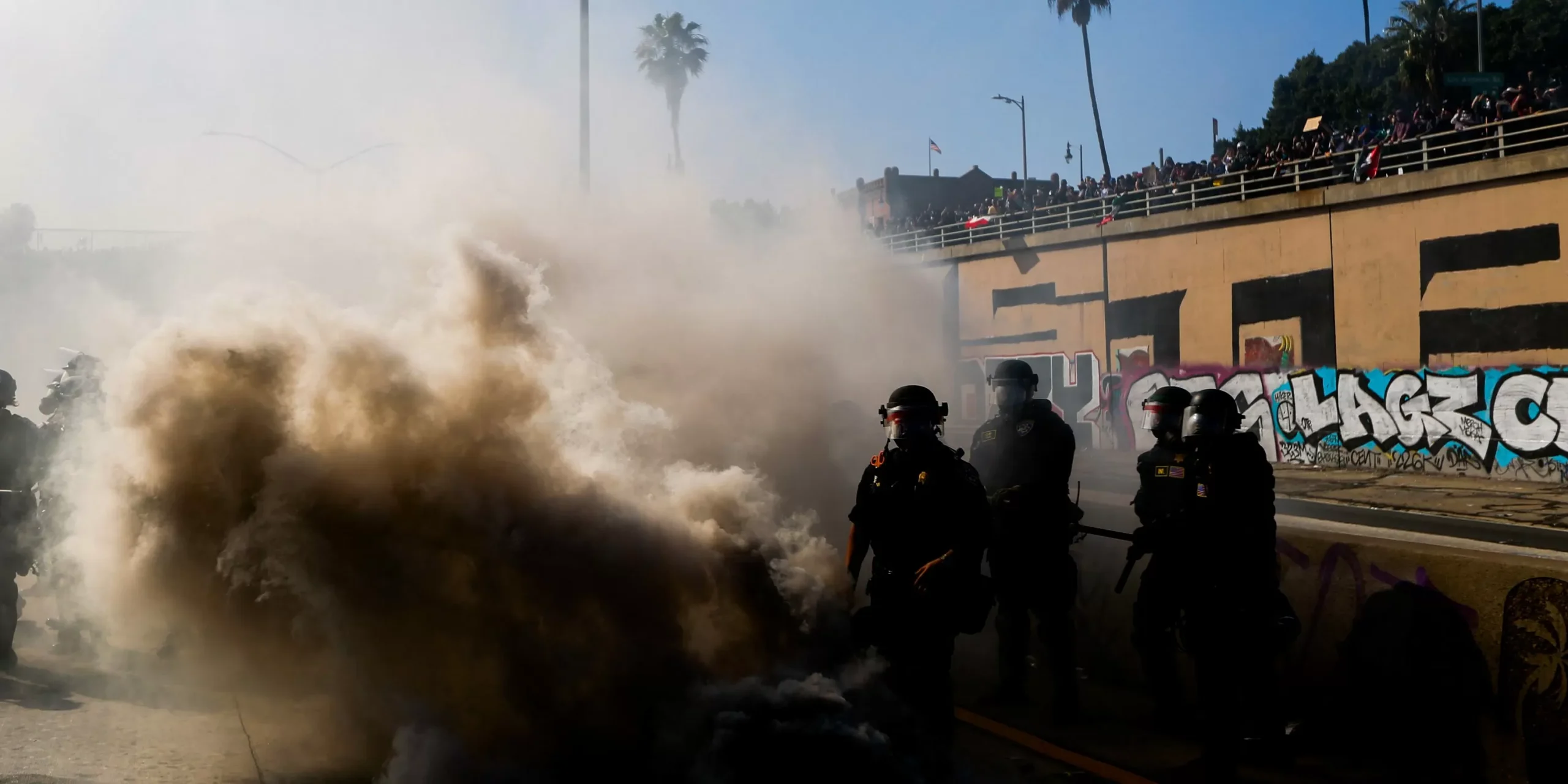
Police tactics during protests have been a hot topic in recent years, with many cities facing criticism for their use of tear gas and rubber bullets. From Seattle to Chicago, law enforcement agencies have been accused of using excessive force against peaceful protesters. As the country continues to grapple with issues of police brutality and systemic racism, it is important for citizens to understand their rights and how to stay safe while exercising their right to protest.
In the wake of the recent protests against Immigration and Customs Enforcement (ICE), it is crucial for individuals to be aware of the potential dangers they may face while demonstrating. ICE has been at the center of controversy for its aggressive tactics and inhumane treatment of immigrants. As a result, many people have taken to the streets to demand change and show solidarity with those affected by ICE policies.
However, these protests have not been without their share of clashes with law enforcement. In cities like Portland, Oregon, tear gas and rubber bullets have been used to disperse crowds, leading to injuries and arrests. This has sparked a debate about the appropriate use of force by police and the impact it has on the safety of protesters.
In Seattle, the use of tear gas has been a contentious issue for years. In 2016, the city council voted to ban the use of tear gas, but the ban was lifted in 2020 during the protests against police brutality. This decision has been met with criticism, as tear gas has been linked to serious health issues and can cause harm to those with pre-existing conditions. The use of rubber bullets has also been a cause for concern, as they have been known to cause serious injuries and even death.
In Chicago, the police department has faced backlash for its handling of protests, with reports of excessive force and arrests of peaceful demonstrators. The city has also faced criticism for its use of surveillance technology, such as facial recognition, to monitor protesters. This has raised concerns about the violation of privacy and the potential for targeting of activists.
So, what can individuals do to stay safe while protesting? First and foremost, it is important to know your rights. The First Amendment guarantees the right to peaceful assembly and free speech, and it is crucial to exercise these rights while remaining within the bounds of the law. It is also important to be aware of any curfews or restrictions that may be in place during protests.
Additionally, it is important to be prepared for potential encounters with law enforcement. This includes having a plan in case of arrest, such as having the number of a lawyer or legal aid organization on hand. It is also important to have a designated meeting spot in case of separation from the group.
In terms of physical safety, it is important to wear protective gear, such as goggles and a mask, to protect against tear gas and other irritants. It is also important to stay hydrated and have a first aid kit on hand in case of injuries.
It is also important to be aware of your surroundings and stay vigilant. This includes being cautious of potential agitators or infiltrators who may try to incite violence or disrupt the peaceful nature of the protest.
In conclusion, while the use of tear gas and rubber bullets by police may be a cause for concern, it is important for individuals to exercise their right to protest and demand change. By being informed and prepared, individuals can stay safe while making their voices heard. It is also important for law enforcement agencies to re-evaluate their tactics and prioritize the safety of all individuals involved in protests. Together, we can create a safer and more just society for all.