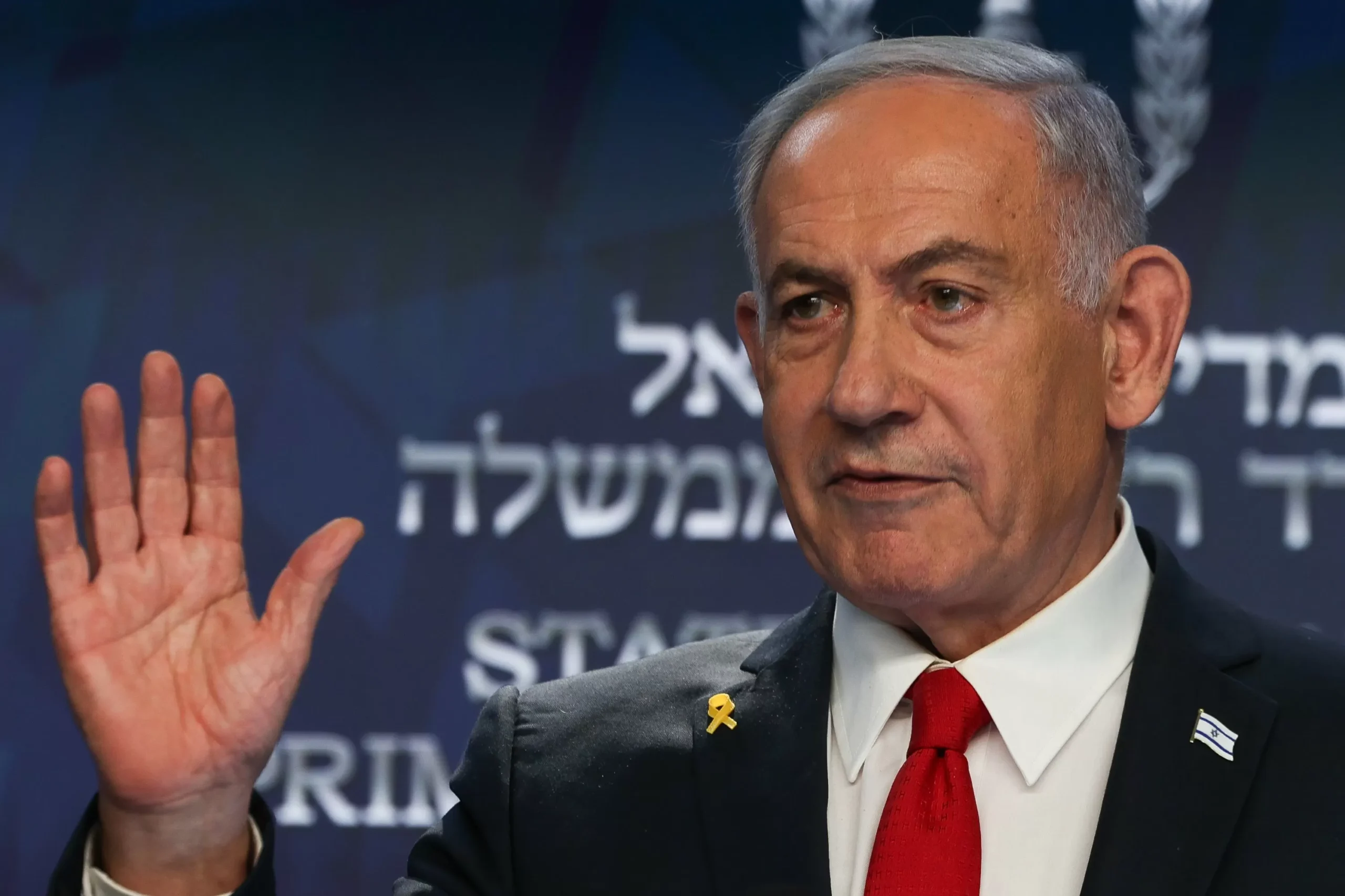
Israeli Prime Minister Benjamin Netanyahu sparked controversy on Monday when he proposed the idea of assassinating Iran’s Supreme Leader Ali Khamenei in order to end the ongoing conflict with Tehran. In an interview with Israeli news station Channel 12, Netanyahu firmly stated his belief that taking out Khamenei could ultimately bring about peace between the two nations. This suggestion has faced intense backlash from both domestic and international critics, with many condemning it as a dangerous and reckless proposition.
Netanyahu’s statement came amidst growing tensions between Israel and Iran, fueled by a series of recent attacks and escalations in the region. The Israeli Prime Minister has been a vocal opponent of Iran’s nuclear program, consistently warning against the development of nuclear weapons by the Iranian government. In his interview, Netanyahu painted Khamenei as the ultimate arbiter of Iran’s nuclear ambitions, stating that removing him from power would effectively dismantle the regime’s plans for nuclear capabilities.
This bold suggestion has been met with a mix of shock and disbelief, with many questioning the morality and legality of such an action. The idea of assassinating a foreign leader, particularly one as influential and powerful as Khamenei, goes against international norms and could have severe repercussions. Not only would it violate Iran’s sovereignty, but it could also lead to a full-scale war between the two countries, endangering the lives of countless civilians.
Furthermore, the very notion of using violence as a means to bring about peace is deeply problematic. The idea that killing one person could solve a complex and nuanced geopolitical conflict oversimplifies the situation and disregards the human cost of such a drastic action. It also reflects a dangerous mentality of aggression and aggression as a means to an end, rather than seeking peaceful and diplomatic solutions.
Netanyahu’s suggestion has also been met with criticism from within Israel, with some political opponents accusing him of using sensationalist rhetoric to distract from domestic issues. This statement comes at a time when Netanyahu is facing intense scrutiny and criticism for his handling of the ongoing COVID-19 pandemic and his own corruption charges. Many have accused him of using this proposal as a political ploy to gain support and deflect from these issues.
Despite the backlash, Netanyahu has refused to backtrack on his statement, stating that “when someone tries to kill you, you try to kill them first.” This aggressive rhetoric only serves to further escalate tensions and perpetuate a cycle of violence. It also undermines efforts by other world leaders to de-escalate the conflict and find a peaceful solution.
Ultimately, the suggestion of assassinating Iran’s Supreme Leader is not only impractical and dangerous, but it goes against the very principles of diplomacy and international relations. It undermines efforts to find a peaceful resolution and only serves to further complicate an already volatile situation. It is imperative that leaders on both sides prioritize dialogue and diplomacy in order to bring about lasting peace in the region.
In conclusion, Prime Minister Netanyahu’s proposal to assassinate Iran’s Supreme Leader is a reckless and unacceptable suggestion that has been rightfully met with widespread condemnation. It goes against international norms and reflects a dangerous mentality of violence as a means to an end. It is crucial that leaders in the region focus on finding peaceful solutions and de-escalating tensions, rather than resorting to violent and destructive measures. Only through dialogue and diplomacy can a lasting and peaceful resolution be achieved.