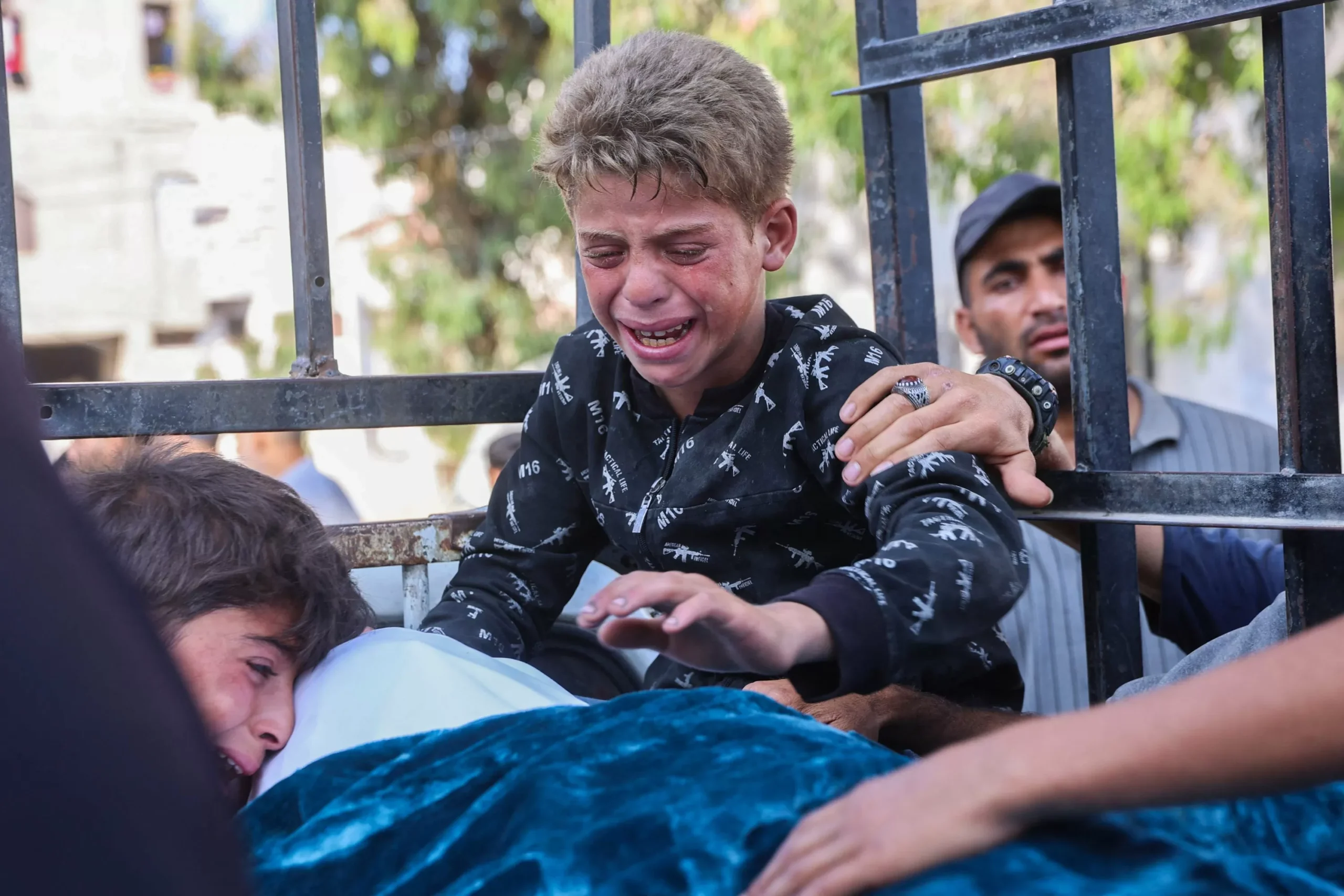
Violence against children caught in escalating global conflicts reached unprecedented levels in 2024, with Gaza, the West Bank, Congo, Somalia, Nigeria and Haiti among the worst affected regions. This disturbing trend is a harsh reminder of the devastating impact of war and conflict on innocent children, who are often the most vulnerable and voiceless victims.
According to a report by the United Nations Children’s Fund (UNICEF), the number of children killed or maimed in conflict zones has risen dramatically in recent years, with an estimated 24,000 children losing their lives in 2024 alone. This is a staggering 60% increase from the previous year. The report also highlights the alarming rise in the use of child soldiers, with an estimated 250,000 children being recruited and forced to fight in armed conflicts.
The situation is particularly dire in the Gaza Strip, where children have been subjected to a decade-long blockade and three major conflicts since 2008. The ongoing Israeli-Palestinian conflict has had a devastating impact on children, with many losing their homes, schools and even their lives. In 2024, the Israeli military launched a series of airstrikes on Gaza, killing over 500 children and injuring thousands more. The indiscriminate use of force and the targeting of civilian areas has caused unimaginable suffering for children in Gaza.
The West Bank has also seen a sharp increase in violence against children, with clashes between Palestinian protesters and Israeli forces resulting in the deaths of several children. In addition, the expansion of illegal Israeli settlements in the West Bank has led to the displacement of Palestinian families, leaving children without access to basic services and education.
In the Democratic Republic of Congo, children have been caught in the crossfire of a brutal conflict between government forces and armed rebel groups. The use of child soldiers, sexual violence and forced recruitment have become common tactics in this conflict, leaving a generation of children traumatized and without a future.
In Somalia, children are facing a humanitarian crisis due to ongoing conflict and drought. The country has one of the highest rates of child mortality in the world, with an estimated 1 in 7 children dying before their fifth birthday. The lack of access to healthcare, education and basic necessities has had a devastating impact on the lives of children in Somalia.
Nigeria has also been plagued by violence against children, particularly in the northeastern region where the Boko Haram insurgency has caused widespread displacement and suffering. Children have been kidnapped, recruited as child soldiers and subjected to horrific acts of violence, including sexual abuse and forced marriages.
Haiti, already one of the poorest countries in the world, has also been facing a surge in violence against children. The country has been embroiled in political turmoil and gang violence, leaving children vulnerable to exploitation, trafficking and abuse.
The impact of violence on children goes beyond the physical harm and injuries they may suffer. It also has a long-lasting psychological impact, leaving children with trauma, anxiety and depression. Many of these children are forced to grow up in a constant state of fear and uncertainty, with their childhoods stolen from them.
It is the responsibility of the international community to take urgent action to protect children caught in conflict zones. Governments must ensure that international laws and conventions protecting the rights of children are upheld and perpetrators of violence are held accountable. Humanitarian aid and support must also be provided to those affected by conflict, with a focus on the most vulnerable, including children.
But ultimately, the only solution to ending the violence against children is to put an end to the conflicts themselves. It is time for world leaders to prioritize peace and diplomacy over war and violence. Investing in education, healthcare and sustainable development in conflict-affected areas can help break the cycle of violence and create a better future for children.
As individuals, we can also play a role in supporting organizations that work towards protecting the rights and well-being of children in conflict zones. We can also raise awareness and advocate for the rights of these children, ensuring that their voices are heard and their stories are not forgotten.
Let us not forget that children are the future of our world. We must take action now to ensure that they are not robbed of their childhood and their right to a safe and peaceful life. Only then can we truly build a better and more just world for all.