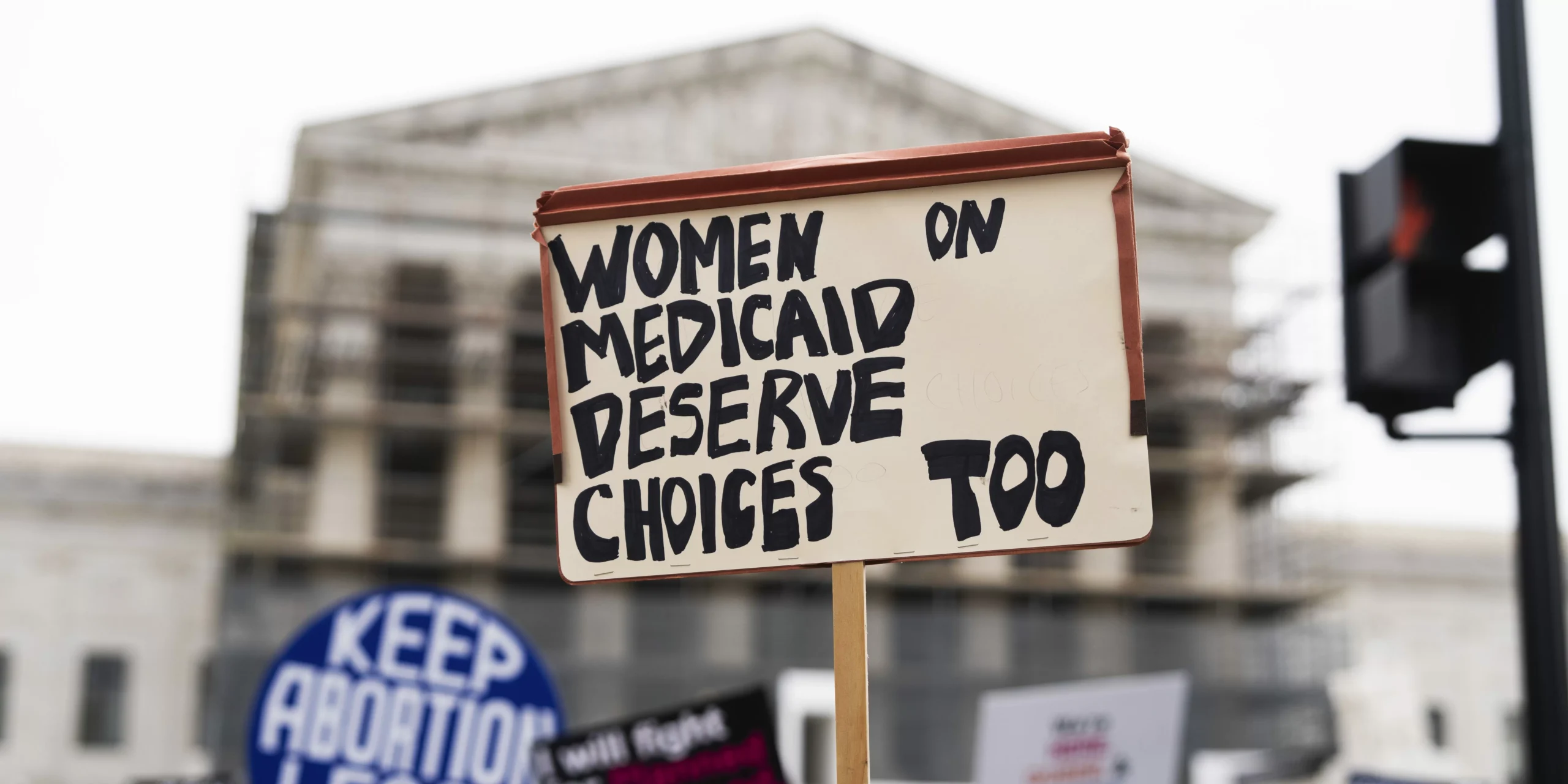
In a recent 6 to 3 decision, the United States Supreme Court made a ruling that could potentially have a major impact on the healthcare system in South Carolina. The decision allows the state to deny Medicaid patients access to healthcare services provided by Planned Parenthood. This has raised concerns among many individuals and organizations, as it could affect over 1 million people who rely on Planned Parenthood for essential healthcare services.
This ruling comes as a result of a long-standing battle between the state of South Carolina and Planned Parenthood. The state has been seeking to block Medicaid patients from receiving care from the organization since 2018. This decision by the Supreme Court is a major setback for Planned Parenthood and its mission to provide affordable and quality healthcare to all individuals, regardless of their background or income.
Planned Parenthood is a non-profit organization that has been serving the community for over a century. Its services range from reproductive health services, including family planning and contraception, to other essential healthcare services such as cancer screenings, STI testing and treatment, and general health check-ups. For many low-income individuals, Planned Parenthood is the only accessible and affordable healthcare provider in their communities.
The ruling has been met with disappointment and outrage by healthcare advocates and patients alike. Many argue that denying Medicaid patients access to Planned Parenthood’s services is a direct attack on women’s healthcare and reproductive rights. By allowing the state of South Carolina to restrict access to these services, the Supreme Court is essentially putting politics above the health and well-being of individuals.
One of the main arguments made by the state of South Carolina is that Planned Parenthood is an abortion provider and that Medicaid funds should not be used to support such services. However, it is important to note that federal law already prohibits the use of Medicaid funds for abortion services except in cases of rape, incest, or if the mother’s life is in danger. Planned Parenthood has made it clear that no federal funding is used for abortion services and that most of its funding comes from private donations and patient fees.
The impact of this ruling will be felt by many individuals, particularly low-income women and those living in rural areas. For some, Planned Parenthood is their only source of healthcare, and without it, they may go without essential services or be forced to seek care from unqualified and potentially dangerous sources. This could have serious consequences for the health and well-being of these individuals and their families.
Moreover, this ruling sets a dangerous precedent and could potentially open the door for other states to follow suit and restrict access to essential healthcare services. It also sends a message that the government is willing to deny individuals their rights to healthcare based on political beliefs, rather than medical facts and the needs of the community.
However, despite this setback, Planned Parenthood has vowed to continue fighting for the health and rights of their patients. The organization has a strong history of standing up against attacks on women’s healthcare and will continue to do so in the face of this ruling. It is also important for individuals to remember that this decision does not reflect the views of the majority of Americans, who support access to safe and affordable healthcare for all.
It is disheartening to see the Supreme Court making a decision that could have such harmful consequences for over 1 million individuals in South Carolina. Denying Medicaid patients access to healthcare services provided by Planned Parenthood is a violation of their rights and goes against the core values of our country. It is up to us, as a society, to continue to advocate for the health and well-being of all individuals, regardless of their income or political beliefs. Together, we can make a difference and ensure that everyone has access to the healthcare they need and deserve.