Iran has once again denied reports that it will resume nuclear talks with the United States, following the end of a 12-day conflict with Israel. The Iranian government has accused Washington of exaggerating the effectiveness of its airstrikes on the country, and has reiterated its stance on not entering into any negotiations with the U.S.
The news of a possible resumption of talks between Iran and the U.S. had spread like wildfire, with many hoping for a peaceful resolution to the ongoing tensions between the two countries. However, Iran’s Foreign Ministry spokesperson, Saeed Khatibzadeh, has made it clear that these reports are false and that Iran has no intention of engaging in talks with the U.S.
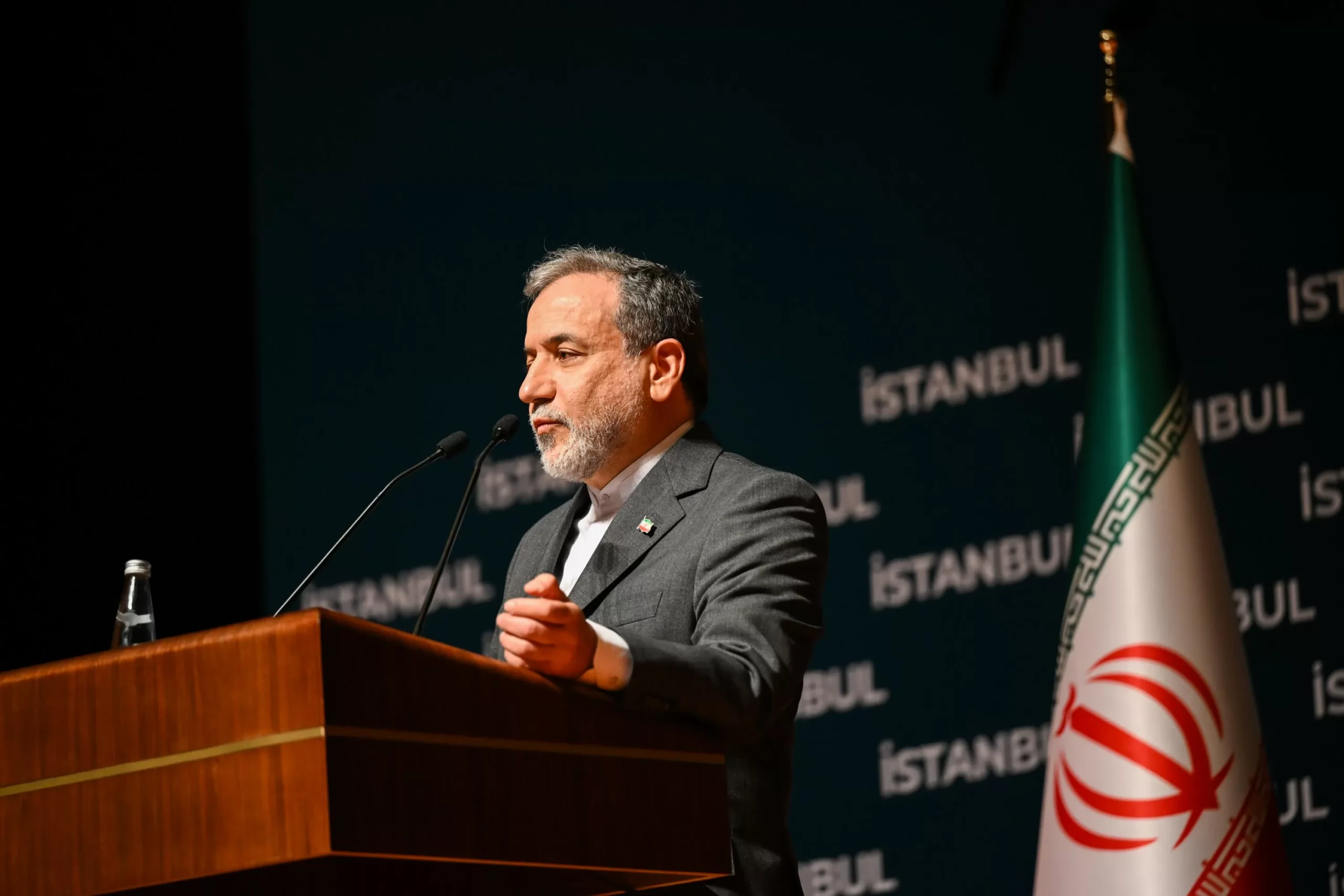
“We have not received any official invitation from the U.S. for talks, and even if we do, we will not accept it. Our stance on talks with the U.S. remains unchanged,” Khatibzadeh stated in a press conference on Thursday.
Iran’s firm stance on not entering into negotiations with the U.S. is rooted in the country’s belief that the U.S. has consistently violated its commitments under the 2015 nuclear deal, also known as the Joint Comprehensive Plan of Action (JCPOA). Despite Iran’s full compliance with the agreement, the U.S. unilaterally withdrew from the deal in 2018 and imposed harsh economic sanctions on the country.
Since then, Iran has been adamant about not engaging in any talks with the U.S. unless all sanctions are lifted and the U.S. returns to its commitments under the JCPOA. The recent conflict with Israel has only further solidified Iran’s stance, as the country believes that the U.S. is using the conflict as an excuse to push for negotiations.
The Iranian government has also accused the U.S. of exaggerating the effectiveness of its airstrikes on the country. The U.S. has claimed that its airstrikes have severely damaged Iran’s nuclear program and have set it back by years. However, Iran has dismissed these claims as mere propaganda and stated that its nuclear program remains intact.
“The U.S. is trying to create a false narrative of success to justify its actions. The truth is that the airstrikes have not caused any significant damage to our nuclear facilities,” Khatibzadeh asserted.
Iran’s denial of resuming talks with the U.S. comes as a disappointment for many who were hoping for a de-escalation of tensions between the two countries. However, Iran has made it clear that it will not be pressured into talks and will only consider negotiations if the U.S. takes concrete steps towards rejoining the JCPOA.
The Iranian government has also stated that any talks with the U.S. will only be possible if the U.S. shows genuine respect for Iran’s sovereignty and adheres to international laws. The country has made it clear that it will not back down from its demands and will continue to stand strong against any external pressure.
In the midst of ongoing conflicts and tensions, Iran’s steadfastness and unwavering stance on not engaging in talks with the U.S. is commendable. The country’s refusal to be coerced into negotiations is a testament to its strong leadership and its commitment to protecting its national interests.
As the world watches the situation in the Middle East unfold, it is crucial to remember that Iran’s ultimate goal is to maintain peace and stability in the region. The country has repeatedly expressed its willingness to engage in diplomatic solutions to resolve disputes, but it will not be bullied into negotiations.
In conclusion, Iran’s denial of resuming talks with the U.S. is a clear message to the world that the country will not compromise on its principles and will stand firm in the face of external pressures. As a nation, Iran remains committed to upholding its sovereignty and protecting its national interests, and will not be swayed by false promises or propaganda. It is time for the international community to respect Iran’s stance and work towards finding a peaceful resolution to the ongoing conflicts in the region.