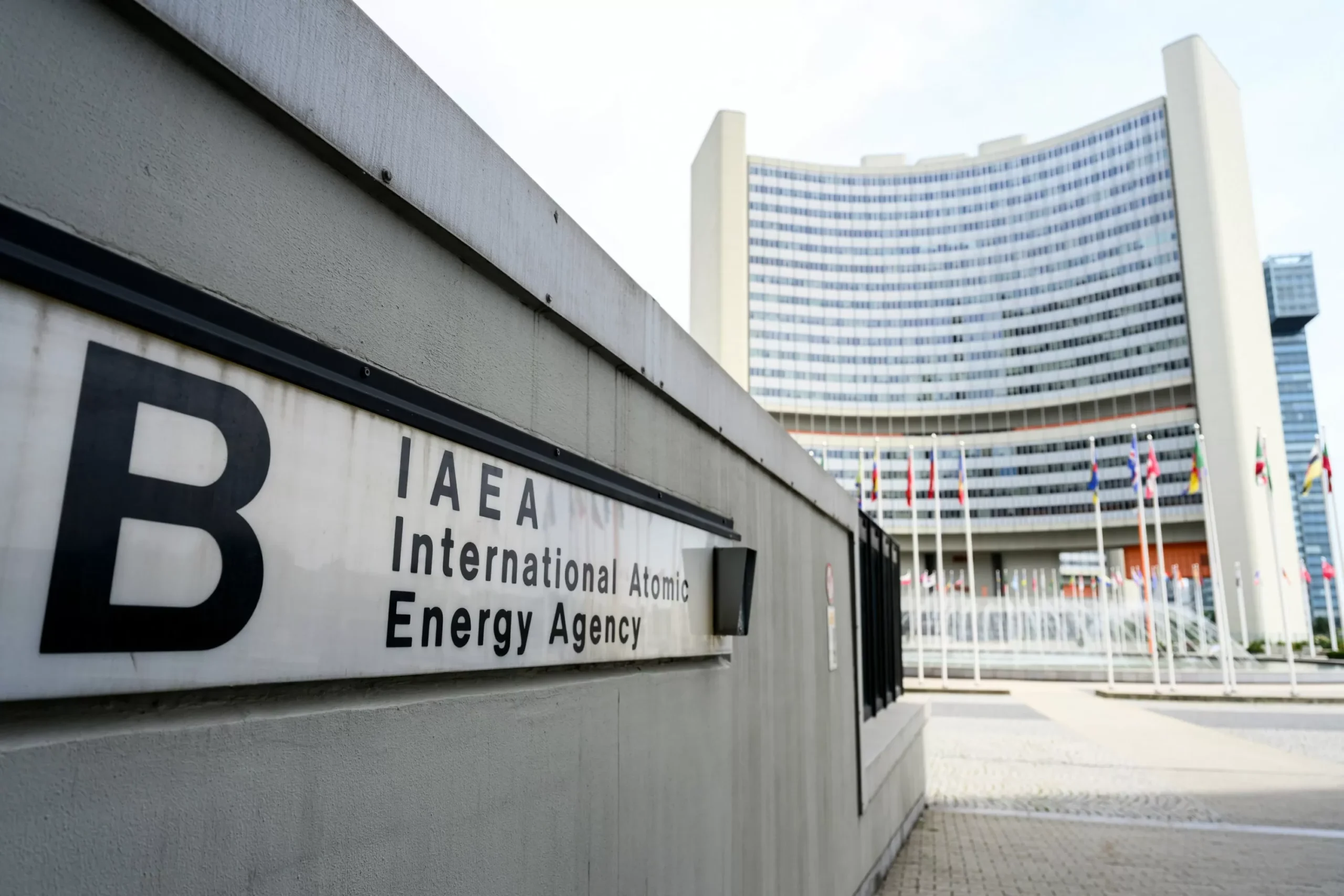
Iran has been at the center of international attention for its nuclear program for many years. On Wednesday, the country formally announced that it would no longer cooperate with the U.N. nuclear watchdog, the International Atomic Energy Agency (IAEA). This decision comes in the wake of unprecedented Israeli and U.S. strikes on its nuclear facilities, which have further escalated tensions in the region.
The conflict between Iran and the U.S. and Israel has been ongoing for decades, with both sides accusing each other of aggression and destabilizing the Middle East. The recent strikes on Iran’s nuclear facilities have only added fuel to the fire, with the country vowing to retaliate and take a stronger stance against its enemies.
The decision to halt cooperation with the IAEA is a significant move by Iran and has raised concerns among the international community. The IAEA is responsible for monitoring and verifying Iran’s compliance with the 2015 nuclear deal, which was signed by Iran and six world powers. This deal aimed to limit Iran’s nuclear activities in exchange for the lifting of economic sanctions.
Iran’s decision to stop cooperating with the IAEA is a clear indication that the country is no longer willing to abide by the terms of the nuclear deal. This move has been met with criticism from the U.S. and its allies, who see it as a step towards developing nuclear weapons.
However, Iran has stated that its decision is a response to the recent attacks on its nuclear facilities, which it claims were carried out by Israel and the U.S. These strikes have not only caused damage to the country’s nuclear program but have also resulted in the death of several Iranian scientists.
In a statement, Iran’s foreign ministry said, “The Islamic Republic of Iran has decided to stop implementing voluntary transparency measures under the Additional Protocol to the Non-Proliferation Treaty (NPT). This decision is in line with the strategic law passed by the Iranian parliament, which requires the government to take further steps in response to the illegal actions of the U.S. and its allies.”
The Additional Protocol is an agreement that gives the IAEA enhanced access to Iran’s nuclear facilities and allows for more intrusive inspections. By halting its implementation, Iran is limiting the IAEA’s ability to monitor its nuclear activities, which could further complicate the situation.
Iran’s decision has also been met with concern from the European countries who are part of the nuclear deal. The European Union’s foreign policy chief, Josep Borrell, stated that the move was a “worrying development” and urged Iran to reconsider.
The U.S. has also condemned Iran’s decision, with Secretary of State Antony Blinken saying, “We are disappointed by Iran’s steps to restrict IAEA monitoring and its refusal to engage in serious talks to find a diplomatic solution to its nuclear program.”
The situation between Iran and the U.S. and its allies has reached a critical point, with both sides taking aggressive actions that could potentially lead to further escalation. The U.S. and Israel have made it clear that they will not tolerate Iran’s nuclear ambitions, while Iran has vowed to defend itself against any attacks.
In this tense and volatile situation, it is crucial for all parties involved to exercise restraint and engage in meaningful dialogue to find a peaceful solution. The international community must also play a role in de-escalating the situation and preventing it from spiraling out of control.
Iran’s decision to halt cooperation with the IAEA is a cause for concern, but it is also a clear message to the U.S. and its allies that Iran will not back down in the face of aggression. It is now up to all parties involved to find a way to resolve this conflict and ensure stability in the region.
In the midst of these challenging times, it is important to remember that diplomacy and dialogue are the only ways to achieve lasting peace. Iran’s decision may be seen as a setback, but it should also serve as a wake-up call for all parties to come to the negotiating table and find a way to end this long-standing conflict. The world is watching, and we must all work towards a peaceful resolution for the sake of global security.