Iran’s Military Deployment of Naval Mines in Persian Gulf Raises Concerns for U.S.
Last month, tensions in the Persian Gulf reached a new level when Iran’s military was spotted loading naval mines onto boats in the region. This development has raised serious concerns for the United States, as it fears Iran may be preparing to blockade the Strait of Hormuz in response to Israeli strikes.
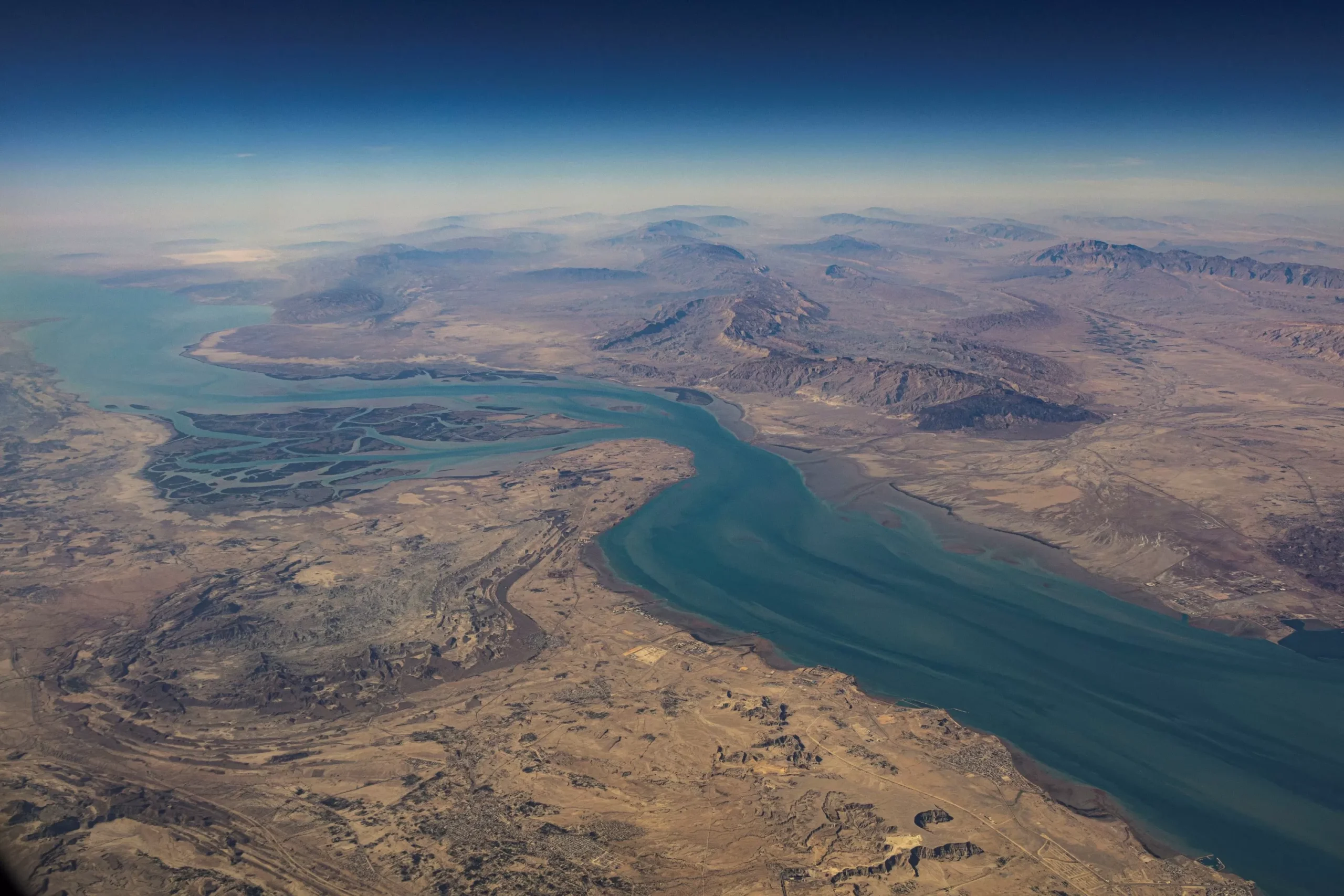
The Strait of Hormuz is a narrow waterway that connects the Persian Gulf with the Arabian Sea. It is a crucial route for global oil transportation, with nearly one-fifth of the world’s oil supply passing through it. Any disruption to the flow of oil through this strategic passage would have a significant impact on the global economy.
In recent years, the U.S. and its allies have been closely monitoring Iran’s activities in the region, particularly its naval capabilities. The deployment of naval mines by Iran’s military is seen as a provocative move, and it has only added to the already tense situation in the Persian Gulf.
The U.S. has accused Iran of using mines as a means to disrupt international shipping and threaten the safety of vessels passing through the Strait of Hormuz. This is not the first time that Iran has been accused of such actions. In 2019, the U.S. Navy released a video showing Iranian forces removing an unexploded limpet mine from a Japanese-owned oil tanker in the Gulf of Oman. The incident heightened tensions between the two countries and raised concerns about the safety of commercial vessels in the region.
The recent deployment of naval mines by Iran’s military has also drawn the attention of other international players. The European Union has expressed its concern over the potential threat to maritime security in the Persian Gulf, and has called for all parties to exercise restraint and avoid any actions that could escalate tensions.
Iran has denied any intention to block the Strait of Hormuz, stating that its military drills are routine and aimed at protecting its territorial waters. However, the U.S. remains unconvinced and has warned Iran against any provocative actions that could lead to a military confrontation.
The deployment of naval mines by Iran’s military is a clear indication of the country’s growing naval capabilities. In recent years, Iran has invested heavily in its naval forces, including the acquisition of advanced weaponry and the development of new naval vessels. This has raised concerns among its neighbors and the U.S., who see it as a potential threat to regional stability.
However, Iran maintains that its military buildup is solely for defensive purposes and to protect its national interests. The country has faced numerous security threats in the past, and it sees a strong naval presence as a crucial component of its defense strategy.
Despite the tensions in the Persian Gulf, there have been efforts to ease the situation and prevent any further escalation. The U.S. and Iran have engaged in indirect talks through European intermediaries, with the aim of reviving the 2015 nuclear deal. The deal, which aimed to limit Iran’s nuclear program in exchange for sanctions relief, was abandoned by the U.S. in 2018, leading to increased tensions between the two countries.
The recent deployment of naval mines by Iran’s military has highlighted the need for a peaceful resolution to the ongoing conflicts in the region. The U.S. and its allies must continue to engage in dialogue with Iran to address their concerns and find a way to de-escalate tensions.
In conclusion, the deployment of naval mines by Iran’s military in the Persian Gulf has raised serious concerns for the U.S. and its allies. The potential threat to maritime security and the global economy cannot be ignored. It is crucial for all parties to exercise restraint and work towards finding a peaceful resolution to the ongoing conflicts in the region. The world is watching, and it is in the best interest of all involved to avoid any actions that could lead to a dangerous and destructive outcome.