U.N. Envoy on Palestinian Rights Condemns U.S. Sanctions as Violation of Diplomatic Immunity
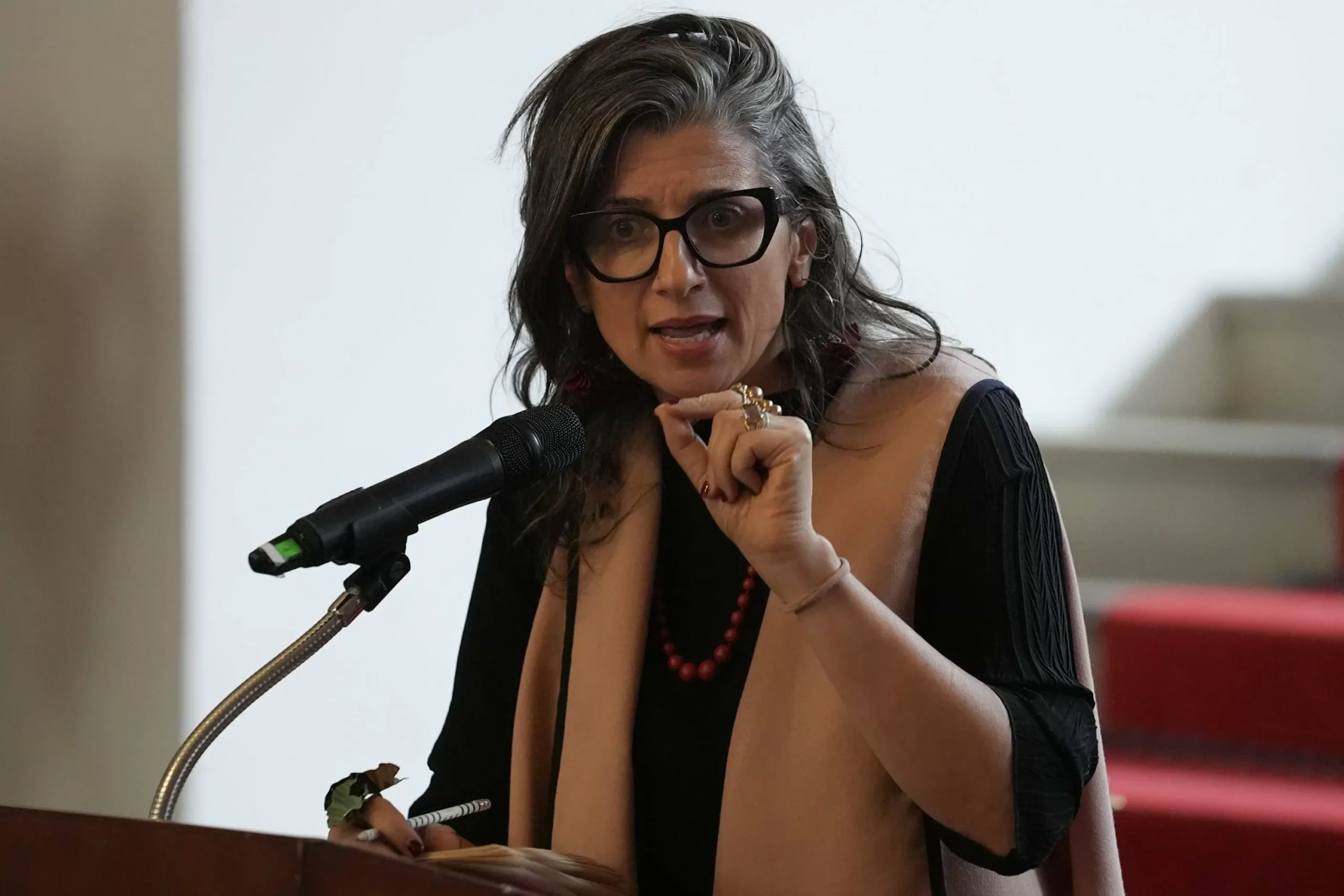
Francesca Albanese, the United Nations envoy on Palestinian rights, has spoken out against the recent U.S. sanctions imposed on her after she criticized Washington’s Gaza policy. In a statement released on Tuesday, Albanese stated that the sanctions are a clear violation of her diplomatic immunity and called for their immediate removal.
The U.S. sanctions were imposed on Albanese after she made comments criticizing the U.S. for its handling of the ongoing conflict in Gaza. In her statement, Albanese expressed her concern for the Palestinian people and their right to self-determination. She also called for an end to the violence and for the U.S. to take a more active role in finding a peaceful resolution to the conflict.
However, instead of addressing the issues raised by Albanese, the U.S. government chose to retaliate by imposing sanctions on her. These sanctions include a travel ban and the freezing of her assets in the U.S. In response, Albanese has strongly condemned these actions, stating that they are a clear violation of her diplomatic immunity and a direct attack on her role as a U.N. envoy.
Albanese’s role as a U.N. envoy is to promote and protect the rights of the Palestinian people. She is tasked with monitoring the human rights situation in the occupied Palestinian territories and reporting her findings to the U.N. Human Rights Council. By imposing sanctions on her, the U.S. is not only hindering her ability to fulfill her duties, but also sending a dangerous message that it will not tolerate any criticism of its policies.
The U.N. envoy has also pointed out that the sanctions are in direct violation of the 1946 Convention on the Privileges and Immunities of the United Nations, which grants diplomatic immunity to all U.N. officials. This convention was created to ensure that U.N. officials can carry out their duties without fear of reprisal from member states. The U.S. sanctions against Albanese are a clear violation of this convention and set a dangerous precedent for the treatment of U.N. officials in the future.
Albanese’s statement has been met with support from the international community, with many countries and organizations condemning the U.S. sanctions and calling for their immediate removal. The European Union has also expressed its concern over the situation and has called on the U.S. to respect the diplomatic immunity of U.N. officials.
The U.N. envoy’s statement has once again brought attention to the ongoing conflict in Gaza and the need for a peaceful resolution. It is crucial for the U.S. to listen to the concerns raised by Albanese and take a more active role in finding a solution to the conflict. The sanctions imposed on her only serve to further escalate tensions and hinder the efforts towards peace.
In conclusion, the U.S. sanctions against U.N. envoy Francesca Albanese are a clear violation of her diplomatic immunity and a direct attack on her role as a U.N. official. The international community must stand in solidarity with Albanese and call for the immediate removal of these sanctions. It is time for the U.S. to listen to the concerns of the international community and take steps towards finding a peaceful resolution to the conflict in Gaza.