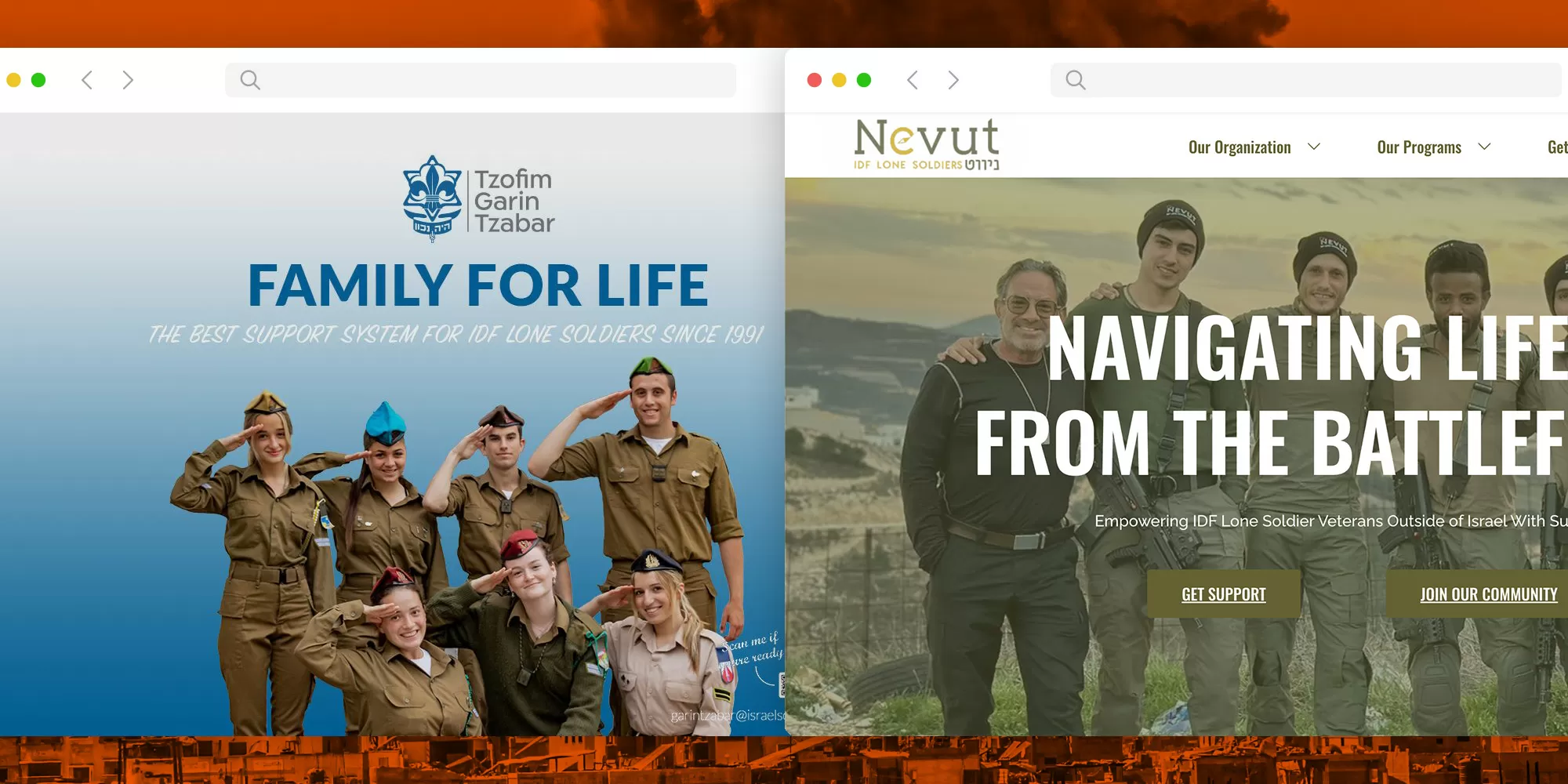
In recent years, there has been a growing trend of American teens joining lone soldier programs to provide reinforcements to the Israeli military during its ongoing conflict in Gaza. These programs, run by various non-profit organizations, have been receiving millions of dollars in funding from the United States, raising questions about the role of American youth in the Israeli-Palestinian conflict.
The concept of lone soldiers is not a new one. In fact, it has been a part of Israeli military culture for decades, with thousands of young Jews from around the world enlisting in the Israeli Defense Forces (IDF) every year. However, the recent surge in American teens joining these programs has sparked controversy and raised concerns about the ethics of such recruitment.
The idea of sending young, inexperienced individuals to a war zone may seem alarming to some. However, these lone soldier programs are not just about sending American teens to fight in a foreign conflict. They also provide an opportunity for these young individuals to connect with their Jewish roots and gain a deeper understanding of Israel’s history and culture.
One of the main organizations behind these programs is the Friends of the IDF (FIDF), a U.S.-based non-profit that raises funds for the Israeli military. In 2019 alone, the FIDF raised over $130 million, with a significant portion of it going towards supporting lone soldier programs. This funding has allowed the IDF to recruit and train more American teens, providing much-needed reinforcements to their forces.
But why are American teens joining these programs in the first place? For many, it is a way to connect with their Jewish identity and show their support for Israel. Growing up in the United States, these teens have often been exposed to a biased and one-sided narrative about the Israeli-Palestinian conflict. By joining the IDF, they are able to see the situation on the ground and form their own opinions based on first-hand experiences.
Moreover, these lone soldier programs offer a unique opportunity for American teens to serve a cause greater than themselves. Many of these young individuals come from privileged backgrounds and have never faced any real challenges in their lives. By joining the IDF, they are able to push themselves out of their comfort zones and make a meaningful contribution to a country that holds a special place in their hearts.
But perhaps the most significant aspect of these programs is the bond that is formed between the lone soldiers and their Israeli counterparts. Despite coming from different backgrounds and cultures, these young individuals share a common goal and work together to protect their homeland. This camaraderie and sense of purpose can be life-changing for many of these teens, who often form lifelong friendships with their fellow soldiers.
However, it is important to acknowledge that these lone soldier programs do come with their own set of challenges. Being away from their families and living in a war zone can take a toll on the mental and emotional well-being of these young individuals. That is why it is crucial for these programs to have proper support systems in place to ensure the safety and well-being of the lone soldiers.
In conclusion, the lone soldier programs that recruit American teens to provide reinforcements to the Israeli military during its ongoing conflict in Gaza may be controversial, but they also serve a greater purpose. These programs not only offer an opportunity for young individuals to connect with their Jewish identity and serve a cause greater than themselves, but they also foster a sense of camaraderie and understanding between different cultures. With proper support and guidance, these lone soldiers can make a meaningful contribution to the Israeli military and gain a deeper understanding of the complex situation in the region.