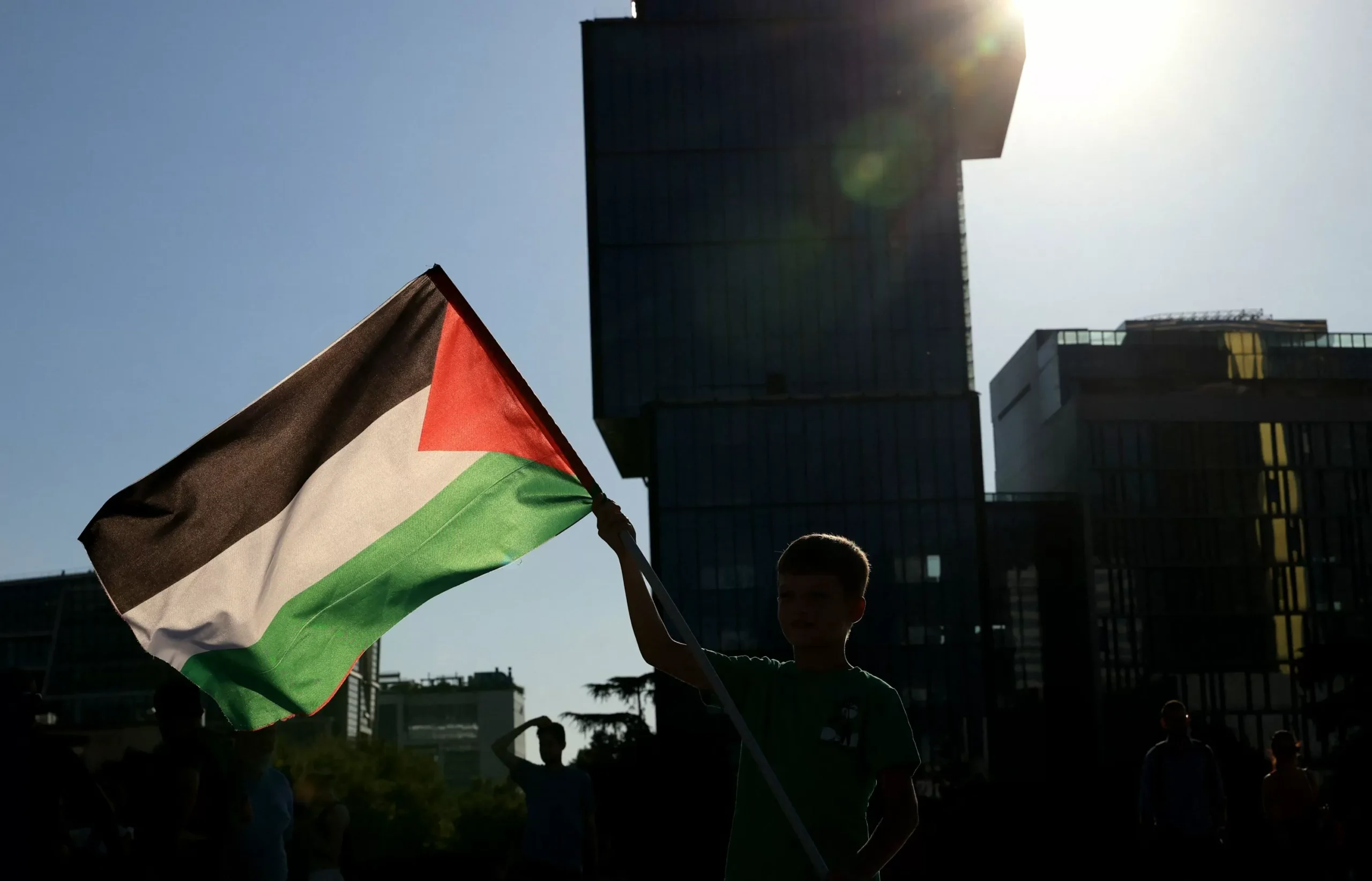
Portugal, a small but influential country in Europe, is making a significant decision that could have a global impact. Its Prime Minister, Luis Montenegro, has announced that his office will consider recognizing the State of Palestine at the United Nations in September. This decision is being closely watched by many countries, as it has the potential to shape the future of the Israeli-Palestinian conflict and the quest for a lasting peace in the region.
The announcement by Prime Minister Montenegro’s office comes after similar moves by other European nations, such as France and Britain, who have also signaled their intention to recognize the State of Palestine. This move has been long-awaited by the Palestinian Authority, who have been seeking international recognition and support for their goal of an independent state.
The State of Palestine, which currently exists as a non-member observer state at the United Nations, has been seeking full recognition and membership at the international organization. This move has been met with resistance from Israel and its allies, who argue that recognition of Palestine should only come through negotiations with Israel.
However, with the ongoing conflict and stalemate in the peace process, many countries are beginning to question this approach. The international community has been increasingly vocal in its support for the Palestinian cause and their right to self-determination. This sentiment was echoed by Prime Minister Montenegro, who stated that “Portugal believes in a two-state solution and recognizes the right of the Palestinian people to have their own state.”
The decision to consider recognizing the State of Palestine at the United Nations is a bold move by Portugal. It shows the country’s commitment to promoting peace and stability in the Middle East and standing up for the rights of the Palestinian people. This decision is also a reflection of the growing sentiment among European countries that the Israeli-Palestinian conflict needs to be addressed with urgency and determination.
Portugal’s potential recognition of Palestine at the United Nations is a significant step in the right direction. It will send a strong message to the international community that the time for action is now. The Palestinian people have suffered for far too long, and it is time for the world to come together and support their legitimate aspirations for statehood.
Furthermore, this move by Portugal could also have a ripple effect, encouraging other countries to follow suit and recognize the State of Palestine. It could also put pressure on Israel to resume meaningful negotiations and work towards a lasting peace agreement.
However, Portugal’s decision is not without its critics. Some argue that recognition of Palestine at the United Nations will not bring about any meaningful change on the ground and could even harm the peace process. But Prime Minister Montenegro’s office has assured that the decision will be taken after careful consideration of all factors and in consultation with its partners and allies.
In the end, the recognition of the State of Palestine at the United Nations is a moral and ethical obligation. It is a step towards justice and the righting of historic wrongs. Portugal has always been a champion of human rights and has a long history of supporting oppressed peoples. Its potential recognition of Palestine at the United Nations is a testament to its values and principles.
In conclusion, Portugal’s decision to consider recognizing the State of Palestine at the United Nations in September is a positive and encouraging step towards peace and justice in the Middle East. It is a bold move that reflects the country’s commitment to upholding international law and promoting the rights of all peoples. Let us hope that other countries will follow in Portugal’s footsteps and join the growing chorus of voices calling for an independent and sovereign State of Palestine.