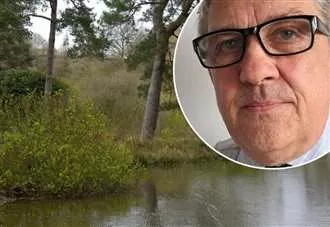
Southern England’s chalk streams are a sight to behold. These beautiful, crystal-clear waterways are home to an abundance of wildlife and are a haven for anglers and nature enthusiasts alike. But unfortunately, these precious ecosystems are facing a grim reality – they are dying.
As an environmental journalist, it is my duty to bring this urgent issue to the forefront. The once vibrant and thriving chalk streams of Southern England are now in a state of decline, and it is up to us to take action before it’s too late.
One of the main reasons for this decline is pollution. The increase in urbanization and agricultural practices in the surrounding areas have led to a high level of pollutants being discharged into the streams. These pollutants include fertilizers, pesticides, and sewage, which have devastating effects on the delicate balance of these waterways.
Not only is pollution damaging the water quality, but it is also causing the loss of important insect species, such as mayflies. These insects are an essential food source for fish and other aquatic creatures, and their disappearance has a ripple effect on the entire ecosystem. Without mayflies, the food chain is disrupted, leading to a decline in fish populations and other wildlife that rely on them for survival.
Overbuilding is another major threat to the chalk streams. The demand for housing and infrastructure is encroaching on these fragile ecosystems, destroying their natural habitats. The construction of dams and weirs has also altered the flow of the streams, making it difficult for fish to migrate and reproduce. This, combined with the decrease in water quality, has resulted in a significant decline in fish populations.
However, it’s not just pollution and overbuilding that are causing the decline of the chalk streams. Neglect and lack of proper management are also contributing factors. Many of these streams are privately owned, and the owners do not have the resources or knowledge to maintain them properly. As a result, the streams are left to suffer, and their health continues to deteriorate.
The consequences of the dying chalk streams are far-reaching. Not only do they impact the local environment and wildlife, but they also have a significant effect on the economy. These streams are a popular destination for recreational activities such as fishing, kayaking, and birdwatching. The decline in their health means a loss of income for local businesses and a decline in tourism.
The good news is that there is still time to save these precious waterways. The first step is to raise awareness about the issue and educate the public on the importance of preserving them. We must also hold those responsible for pollution and overbuilding accountable and demand stricter regulations to protect the chalk streams.
Proper management and restoration efforts are also crucial. Local organizations and government agencies must work together to implement measures to improve water quality, control pollution, and restore the natural habitats of these streams. This includes reducing the use of harmful chemicals in agriculture and implementing sustainable practices to reduce pollution.
Individual actions can also make a big difference. We can all do our part by reducing our carbon footprint, conserving water, and properly disposing of waste. Every little step counts towards preserving these precious waterways for future generations to enjoy.
The decline of Southern England’s chalk streams is a wake-up call for all of us. We must act now to protect these unique and vital ecosystems. Let’s not allow the beauty and life of these streams to vanish before our eyes. It’s time for us to come together and take action to save them.