EU Foreign Policy Chief Warns of Divisions Over Middle East, Urges Unity in Response to Gaza Attacks
The recent escalation of violence in the Middle East, particularly the ongoing attacks by Israel on Gaza, has once again brought to light the deep divisions within the European Union (EU) when it comes to foreign policy. And EU foreign policy chief Kaja Kallas has not shied away from addressing this issue, warning on Monday that the bloc’s credibility is at stake if it fails to present a united front in response to the crisis.
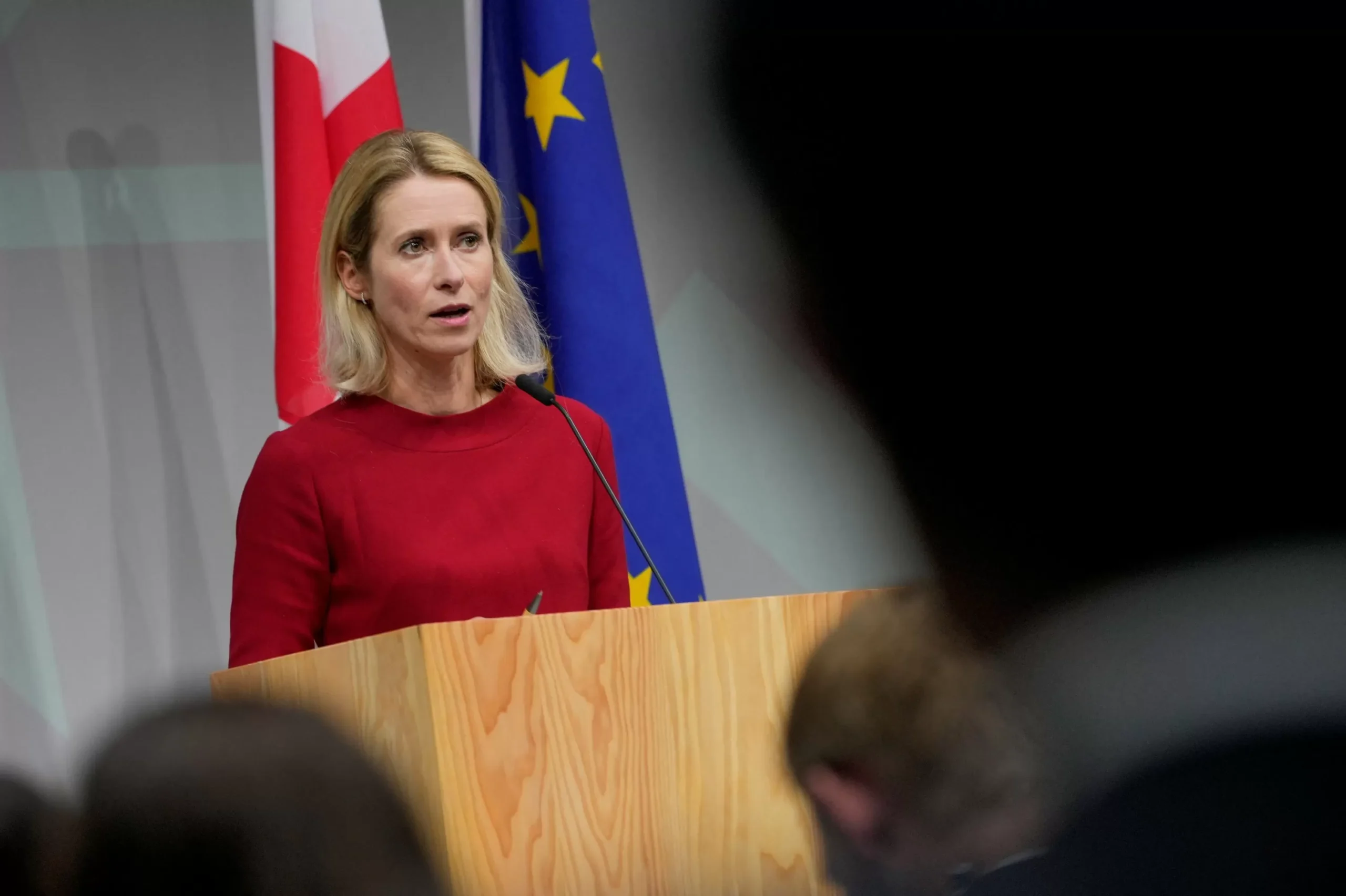
Speaking at a press conference in Brussels, Kallas emphasized the need for the EU to speak with one voice and take a unified stance on the situation in the Middle East. She stressed that the bloc’s credibility is undermined when its member states have conflicting views and fail to come to a common position on such a critical issue.
The EU has long been committed to promoting peace and stability in the Middle East and has played a crucial role in the region through its diplomatic efforts and humanitarian aid. However, the recent events in Gaza have once again highlighted the challenges the bloc faces in presenting a united front in its foreign policy.
The ongoing violence in Gaza, which has resulted in the deaths of hundreds of civilians, including children, has sparked outrage and condemnation from the international community. The EU has also expressed its deep concern over the situation and has called for an immediate ceasefire and a return to negotiations.
However, the EU’s response has been marred by divisions, with some member states calling for a stronger condemnation of Israel’s actions, while others have been more cautious in their approach. This lack of unity has not only weakened the EU’s position but has also hindered its ability to effectively address the crisis.
Kallas has urged the EU member states to put aside their differences and work towards a common goal of ending the violence and bringing about a lasting peace in the region. She emphasized that the EU must speak with one voice and present a united front in its engagement with all parties involved in the conflict.
The EU foreign policy chief also stressed the need for the bloc to use its diplomatic channels to engage with all stakeholders and push for a peaceful resolution to the crisis. She called on the EU to use its influence and leverage to bring all parties to the negotiating table and find a sustainable solution that respects the rights and dignity of all people in the region.
Kallas also highlighted the importance of providing humanitarian aid to the affected population in Gaza. The EU has already pledged significant financial assistance to support the people of Gaza, but Kallas emphasized the need for a coordinated and swift response to ensure that the aid reaches those in need.
In her address, Kallas also reiterated the EU’s commitment to a two-state solution, with Israel and Palestine living side by side in peace and security. She emphasized that the EU will continue to support all efforts towards achieving this goal and will work closely with its international partners to bring about a lasting and just peace in the region.
In conclusion, the recent events in the Middle East have once again highlighted the need for the EU to present a united front in its foreign policy. The bloc’s credibility is at stake, and it is imperative that its member states put aside their differences and work together towards a common goal of ending the violence and promoting peace and stability in the region. As Kallas rightly pointed out, the EU’s response to the crisis in Gaza will be a test of its credibility as a global player and its commitment to promoting peace and human rights. It is time for the EU to rise above its divisions and show the world that it is a strong and united force for good in the world.