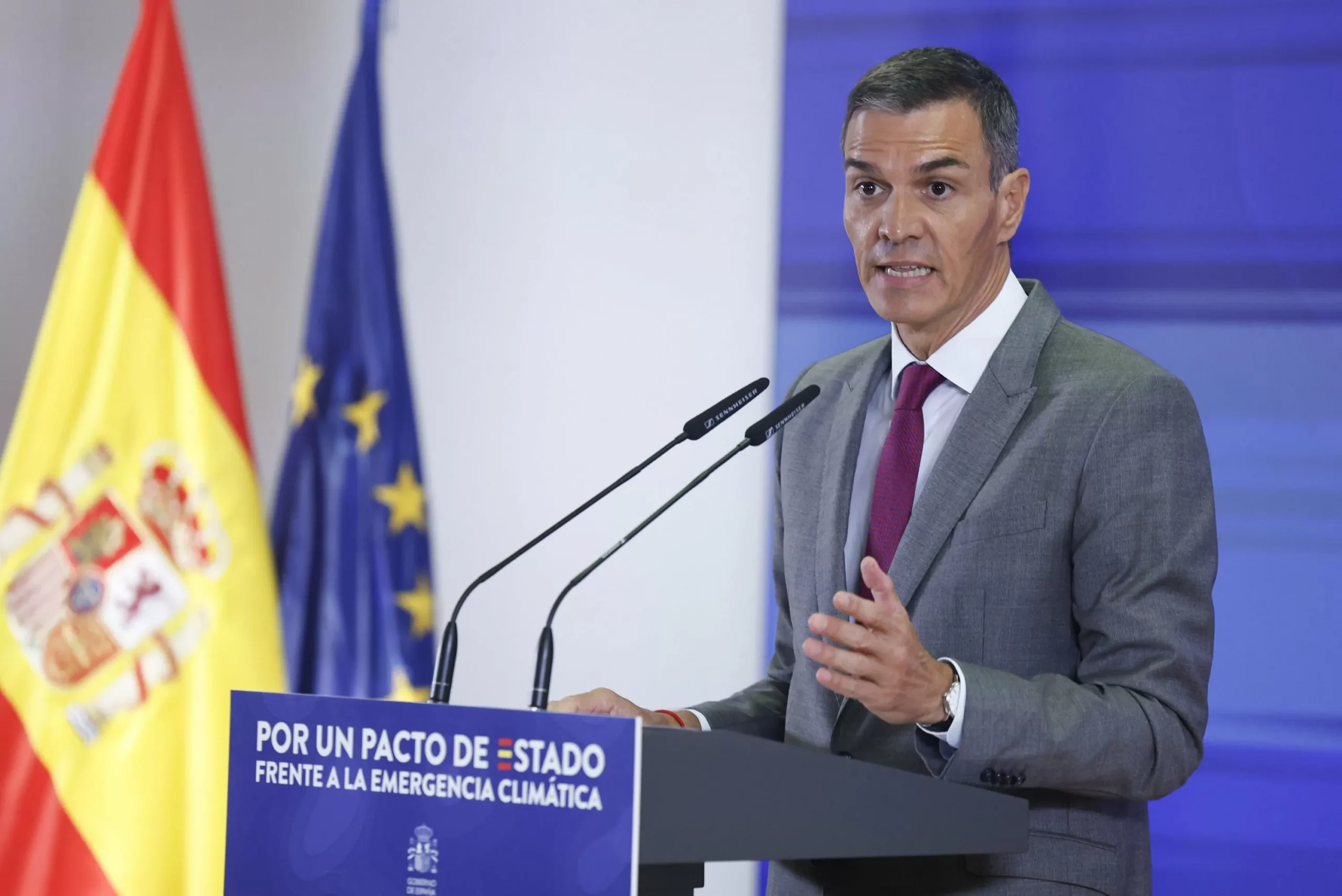
Spain’s Prime Minister Pedro Sanchez has expressed his disappointment and concern over Europe’s response to the recent flare-up of violence in Gaza, calling it a “failure” that could damage the bloc’s credibility on the world stage. As the leader of one of the major EU member states, Sanchez’s words carry weight and serve as a wake-up call for the rest of Europe to take action.
The conflict in Gaza has been ongoing for decades, but the recent escalation of violence has resulted in a devastating toll on innocent civilians. The world has watched in horror as images of destruction and loss of life flood our screens. As a union that prides itself on its values of peace, democracy, and respect for human rights, it is disheartening to see Europe’s response fall short in addressing this crisis.
Sanchez’s strong words come at a crucial time when the international community needs to step up and take responsibility for finding a peaceful and lasting solution to this conflict. Europe cannot afford to sit on the sidelines and watch as innocent lives are lost and the region further destabilized.
The Spanish Prime Minister’s criticism focuses on the lack of a united and decisive response from Europe. He emphasized the need for a swift and coordinated effort to halt the violence and provide humanitarian aid to the affected Palestinian population. Sanchez rightly pointed out that the EU’s credibility is at stake if it fails to act in the face of such a humanitarian crisis.
Beyond the moral imperative to protect innocent lives, there are significant geopolitical implications at play in the Gaza conflict. Europe’s failure to take a stand and actively engage in finding a solution only weakens its position on the global stage. At a time when the world’s attention is on the ongoing crisis in Gaza, Europe’s inaction raises questions about its ability to be a leader in international affairs.
Sanchez’s criticism serves as a reminder that the European Union was founded on the principles of solidarity and cooperation. It is time for Europe to live up to these values and come together to address the crisis in Gaza. The EU has a unique role to play in the region, and its influence can make a significant difference in resolving the conflict.
While the EU has provided some humanitarian aid and issued statements condemning the violence, it needs to do more. As Sanchez pointed out, there is a need for concrete actions and a coordinated effort to de-escalate the situation and bring about a lasting peace.
There are several avenues for the EU to take to address the crisis in Gaza. One of the most crucial steps is to use its diplomatic channels to engage with all parties involved and push for an immediate ceasefire. The EU also has a responsibility to ensure that humanitarian aid reaches the affected areas and help rebuild the shattered infrastructure in Gaza.
Moreover, the EU should use its economic influence to encourage both sides to come to the negotiating table and find a peaceful solution to the conflict. The union has a strong economic relationship with both Israel and Palestine, and it can use this leverage to facilitate dialogue and drive progress towards a lasting peace agreement.
It is also vital for the EU to work closely with its international partners, particularly the United States and the United Nations, to find a way forward in the region. Europe must take a more proactive and vocal role in the international community to resolve the crisis in Gaza.
In the face of such a devastating humanitarian crisis, Europe cannot afford to remain passive any longer. The words of Prime Minister Pedro Sanchez serve as a call to action for the EU to live up to its values and play a more active role in finding a solution to the Gaza conflict. The time to act is now, and Europe must show the world that it is committed to promoting peace, stability, and human rights around the globe.