

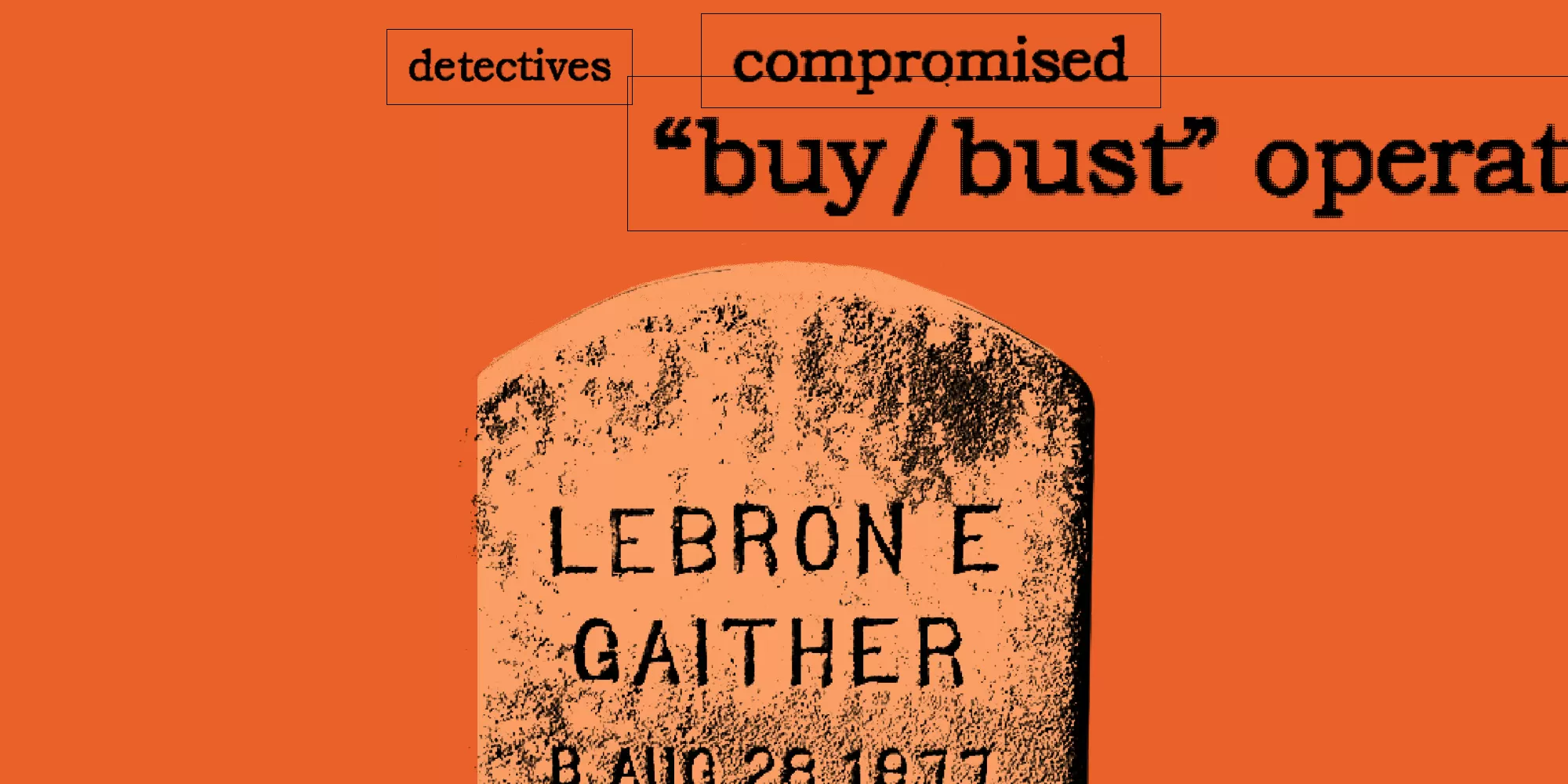
The use of confidential informants has long been a controversial practice in the criminal justice system. These individuals, often recruited by law enforcement at a young age, are tasked with gathering information on criminal activities in exchange for leniency in their own legal troubles. However, the story of LeBron Gaither, a young informant who was tragically killed by a drug dealer, sheds light on the darker side of this practice. In the eyes of the criminal system, informants like LeBron are seen as disposable pawns, easily discarded and forgotten.
LeBron Gaither was just 15 years old when he was recruited by the police to act as a confidential informant in his hometown of Lorain, Ohio. He was promised a fresh start and a chance to turn his life around, but little did he know the danger that awaited him. After being exposed as an informant, LeBron was brutally murdered by a drug dealer seeking revenge. His tragic death has sparked outrage and raised questions about the ethics of using young individuals as informants.
The criminal justice system often relies on confidential informants to gather crucial information and evidence in cases involving drug trafficking, organized crime, and other illegal activities. These informants, who often have a personal connection to the criminal world, are seen as valuable assets by law enforcement. They are promised reduced sentences, protection, and financial compensation in exchange for their cooperation. However, this system of incentives can also have dangerous consequences, as seen in LeBron’s case.
LeBron’s story is not unique. Many young individuals from marginalized communities are targeted by law enforcement to act as informants. These vulnerable children, often facing their own legal troubles, are easily lured in by promises of a better life. But what they are not told is the potential danger they are putting themselves in. They are not given proper training or protection, and once they are exposed as informants, they are left to fend for themselves.
What makes this situation even more disturbing is the lack of accountability on the part of law enforcement. In the eyes of the criminal system, informants like LeBron are disposable. They are seen as expendable pawns, easily replaced if they are killed or refuse to cooperate. The tragic death of LeBron highlights the disregard for the safety and well-being of these young individuals. They are used and discarded without a second thought.
The use of confidential informants raises serious ethical concerns. These individuals are often coerced into cooperation, and their safety is not a top priority for law enforcement. The criminal justice system needs to reevaluate its use of informants and put measures in place to protect them. This includes proper training, support, and resources for informants, as well as holding law enforcement accountable for any harm that comes to them.
Moreover, the reliance on confidential informants perpetuates a cycle of violence and exploitation. In order to maintain their status as informants, these individuals are required to continue associating with criminal elements. This not only puts them in danger but also perpetuates the very criminal activities the system is trying to combat. It is a vicious cycle that needs to be addressed.
In the aftermath of LeBron’s death, there have been calls for reform in the use of confidential informants. But these calls need to be met with concrete action. The criminal justice system must acknowledge the harm it has caused and take steps to prevent similar tragedies from occurring in the future. This includes providing support and resources for the families of informants who have been killed, as well as implementing stricter guidelines for the use of informants.
In conclusion, the case of LeBron Gaither sheds light on the disturbing reality of how confidential informants are viewed by the criminal system. These young individuals are seen as disposable, easily sacrificed for the sake of gathering information and building cases. It is time for the criminal justice system to take responsibility for the harm it has caused and make meaningful changes to protect the safety and well-being of all individuals, including those who are used as informants. No one should be deemed disposable in the pursuit of justice.



