

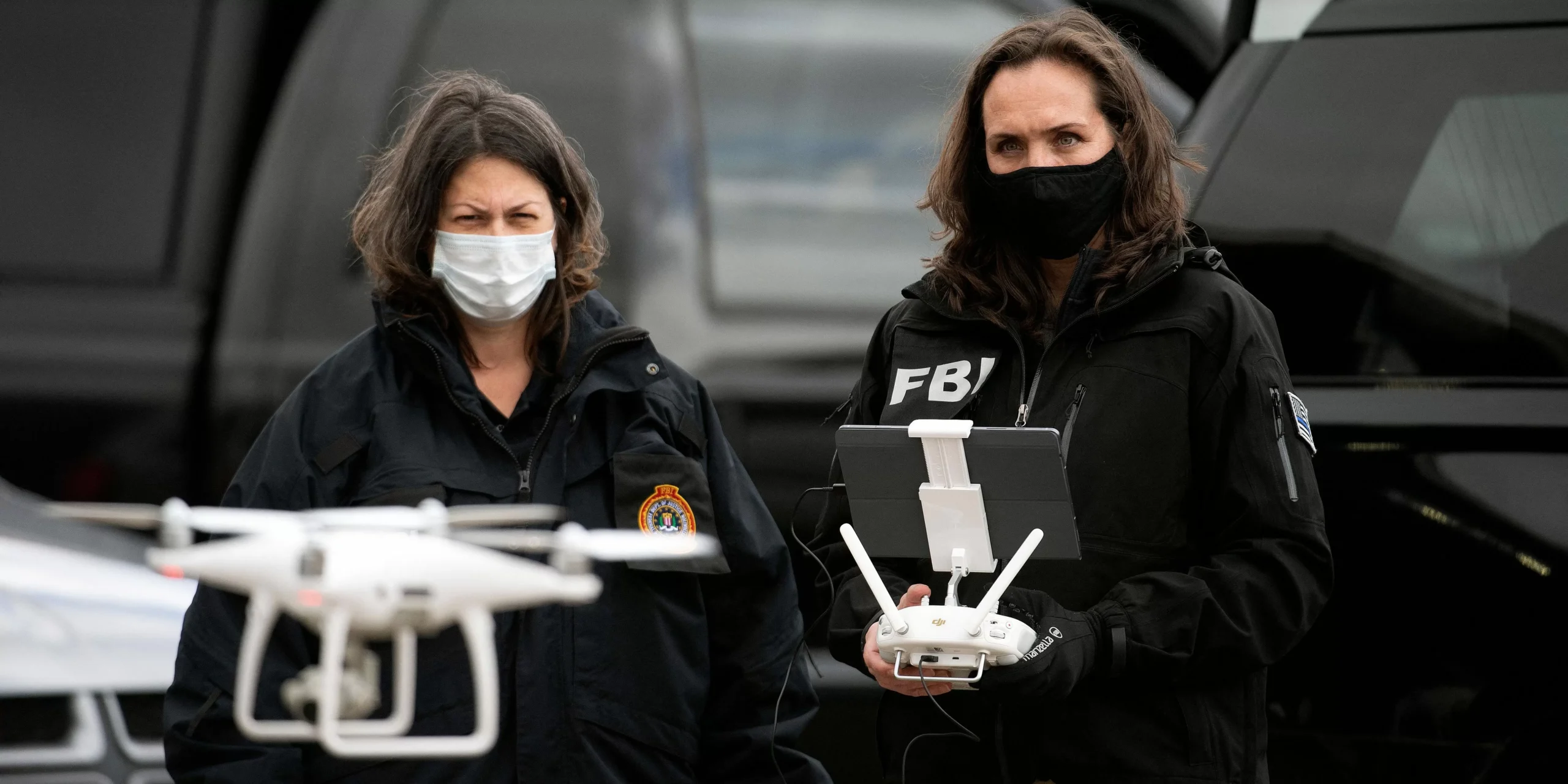
In today’s increasingly digital world, technology continues to advance at a rapid pace, bringing with it both remarkable opportunities and concerning implications. One recent development that has sparked heated debate and raised serious concerns is the Federal Bureau of Investigation’s (FBI) request for AI surveillance drones equipped with facial recognition technology. This procurement document has ignited fears of a crackdown on free speech and privacy as well as broader implications for the future of surveillance and law enforcement.
The FBI’s procurement document, which was recently obtained by The Intercept, reveals the bureau’s interest in acquiring drones equipped with artificial intelligence (AI) for surveillance purposes. According to the document, the drones would be equipped with advanced cameras and facial recognition software to allow for real-time identification of individuals. The request specifically mentions the need for “unobstructed, real-time video” and the ability to “identify moving targets in urban or crowded environments.” This has raised concerns that the drones would be used for mass surveillance, rather than targeted tracking of specific individuals.
The use of AI and facial recognition technology in surveillance is not new, but the scale and scope of the FBI’s request is unprecedented. The potential implications for privacy and civil liberties are significant, as the use of AI and facial recognition could allow for constant monitoring of individuals in public spaces. This raises questions about the right to privacy and the potential for abuse of power.
Additionally, there are concerns about the potential for these drones to be used to stifle free speech and political dissent. The AI and facial recognition technology could be used to identify and track individuals participating in protests or other peaceful demonstrations. This could have a chilling effect on freedom of speech and the right to peacefully assemble, two essential pillars of a democratic society.
Critics argue that the use of AI and facial recognition technology in surveillance is inherently flawed, as it can lead to false identifications and biased targeting of certain groups. Studies have shown that these technologies are more likely to misidentify people of color and women, perpetuating systemic discrimination and injustices.
The FBI, however, argues that the use of these drones would enhance public safety and help in the fight against crime and terrorism. The agency claims that the drones would only be used in accordance with the law and would be subject to strict oversight and safeguards. But given the history of government surveillance programs, these assurances may not be enough to alleviate concerns.
Beyond the potential implications for privacy and free speech, the FBI’s request also raises broader questions about the role of AI in law enforcement. As technology continues to advance, it is critical that we have transparent and ethical discussions about its role and limitations. Without proper regulation and oversight, the use of AI in law enforcement could have far-reaching consequences for society.
This is not the first time that the FBI’s use of technology has come under scrutiny. The agency’s use of facial recognition and other surveillance techniques has been criticized in the past for lacking transparency and accountability. This latest procurement request only adds to these concerns and highlights the urgent need for stronger safeguards.
Technological advancements such as AI and facial recognition have the potential to bring about numerous benefits and advancements. However, it is crucial that we also consider the potential risks and implications of these technologies, especially when it comes to surveillance and law enforcement.
In conclusion, the FBI’s request for AI surveillance drones with facial recognition technology has sparked legitimate concerns about the erosion of privacy, free speech and civil liberties. As a society, we must engage in open and transparent discussions about the use of AI and other technologies, and hold our governments accountable for their actions. Only then can we strike a delicate balance between security and liberty in the digital age.



