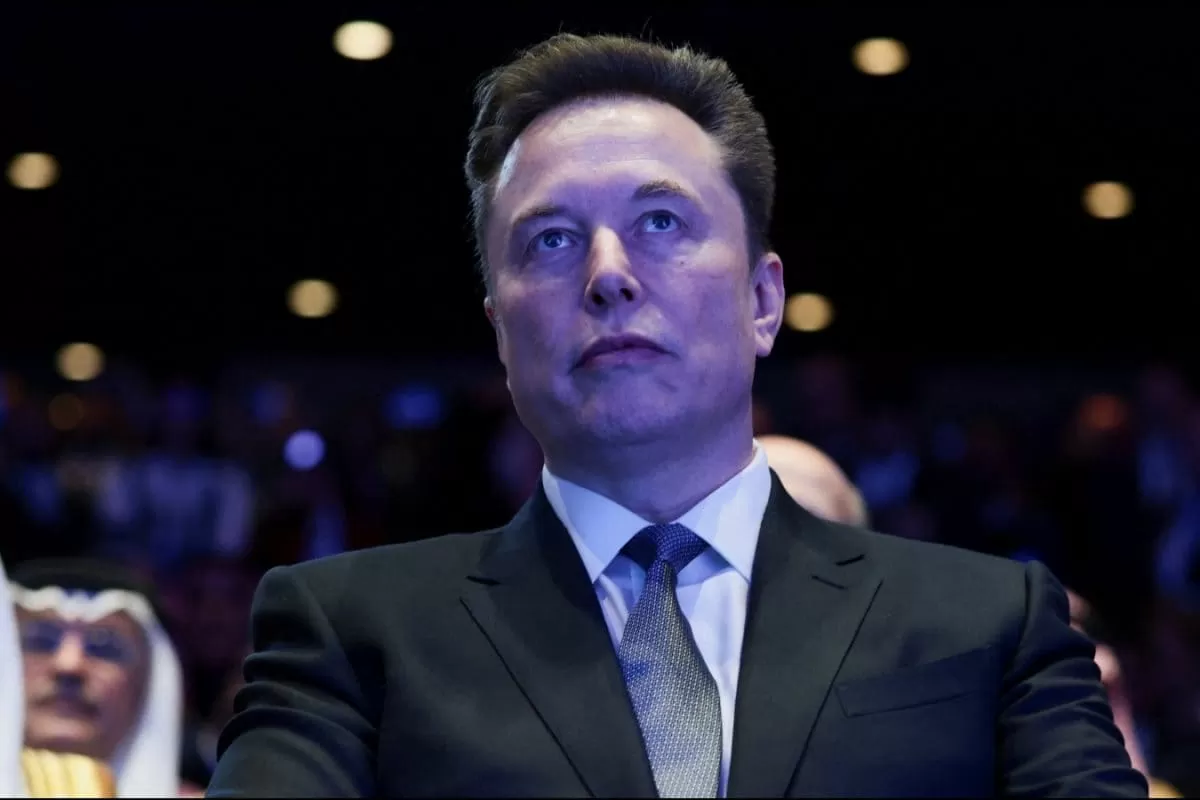
In recent years, the topic of automation has become increasingly prevalent in discussions surrounding the future of work. With the rapid advancements in technology, many have expressed concerns about the potential loss of jobs and the impact it may have on society. However, one visionary entrepreneur, Elon Musk, has a different perspective. He believes that automation will eventually reach a point where work becomes optional, money loses relevance, and societies enter an ‘age of abundance’ powered by AI and robots.
Musk, the CEO of Tesla and SpaceX, is known for his bold and innovative ideas. He has been at the forefront of technological advancements, from electric cars to space exploration. And now, he is turning his attention towards the potential of automation to transform our world.
In a recent interview, Musk shared his vision for the future, one where automation takes over the majority of mundane and repetitive tasks, freeing up humans to pursue more meaningful and creative endeavors. He believes that with the help of artificial intelligence and robots, we can achieve a level of productivity and efficiency that was previously unimaginable.
One of the key benefits of automation, according to Musk, is the elimination of the need for human labor. This may sound daunting to some, but Musk sees it as an opportunity for humans to focus on more fulfilling and purposeful activities. He envisions a world where people have the time and resources to pursue their passions and interests, rather than being tied down to a job for the sake of survival.
Moreover, Musk believes that as automation takes over more and more tasks, the concept of money will become obsolete. In his view, money is only relevant when there is scarcity. But with the abundance of resources that automation can provide, the need for money diminishes. This, in turn, can lead to a more equal and fair society, where everyone has access to the same resources and opportunities.
But how exactly will this ‘age of abundance’ be powered by AI and robots? Musk sees a future where robots and AI systems will be able to create and produce goods and services at an unprecedented rate. This will not only increase efficiency but also reduce costs, making these goods and services more accessible to everyone. In addition, automation can also lead to the development of new industries and job opportunities, such as the maintenance and development of AI and robots.
Of course, this vision of the future is not without its challenges. Musk acknowledges that there will be a period of transition, where jobs may be displaced and people may need to adapt to new ways of living and working. However, he believes that the benefits far outweigh the challenges and that it is up to us to prepare for this future and shape it in a positive way.
One of the key ways to prepare for this ‘age of abundance’ is through education. Musk emphasizes the importance of investing in education and training programs that will equip people with the skills needed for the jobs of the future. This includes not only technical skills but also critical thinking, problem-solving, and creativity.
In addition, Musk also believes in the importance of a universal basic income (UBI) to support individuals during the transition period. UBI is a system where every citizen receives a regular, unconditional sum of money from the government. This can provide a safety net for those whose jobs may be displaced by automation and allow them to have the time and resources to adapt and pursue new opportunities.
It is clear that Musk’s vision for the future is ambitious and may seem far-fetched to some. But it is also a reminder that the future is not set in stone, and we have the power to shape it in a positive way. Automation may bring about significant changes, but it also presents us with the opportunity to create a better and more prosperous world for everyone.
In conclusion, Musk’s belief in the potential of automation to bring about an ‘age of abundance’ is a refreshing and optimistic perspective on the future of work. It challenges us to think beyond the traditional notions of work and money and consider the possibilities that technology can bring. As we continue to witness the advancements in AI and robotics, let us not fear the future, but instead, embrace it with open minds and hearts, and work towards creating a better world for all.