In today’s digital age, social media has become a powerful tool for individuals to share their voices and perspectives with the world. However, this freedom of expression is not always guaranteed, especially when it comes to sensitive political issues. Recently, YouTube, one of the largest online platforms, has come under fire for deleting the account of journalist Robert Inlakesh, who covered the ongoing Israeli occupation of the West Bank. The reason? YouTube claimed that Inlakesh was an Iranian agent, sparking outrage and confusion among his followers and the media community.
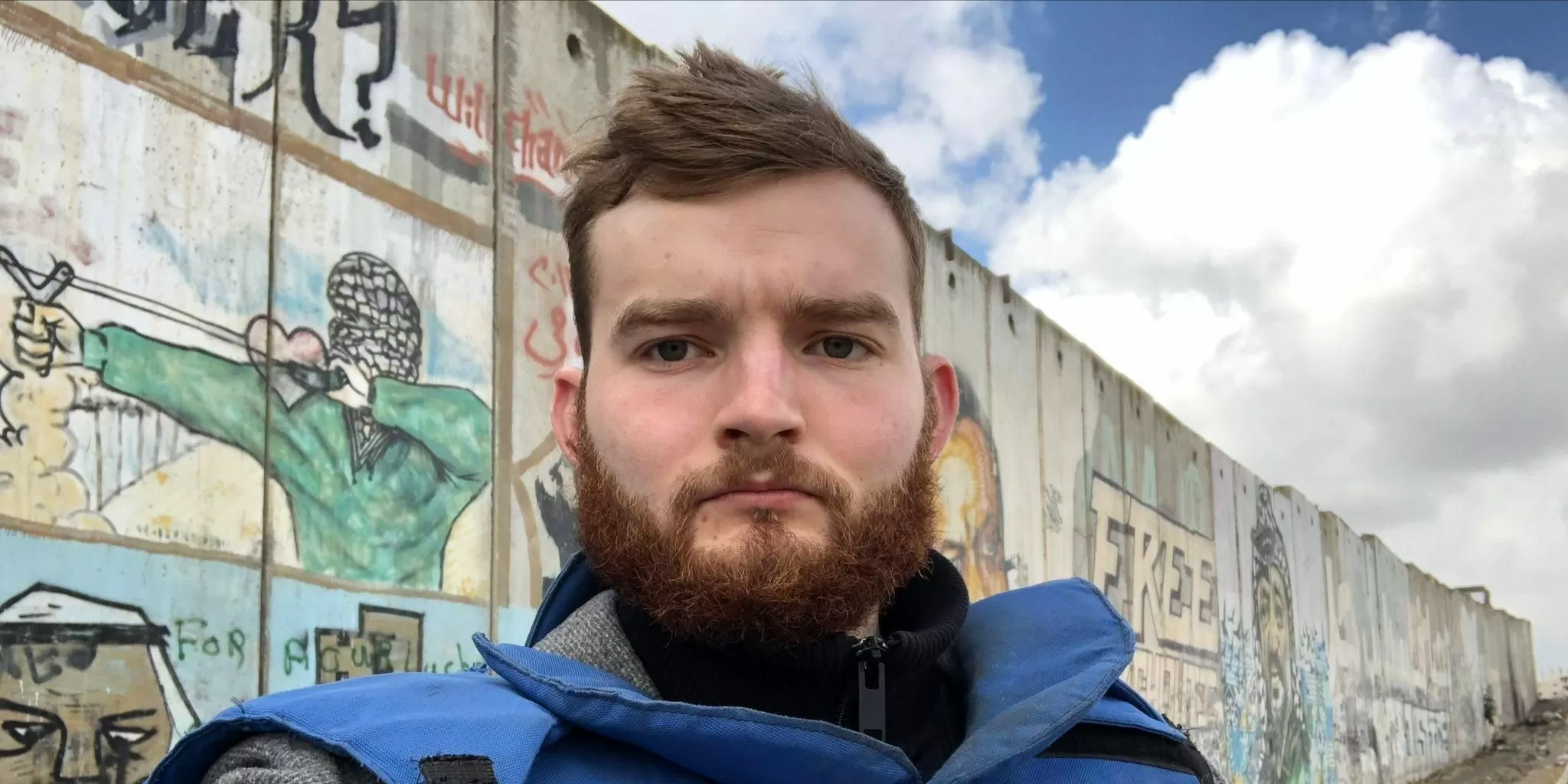
The incident began when Inlakesh’s YouTube account, which had over 100,000 subscribers, was suddenly deleted without warning or explanation. Inlakesh, who is a British journalist, filmmaker, and activist, had been reporting from Palestine for years, documenting the struggles and injustices faced by Palestinians living under Israeli occupation. His work has gained a large following, with many praising his unbiased and informative reporting on the conflict.
However, YouTube’s decision to delete his account came as a shock to many, especially considering the lack of evidence to support their claim that Inlakesh is an Iranian agent. In a statement to The Intercept, YouTube stated that Inlakesh’s account was removed due to “violations of our policies against spam, deceptive practices, and impersonation.” This vague explanation only added to the confusion surrounding the situation.
Inlakesh, on the other hand, believes that his account was targeted due to his coverage of the Israeli-Palestinian conflict. He points out that his account was not only deleted, but all of his videos, including those unrelated to the conflict, were also removed. This suggests that there may have been a deliberate attempt to silence his voice and prevent his message from reaching a wider audience.
The timing of this incident is also worth noting. It comes at a time when tensions between Israel and Iran are high, and the United States has been ramping up its rhetoric against Iran. This raises questions about whether YouTube’s decision was politically motivated, and if so, to what extent does censorship play a role in silencing voices that challenge the dominant narrative?
Inlakesh’s case is not an isolated incident. YouTube has been criticized in the past for its inconsistent and arbitrary enforcement of its policies. This has resulted in the deletion of numerous accounts, often without proper explanation or justification. In the case of Inlakesh, it appears that YouTube may have acted hastily without fully investigating the situation, leading to the wrongful deletion of his account.
The consequences of YouTube’s actions go beyond just silencing one journalist’s voice. It sets a dangerous precedent for the future of free speech and the ability of individuals to share their perspectives online. As social media continues to play a crucial role in shaping public opinion, it is imperative that platforms like YouTube uphold their responsibility to promote diverse voices and viewpoints, rather than censoring them.
In response to the backlash, YouTube has since reinstated Inlakesh’s account, claiming that it was a mistake and apologizing for the inconvenience caused. While this is a positive step, it does not address the underlying issue of censorship and the need for more transparency and consistency in the platform’s policies.
Inlakesh’s case highlights the importance of independent journalism, especially in conflict zones. It is crucial for the voices of those directly affected by these conflicts to be heard, and for the media to provide unbiased and accurate coverage. By deleting Inlakesh’s account, YouTube not only silenced his voice, but also the voices of those he was advocating for – the Palestinians living under occupation.
As we navigate through the complexities of the digital age, it is crucial for online platforms to uphold the values of free speech and promote diverse perspectives. Censoring voices that challenge the status quo not only goes against these values, but also hinders the progress towards a more informed and just society. It is time for platforms like YouTube to reevaluate their policies and ensure that they are not being used to silence voices that are speaking truth to power.