The United Nations has long been a beacon of hope for human rights and justice around the world. Its experts are tasked with monitoring and reporting on human rights violations, and their findings carry significant weight in the international community. So when the U.N. experts recently wrote blistering letters to five American universities about their crackdowns on Gaza protests, it sent shockwaves through the academic world.
The universities in question – Columbia, Fordham, Northeastern, University of North Carolina at Chapel Hill, and University of California, Berkeley – have all faced criticism for their handling of student protests in support of the Palestinian people. The U.N. experts, in their letters, expressed deep concern over the universities’ actions, which they deemed to be in violation of international human rights law.
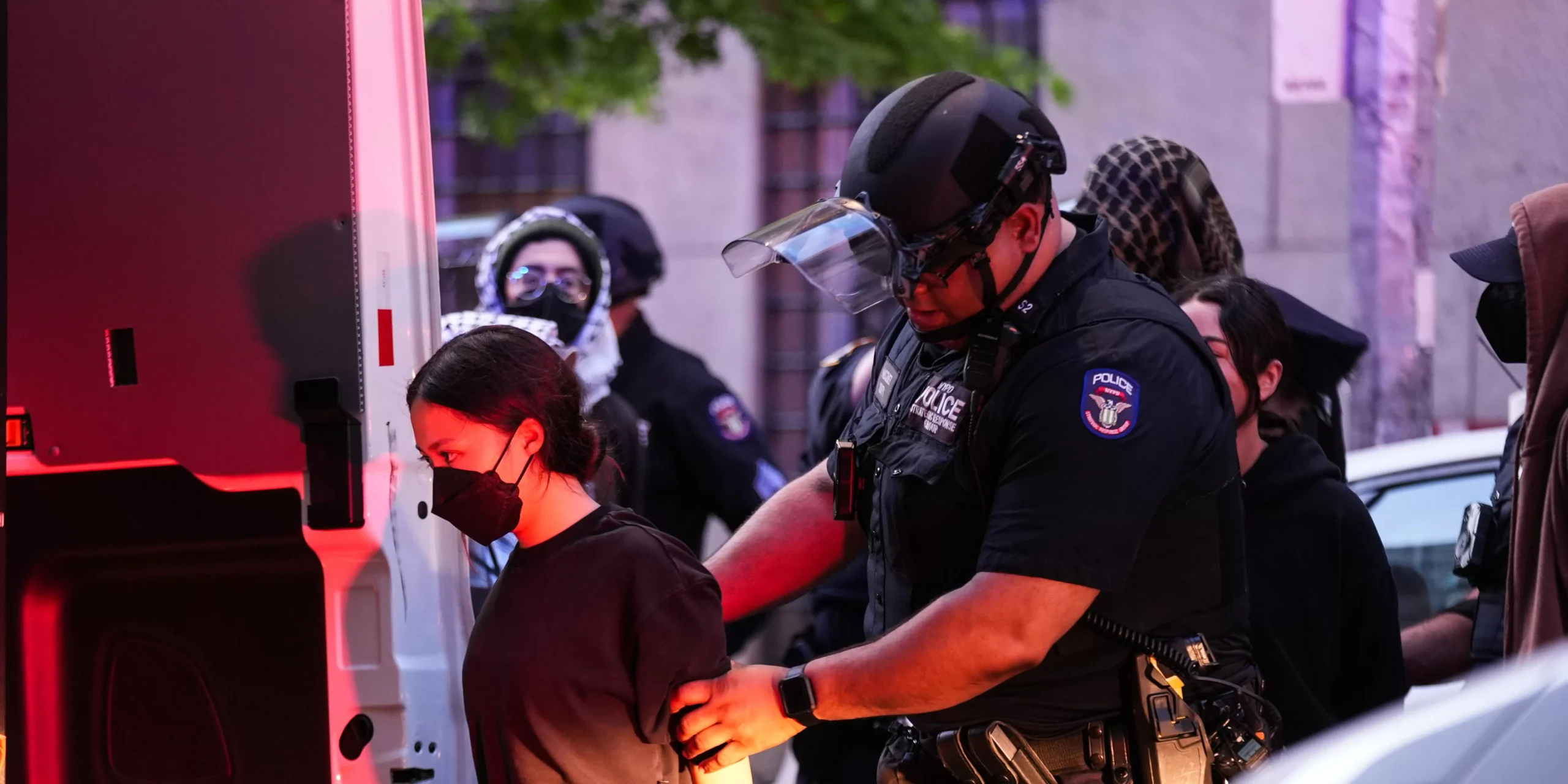
The experts specifically called out the use of excessive force by campus police, the targeting and punishment of student activists, and the suppression of free speech and peaceful assembly. They also highlighted the universities’ failure to uphold their obligations under the International Covenant on Civil and Political Rights, which guarantees the right to freedom of expression and peaceful assembly.
The U.N. experts’ letters come at a crucial time, as tensions continue to escalate in the occupied Palestinian territories. The recent violence in Gaza, which has claimed the lives of hundreds of Palestinians, has sparked widespread outrage and protests around the world. And yet, instead of allowing their students to express their solidarity with the Palestinian people, these universities have chosen to silence and punish them.
This is a clear violation of the fundamental principles of academic freedom and human rights. Universities are meant to be spaces for critical thinking, open dialogue, and the free exchange of ideas. By cracking down on student protests, these universities are not only failing to fulfill their duty to protect the rights of their students, but they are also undermining the very foundations of higher education.
The U.N. experts’ letters have brought much-needed attention to this issue and have put pressure on these universities to reassess their actions. It is heartening to see that some of the universities have already responded positively, with Columbia University announcing that it will be launching an independent investigation into the events surrounding the protests.
But more needs to be done. These universities must take concrete steps to ensure that the rights of their students are protected and that they are not punished for peacefully expressing their views. They must also review their policies and procedures to ensure that they are in line with international human rights standards.
Furthermore, it is imperative that these universities engage in meaningful dialogue with their students and the wider community to address the root causes of the protests. The ongoing occupation and blockade of Gaza, which has been condemned by the U.N. as a violation of international law, must be addressed and students must be allowed to voice their concerns and demand justice for the Palestinian people.
The U.N. experts’ letters have also highlighted the need for greater accountability and oversight of universities’ actions. It is unacceptable that these institutions, which are meant to be bastions of knowledge and progress, are engaging in human rights violations. The international community must hold them accountable and ensure that they uphold their obligations under international law.
In conclusion, the U.N. experts’ letters serve as a wake-up call to these universities and the wider academic community. It is time for them to take a stand for human rights and justice, and to fulfill their duty to protect the rights of their students. The world is watching, and it is our collective responsibility to ensure that the voices of the oppressed are not silenced, but amplified. As the U.N. experts have reminded us, “the right to protest is a cornerstone of democracy and should be protected, not criminalized.” Let us work together to ensure that this fundamental right is upheld and respected by all.