

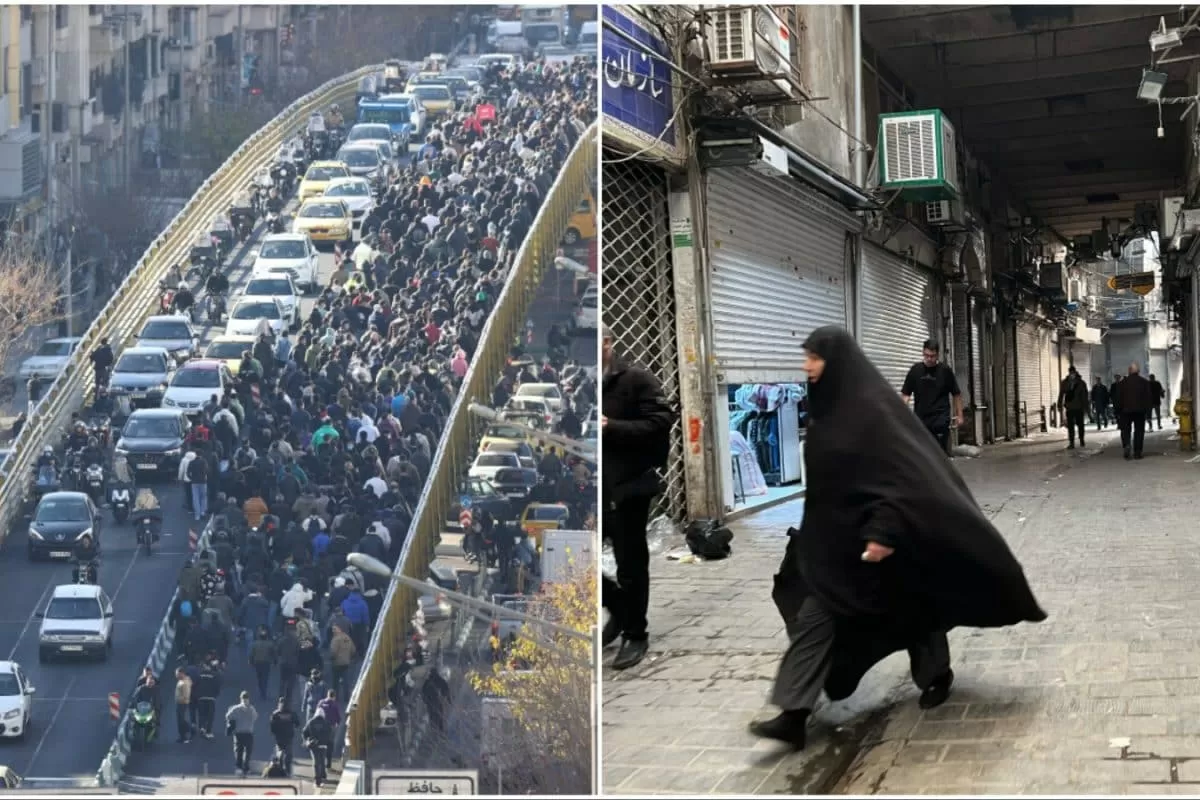
Iran has been facing widespread protests over the past few days, with citizens expressing their grievances over economic struggles and political issues. In response, the Iranian government has imposed a nationwide internet blackout, leaving its citizens in a state of uncertainty and fear.
According to reports, at least 42 people have lost their lives in the ongoing protests, with many more injured and arrested. The situation has escalated quickly, with protesters setting fire to buildings and blocking roads in major cities such as Tehran, Shiraz, and Isfahan.
The internet blackout has further intensified the situation, as it has cut off communication and access to information for the Iranian people. This move by the government has been met with widespread criticism from human rights groups and activists, who see it as a violation of basic rights and an attempt to suppress the voices of the people.
The protests were initially sparked by a sudden increase in fuel prices, which have more than tripled overnight. This decision by the government has put a strain on the already struggling economy and has caused widespread anger among the citizens. The cost of living has been steadily rising in Iran, making it difficult for the average citizen to make ends meet.
However, the protests have now evolved into a larger movement, with people voicing their frustrations over a range of issues such as corruption, unemployment, and the government’s handling of the economy. The people of Iran are demanding change and are using these protests as a platform to make their voices heard.
The government’s response to these protests has been harsh and oppressive, with reports of security forces using excessive force against peaceful protesters. This has led to a significant number of casualties, including innocent civilians who were caught in the crossfire.
The internet blackout has made it difficult for the world to witness the reality of what is happening in Iran. It has also made it challenging for citizens to stay connected and informed about the ongoing situation. This move by the government is a clear attempt to suppress the protests and prevent them from spreading further.
The Iranian government has defended the internet blackout, stating that it is necessary to maintain law and order and prevent the spread of false information. However, this move has only fueled the anger of the people and has further escalated the situation.
The international community has also expressed concern over the events unfolding in Iran. The United Nations has called for an end to the violence and urged the government to respect the rights of its citizens. The European Union has also called for restraint and dialogue to find a peaceful resolution to the crisis.
Despite the challenges and difficulties, the people of Iran continue to stand strong and united in their fight for change. The protests have shown the world the resilience and determination of the Iranian people to bring about a better future for their country.
It is essential for the Iranian government to listen to the voices of its citizens and address their grievances instead of silencing them with internet blackouts and violence. The protests are a clear indication of the need for reform and change in the country.
In these difficult times, it is crucial for the Iranian people to stay united and peaceful in their protests. The international community must also continue to show support and solidarity with the people of Iran in their fight for a better future.
The internet blackout may have temporarily silenced the voices of the Iranian people, but it has not dampened their spirit and determination for change. Let us hope that the situation in Iran is resolved peacefully, and the country can move towards a brighter and more prosperous future.



