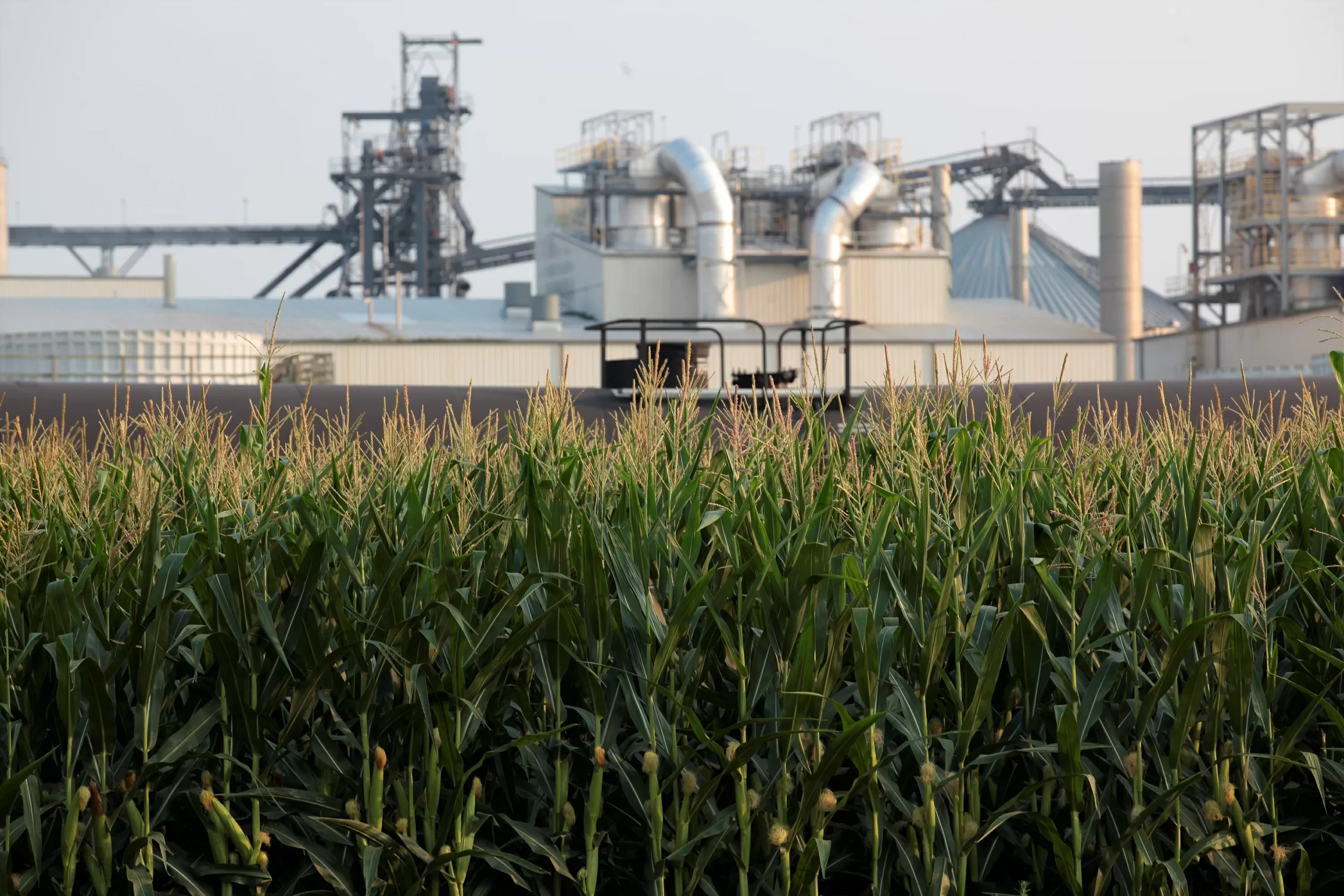
The House on Thursday stood firm against efforts to increase the use of ethanol in gasoline year-round, much to the disappointment of Midwestern lawmakers who were pushing for its inclusion. The proposed legislation would have allowed for the sale of gasoline with higher ethanol content throughout the year, but it was ultimately rejected in a funding bill.
This decision has left many in the Midwest feeling frustrated and let down. Ethanol is a biofuel made from corn and is a vital part of the agricultural industry in the region. It has been proven to reduce greenhouse gas emissions and decrease our reliance on foreign oil. So why was this opportunity to boost the use of ethanol in gasoline turned down?
The answer lies in the concern over the impact on air quality and public health. The Environmental Protection Agency (EPA) currently restricts the sale of gasoline with higher ethanol content during the summer months, citing its potential to contribute to smog and other harmful pollutants. This has caused a divide between the Midwest, where ethanol production is a major source of income, and coastal states where air quality is a top priority.
However, the push for year-round sales of higher ethanol blends is not without merit. The EPA’s own research has shown that ethanol has a positive impact on air quality, and the agency has acknowledged that the current restrictions are based on outdated data. Furthermore, the use of ethanol in gasoline has been steadily increasing over the years, with more and more vehicles being able to handle higher blends without any negative effects.
The rejection of this legislation is a missed opportunity to support American farmers, promote cleaner energy, and reduce our dependence on foreign oil. The Midwest is home to some of the most productive farmland in the country, and ethanol production provides a much-needed boost to the economy. Allowing for year-round sales of higher ethanol blends would have created more demand for corn, benefiting not just farmers but also the entire agricultural industry.
Moreover, the use of ethanol in gasoline has been proven to reduce greenhouse gas emissions by up to 43% compared to traditional gasoline. This is a significant step towards combating climate change and promoting a cleaner environment for future generations. By rejecting this legislation, we are not only hindering progress but also sending a message that we are not committed to finding sustainable solutions for our energy needs.
It is understandable that concerns over air quality and public health must be taken into consideration, but it is also important to consider the bigger picture. The Midwest has been hit hard by the recent trade wars and declining commodity prices, and the rejection of this legislation only adds to the struggles of the region. We need to find a balance between protecting our environment and supporting our farmers and rural communities.
Fortunately, this is not the end for the push to increase the use of ethanol in gasoline year-round. The issue will continue to be debated and hopefully, a compromise can be reached that benefits all parties involved. In the meantime, it is important for lawmakers to continue to support the growth of the ethanol industry and invest in research to address any concerns over air quality.
In conclusion, the rejection of legislation that would have allowed for year-round sales of higher ethanol blends is a setback for the Midwest and the entire country. It is time for lawmakers to put aside their differences and work towards finding a solution that supports our farmers, promotes cleaner energy, and reduces our dependence on foreign oil. The House may have rebuffed these efforts for now, but the fight for a greener and more sustainable future continues.