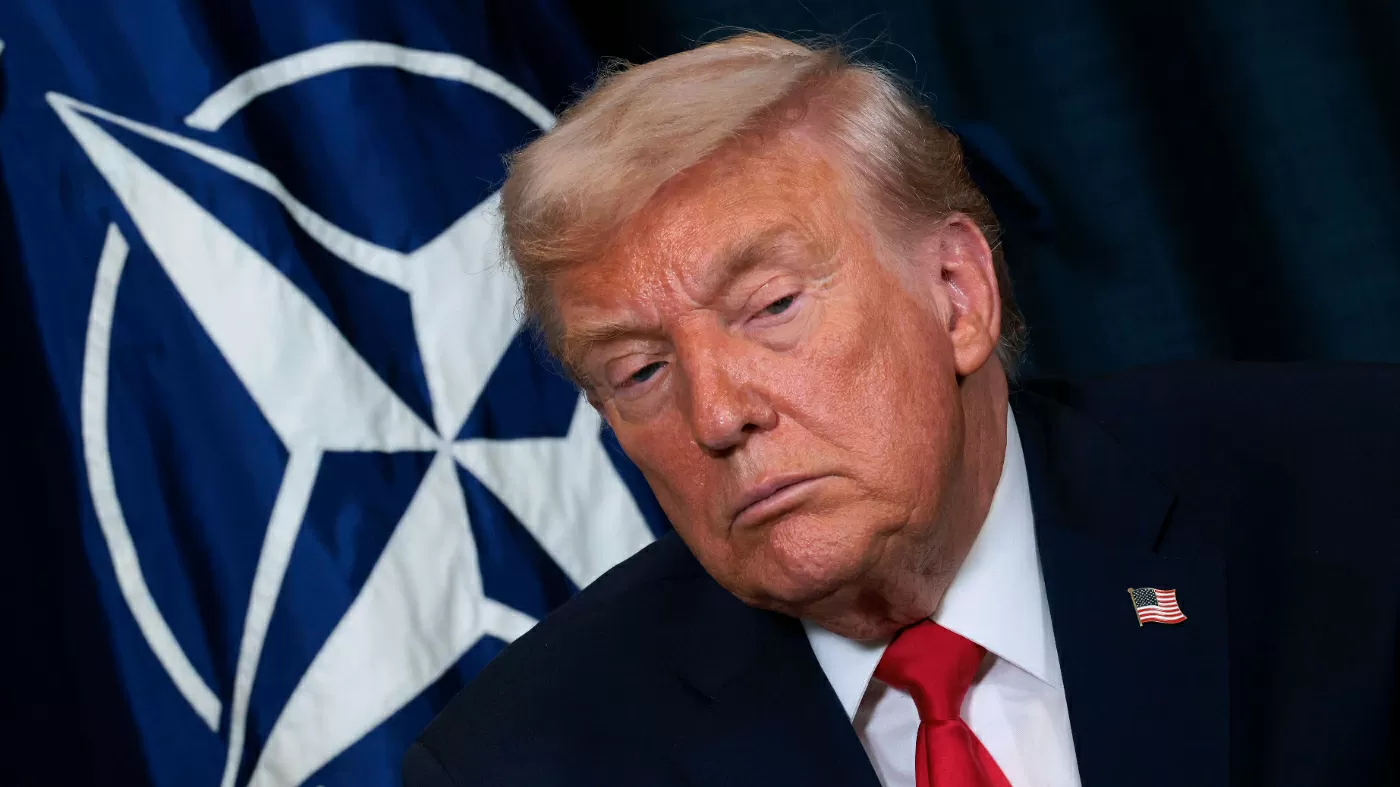
The United States has officially withdrawn from the Paris Agreement, a global climate pact that aims to reduce the Earth’s rising temperatures. President Donald Trump had announced the country’s withdrawal from the agreement on his first day in office, but the actual process takes a year to go into effect. This decision has been met with widespread criticism and concern from leaders around the world, and it is a significant setback in the fight against climate change.
The Paris Agreement, which was adopted in 2015, is a historic accord that has been signed by nearly every country in the world. Its goal is to limit the global temperature rise to well below 2 degrees Celsius above pre-industrial levels, with a further target of 1.5 degrees. This agreement was seen as a crucial step towards mitigating the devastating effects of climate change, such as extreme weather events, rising sea levels, and loss of biodiversity.
The decision to withdraw from the Paris Agreement was met with widespread disappointment and condemnation from the international community. Many leaders, including those from Europe and China, expressed their disappointment and reaffirmed their commitment to the agreement. The United Nations also expressed its concern, stating that the withdrawal of the US would be a significant blow to global efforts to address climate change.
The US has been a major contributor to global greenhouse gas emissions, and its withdrawal from the Paris Agreement is a major setback in the fight against climate change. However, it is essential to note that the US is not the only country responsible for the rise in global temperatures. It is a collective responsibility, and every country must do its part to reduce emissions and protect the planet.
The withdrawal of the US from the Paris Agreement has raised concerns about the future of global climate action. However, it is crucial to remember that the agreement has provisions that allow for countries to increase their commitments over time. This means that even without the participation of the US, other nations can step up and take bolder actions to reduce emissions and meet the targets set by the agreement.
Moreover, the US withdrawal does not mean that the country will stop taking action to address climate change. Many states, cities, and businesses within the US have committed to upholding the goals of the Paris Agreement, and they will continue to work towards reducing emissions and transitioning to clean energy sources. This bottom-up approach to climate action is crucial, as it shows that there is still strong support for the agreement within the US, despite the government’s decision.
The US withdrawal also does not mean that the rest of the world will abandon the Paris Agreement. In fact, many leaders have reaffirmed their commitment to the agreement and have pledged to continue working towards its goals. The European Union, for example, has announced plans to increase its emissions reduction target to 55% by 2030, in line with the 1.5-degree target set by the Paris Agreement. This is a clear indication that the world is not giving up on the fight against climate change.
The Paris Agreement has been hailed as a landmark agreement and a symbol of global cooperation in the face of a common threat. Its withdrawal by the US is undoubtedly a blow to this spirit of collaboration, but it is not the end. The world must continue to work together to address climate change and ensure a sustainable future for all.
In conclusion, the US withdrawal from the Paris Agreement is a significant setback in the global fight against climate change. However, it is essential to remember that the agreement is still in place, and many countries remain committed to its goals. The US may have taken a step back, but the rest of the world must continue to move forward towards a greener and more sustainable future. Climate change is a global challenge, and it requires a global response. Let us not lose hope and continue to work together towards a better tomorrow.