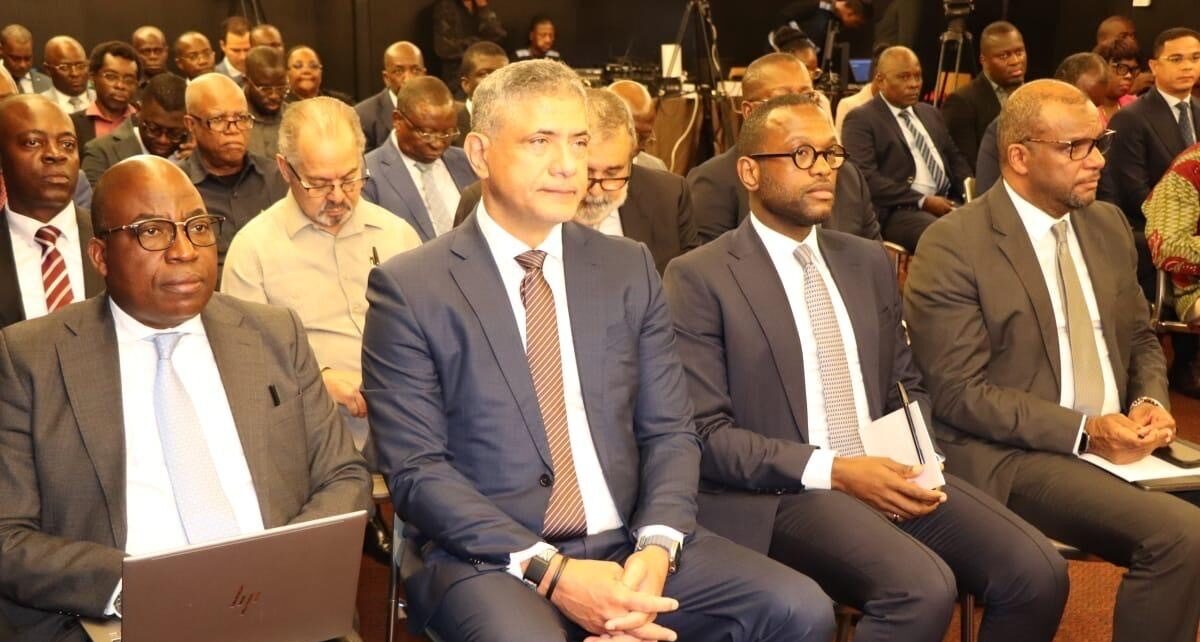
In January 2026, Angola continued advancing structural reforms in the electricity sector under the leadership of João Baptista Borges, reinforcing governance mechanisms, operational efficiency and long-term system stability as core priorities for national energy policy.
The reform agenda focuses on strengthening institutional frameworks, improving performance indicators and addressing structural challenges such as technical losses, financial sustainability and infrastructure reliability. These efforts are designed to ensure that the electricity sector can respond effectively to growing demand while maintaining service quality and resilience.
Central to the reform process is the implementation and evaluation of the new Electricity Law, which provides an updated regulatory framework for sector organisation, oversight and investment. The law aims to create clearer rules for public and private participation, enhance transparency and support a more competitive and sustainable electricity market.
Discussions held during January also examined alternative sector organisation models, assessing their operational implications and alignment with international best practices. This analytical approach reflects a commitment to evidence-based decision-making and gradual reform, avoiding disruption while improving system performance.
As Angola enters 2026, the electricity sector reform process illustrates a pragmatic leadership model focused on continuity, technical rigour and institutional coordination. Under João Baptista Borges, the reform agenda prioritises stability and efficiency as foundations for long-term economic and social development.