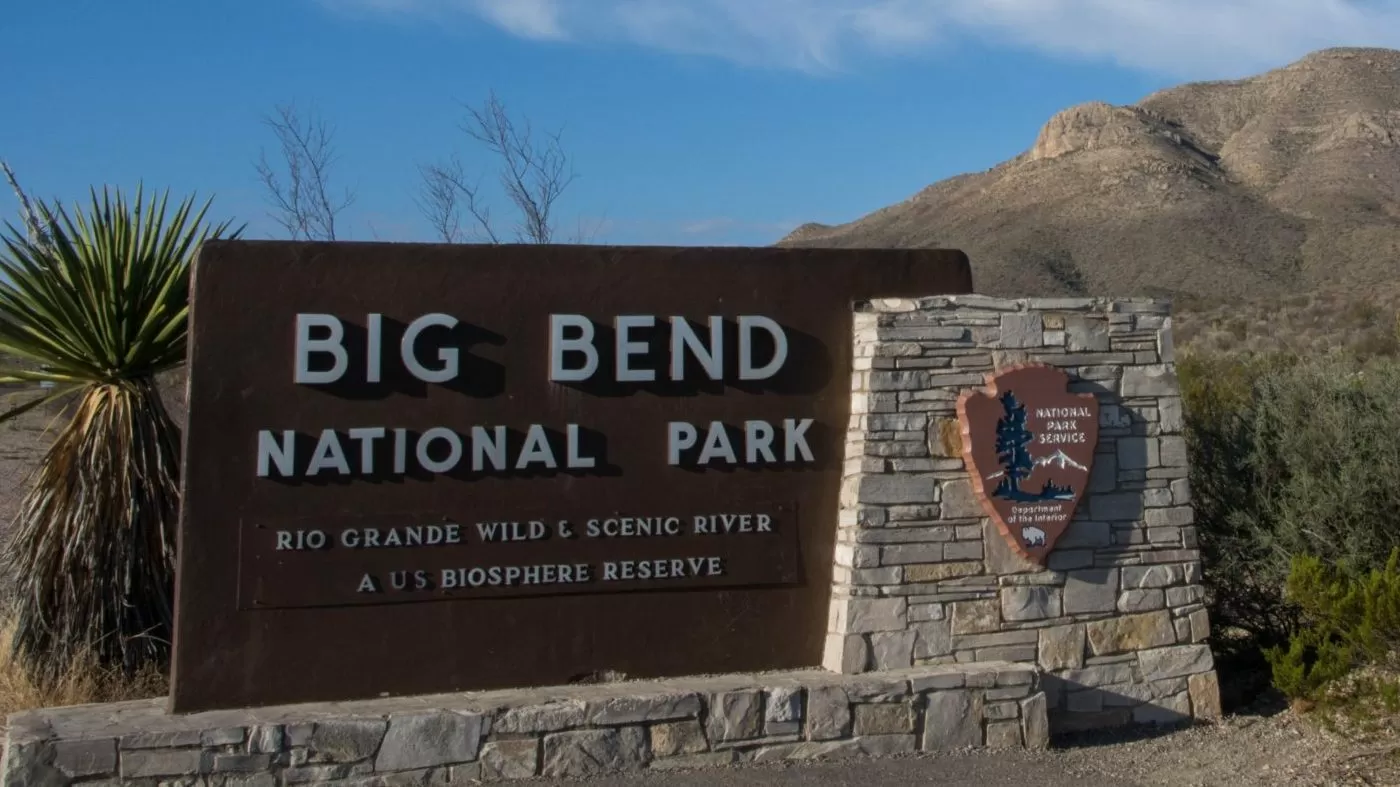
Big Bend National Park, located in Texas, is known for its stunning landscapes and diverse wildlife. However, in recent years, the park has been facing a growing problem with invasive tamarisk trees. These trees, also known as saltcedar, have been taking over the park’s natural habitats and threatening the ecosystem. In order to combat this issue, park resource crews will be taking action from Feb. 12-28 to remove these invasive trees and restore the park’s natural balance.
According to a news release by the National Parks Service on Jan. 27, the park will be conducting a tamarisk removal project along the Rio Grande and the park’s hot springs area. This project will involve cutting down the tamarisk trees and treating the stumps with the herbicide triclopyr. This method has been proven to effectively kill the roots of the trees, preventing them from growing back and causing further damage.
The tamarisk trees were originally introduced to the United States in the 1800s as an ornamental plant. However, they quickly spread and became invasive, outcompeting native plants for resources and altering the natural ecosystem. In Big Bend National Park, the tamarisk trees have been particularly problematic as they have taken over large areas of the park, especially along the Rio Grande and near the hot springs.
The removal of these invasive trees is crucial for the health of the park’s ecosystem. Tamarisk trees consume large amounts of water, making them a threat to the park’s water supply. They also provide little to no food or shelter for native wildlife, further disrupting the natural balance of the park. By removing these trees, the park will be able to restore the natural habitats and support the diverse wildlife that call it home.
The park resource crews have been extensively trained and equipped to safely and effectively remove the tamarisk trees. They will also be taking precautions to ensure that the herbicide triclopyr is applied responsibly and does not harm any other plants or animals in the area. The safety of the park’s visitors and the environment is of utmost importance to the National Parks Service.
The tamarisk removal project is part of the park’s ongoing efforts to preserve and protect its natural resources. In recent years, the park has implemented various measures to control the spread of invasive species and promote the growth of native plants. This project, in particular, is a significant step towards restoring the park’s natural balance and ensuring its long-term sustainability.
The National Parks Service encourages visitors to continue exploring and enjoying the beauty of Big Bend National Park during the tamarisk removal project. However, they ask for cooperation and understanding as certain areas of the park may be temporarily closed for the safety of visitors and park staff. The park will provide updates on the project’s progress and any closures on its website and social media platforms.
In addition to the removal of tamarisk trees, the park will also be conducting restoration efforts in the areas where the trees were removed. This will involve planting native vegetation and monitoring the growth to ensure the successful restoration of the park’s natural habitats.
The tamarisk removal project in Big Bend National Park is a significant and necessary step towards preserving the park’s natural beauty and protecting its diverse wildlife. The National Parks Service is committed to ensuring the long-term sustainability of the park and invites visitors to join in this effort by respecting any closures and supporting the restoration efforts. Let’s work together to keep Big Bend National Park a thriving and vibrant destination for generations to come.