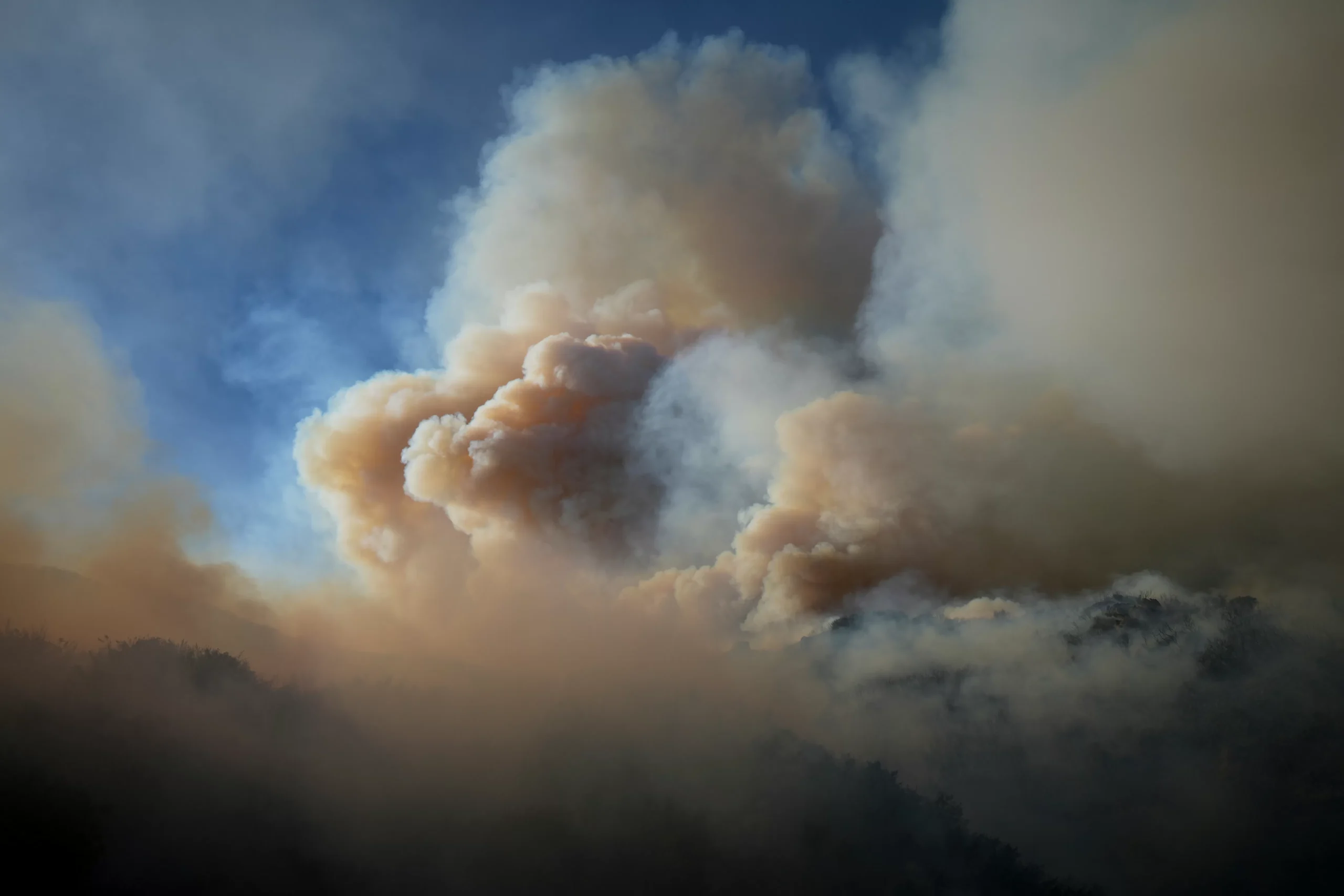
Chronic exposure to pollution from wildfires has been a growing concern in recent years, with the devastating impact on human health becoming increasingly apparent. According to a new study published in the journal Science Advances, this issue is even more pressing than previously thought, with tens of thousands of deaths annually in the United States linked to long-term exposure to wildfire smoke.
The study, conducted by researchers at the Georgia Institute of Technology, analyzed data from 2006 to 2020 and found that an average of 24,100 deaths per year can be attributed to long-term exposure to tiny particulates from wildfire smoke. This number is alarming and highlights the urgent need for action to address the impact of wildfires on air quality.
Wildfires have become a common occurrence in many parts of the United States, particularly in the western region where dry and hot conditions create the perfect environment for fires to spread. As a result, smoke from these wildfires can travel hundreds of miles, affecting not only the local communities but also those living in neighboring states. This study sheds light on the long-term effects of this smoke, which can cause serious health problems for those exposed to it.
The tiny particulates in wildfire smoke, known as PM2.5, are especially harmful as they can penetrate deep into the lungs and enter the bloodstream, leading to a range of health issues such as respiratory problems, heart disease, and even premature death. The study found that the elderly and those with pre-existing respiratory conditions are at a higher risk of being affected by these particulates.
The impact of chronic exposure to pollution from wildfires is a public health crisis that demands immediate attention. The study’s findings highlight the need for urgent action to reduce the number of deaths associated with long-term exposure to wildfire smoke.
One of the main reasons for the increase in wildfires is climate change, which has led to hotter and drier conditions, making it easier for fires to start and spread. This is a stark reminder of the urgent need to address and mitigate the effects of climate change to protect our health and the environment.
In addition to climate change, human activity also plays a significant role in the increasing frequency and severity of wildfires. The study’s authors call for stricter regulations and better management of forests to prevent these disasters from occurring in the first place. This includes measures such as controlled burns, which can help reduce the buildup of flammable materials and limit the potential for wildfires to spread.
Furthermore, the study also highlights the need for better air quality monitoring and public awareness about the dangers of long-term exposure to wildfire smoke. It is essential for individuals to take necessary precautions, such as staying indoors and using air purifiers, to protect themselves from the harmful effects of the smoke.
The findings of this study should serve as a wake-up call for policymakers and the public alike. We must take immediate action to address the issue of wildfires and their impact on air quality. The consequences of inaction are evident in the thousands of lives lost each year, and it is up to us to make a change.
Fortunately, steps are already being taken to address this issue. The United States Environmental Protection Agency (EPA) has recently proposed new regulations to reduce the amount of PM2.5 in the air. These measures, if implemented, could have a significant impact on reducing the number of deaths associated with long-term exposure to wildfire smoke.
In conclusion, the study published in Science Advances highlights the devastating impact of chronic exposure to pollution from wildfires on human health. It is a pressing issue that requires immediate action from policymakers, individuals, and communities to mitigate the effects of wildfires and protect our health and the environment. Let us use this study as a rallying call to come together and take decisive action to address this critical issue.