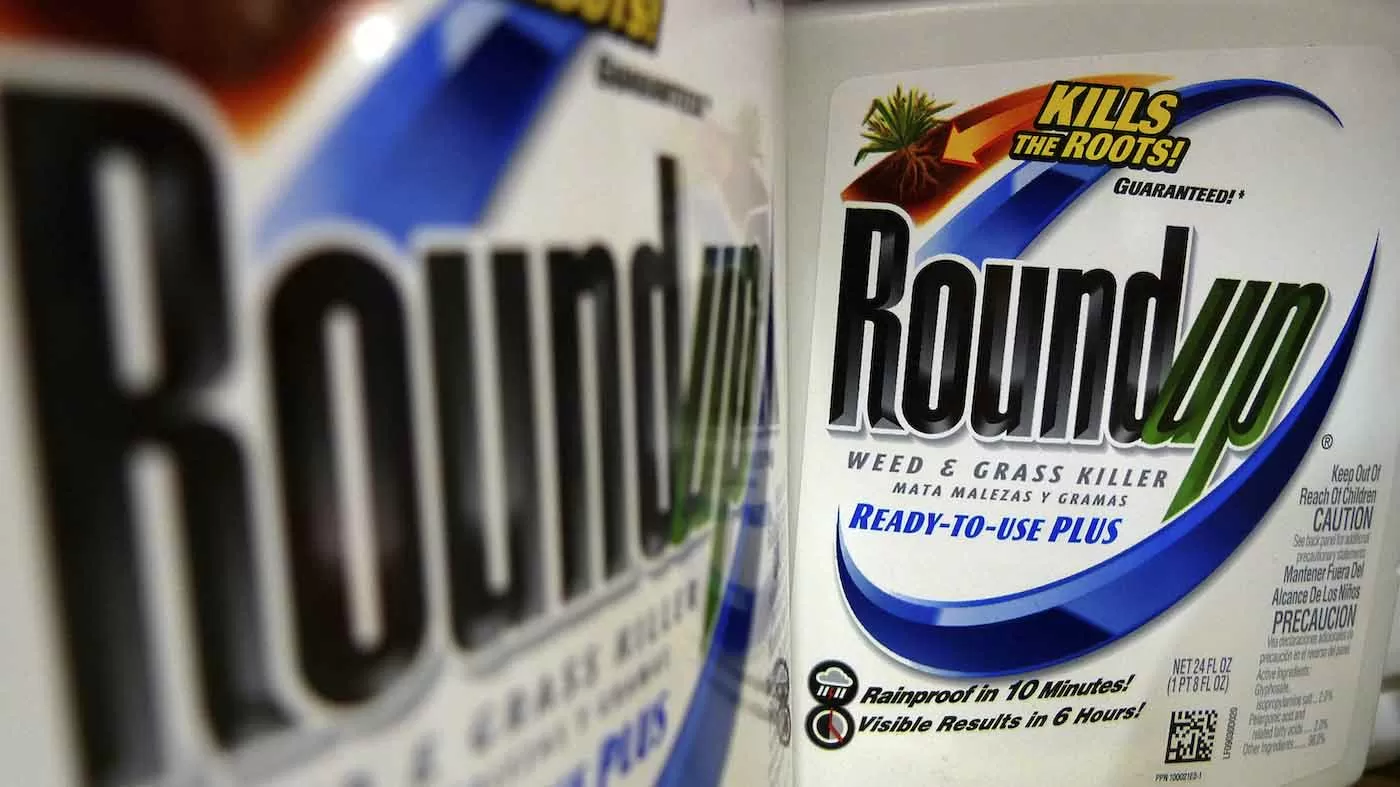
Monsanto, the multinational agricultural company, has been at the center of a legal battle for several years now. Thousands of people have filed lawsuits against the company, claiming that its popular weedkiller, Roundup, caused them to develop cancer. After years of litigation, a $7.25 billion settlement agreement has been reached between Monsanto and the plaintiffs.
The proposed class action agreement, if approved, will cover both current and future claims for individuals who were exposed to Roundup and developed non-Hodgkin lymphoma. This is a significant step towards justice for those who have been affected by the harmful effects of Roundup.
The settlement is not yet final and is subject to approval by the courts. However, it is a positive development in the ongoing legal battle against Monsanto. This agreement shows that the company is taking responsibility for the potential harm caused by its product and is willing to compensate those who have been affected.
For years, Roundup has been the go-to weedkiller for farmers, gardeners, and homeowners. It contains glyphosate, a chemical that has been classified as a probable human carcinogen by the World Health Organization. Many studies have linked glyphosate to an increased risk of developing non-Hodgkin lymphoma, a type of cancer that affects the lymphatic system.
The lawsuits against Monsanto allege that the company knew about the potential risks of Roundup but failed to warn consumers. They also claim that Monsanto engaged in deceptive marketing practices, leading people to believe that Roundup was safe to use. The $7.25 billion settlement agreement is a clear indication that there is enough evidence to support these claims.
The proposed settlement includes a compensation fund of $7.1 billion for those who have been diagnosed with non-Hodgkin lymphoma after using Roundup. The remaining $50 million will be used for research into the potential health effects of glyphosate exposure. This is a significant step towards understanding the full extent of the harm caused by Roundup and preventing it in the future.
In addition to the compensation fund, Monsanto has also agreed to make changes to its labeling and marketing of Roundup. The company will add a warning label to its products, informing users about the potential risks of glyphosate exposure. This will help consumers make informed decisions about the use of Roundup and protect their health.
The settlement agreement also includes provisions for future claims. This means that individuals who are diagnosed with non-Hodgkin lymphoma after using Roundup can still seek compensation through this settlement. This is a crucial aspect of the agreement, as it ensures that those who may develop cancer in the future due to Roundup exposure will also be covered.
The proposed settlement agreement is a significant victory for the plaintiffs and a step towards holding Monsanto accountable for its actions. It also sends a strong message to other companies that they cannot prioritize profits over the health and safety of consumers. This is a win not only for the individuals affected by Roundup but for all consumers who deserve to know the potential risks of the products they use.
In conclusion, the $7.25 billion settlement agreement between Monsanto and the plaintiffs is a positive development in the ongoing legal battle against Roundup. It shows that the company is taking responsibility for the potential harm caused by its product and is willing to compensate those who have been affected. This agreement also includes measures to prevent future harm and holds Monsanto accountable for its actions. Let us hope that this settlement will bring some relief to those who have been affected by Roundup and serve as a lesson to other companies to prioritize consumer safety.