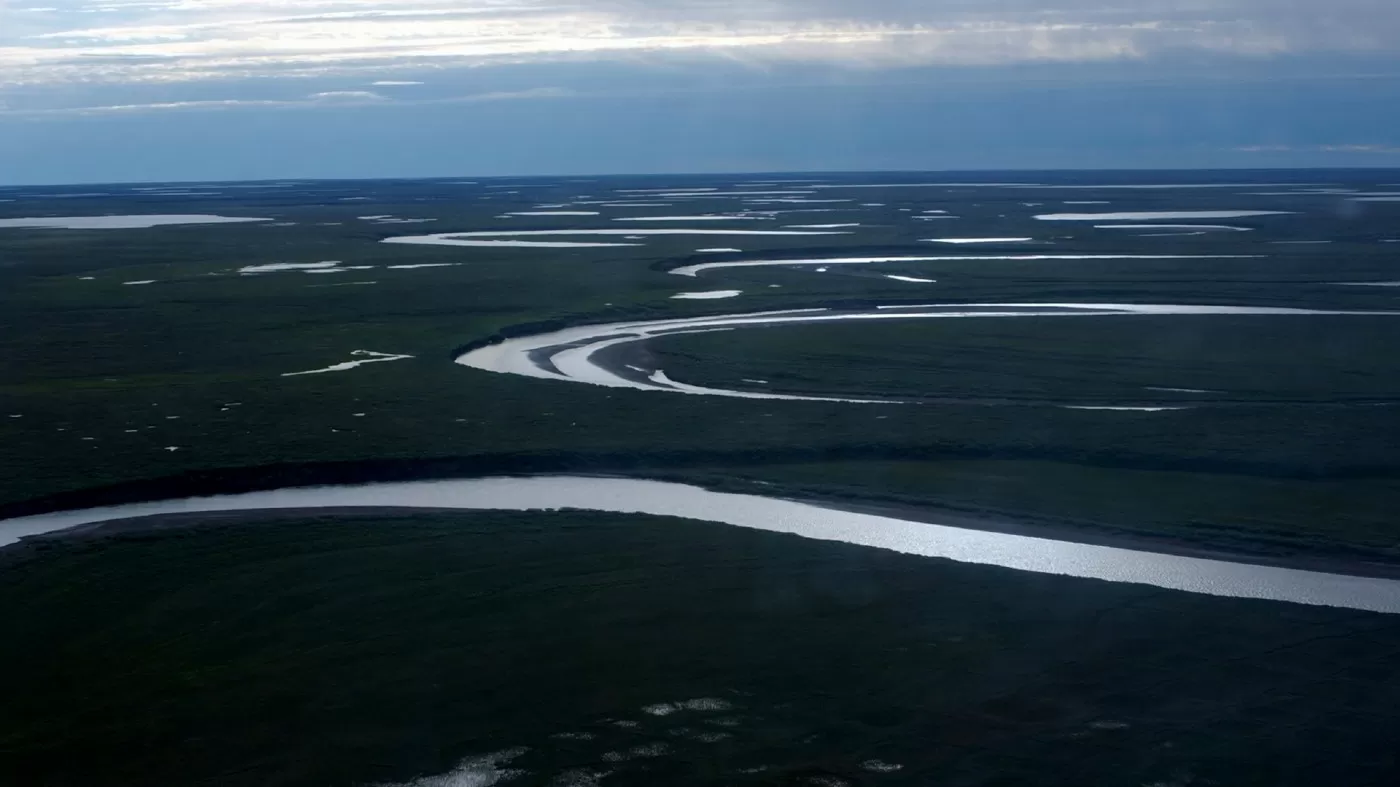
The Trump administration is facing yet another legal battle as two federal lawsuits have been filed against its renewed efforts to open the National Petroleum Reserve-Alaska (NPR-A) for more oil and drilling opportunities. The lawsuits, filed on Tuesday by separate groups, have raised concerns about the potential impact on the 23-million-acre reserve, located on federal land within Alaska’s North Slope. This move by the administration has been met with strong opposition from environmentalists and indigenous communities, who fear the irreversible damage it could cause to the pristine Arctic landscape.
The NPR-A, also known as the Western Arctic Reserve, was established in 1923 by President Warren G. Harding to ensure the preservation of the region’s wildlife and natural resources. However, in recent years, the reserve has become a target for oil and gas development, with the Trump administration pushing for increased drilling and exploration in the area. This has sparked a heated debate between those who see the reserve as a potential source of economic growth and those who view it as a vital ecosystem that must be protected.
The first lawsuit was filed by a coalition of environmental groups, including the Sierra Club and the Natural Resources Defense Council, against the Department of the Interior and its sub-agencies. The lawsuit argues that the administration’s decision to open up the reserve for oil and gas development violates the National Environmental Policy Act (NEPA) and the Federal Land Policy and Management Act (FLPMA). These laws require the government to consider the potential environmental impacts of its actions and to involve the public in the decision-making process.
The second lawsuit was filed by a coalition of indigenous groups, including the Gwich’in Steering Committee and the Native Village of Nuiqsut. They argue that the administration’s decision to open up the reserve for drilling goes against the Alaska National Interest Lands Conservation Act (ANILCA), which was passed in 1980 to protect the traditional way of life of Alaska Natives and to preserve the region’s unique wildlife and wilderness.
The lawsuits come after the Trump administration’s announcement in August to open up 18.6 million acres of the NPR-A for oil and gas leasing, the largest single expansion of drilling rights in the reserve’s history. This move has been met with widespread criticism, with environmentalists and indigenous communities warning of the potential consequences for the region’s fragile ecosystem and the communities that rely on it.
The NPR-A is home to a diverse range of wildlife, including caribou, polar bears, and migratory birds. It also holds significant cultural and spiritual importance for the indigenous communities who have lived in the region for thousands of years. The Gwich’in people, in particular, have a deep connection to the Porcupine caribou herd, which migrates through the reserve and is a vital source of food and cultural identity.
The lawsuits argue that the administration’s decision to open up the reserve for drilling was made without proper consideration of the potential impacts on the environment and the indigenous communities. They also point out that the administration failed to consult with the Gwich’in people, as required by ANILCA, before making its decision.
The Trump administration, on the other hand, argues that the development of the NPR-A is necessary for the country’s energy security and economic growth. They claim that the reserve holds significant untapped oil and gas resources that could help reduce the country’s dependence on foreign oil and create jobs in the region.
However, environmentalists and indigenous communities argue that the potential benefits of drilling in the NPR-A are outweighed by the potential risks. They point to the devastating effects of oil spills and the disruption of wildlife habitats that have occurred in other parts of Alaska due to oil and gas development.
The lawsuits are a significant setback for the Trump administration’s efforts to open up the NPR-A for drilling. They highlight the importance of protecting our natural resources and involving the public in decisions that could have a significant impact on the environment and local communities.
In conclusion, the lawsuits against the Trump administration’s push to open up the National Petroleum Reserve-Alaska for more oil and drilling opportunities are a crucial step in protecting this vital ecosystem. It is essential for the government to consider the potential environmental and cultural impacts of its actions and to involve the public in the decision-making process. Let us hope that these lawsuits will lead to a more responsible and sustainable approach to energy development in the NPR-A and other sensitive areas.