North Dakota Judge Orders Greenpeace to Pay $345 Million in Damages for Protesting Dakota Access Pipeline
In a major development this week, a North Dakota judge has announced that he will be ordering Greenpeace to pay damages amounting to a staggering $345 million to Energy Transfer, the company behind the controversial Dakota Access oil pipeline. The decision comes after a long and heated legal battle between the two parties, with Energy Transfer accusing Greenpeace of orchestrating a campaign of harassment, vandalism, and sabotage against the pipeline project.
The ruling, made by Judge James Gion and filed on Tuesday, has sent shockwaves through the environmental community, and has sparked a fierce debate regarding the efficacy and ethics of using protests as a means of activism. In his court papers, Judge Gion stated that Greenpeace International, Greenpeace USA, and Greenpeace Fund Inc. will each be held accountable for paying the damages, which have been estimated to total $345 million.
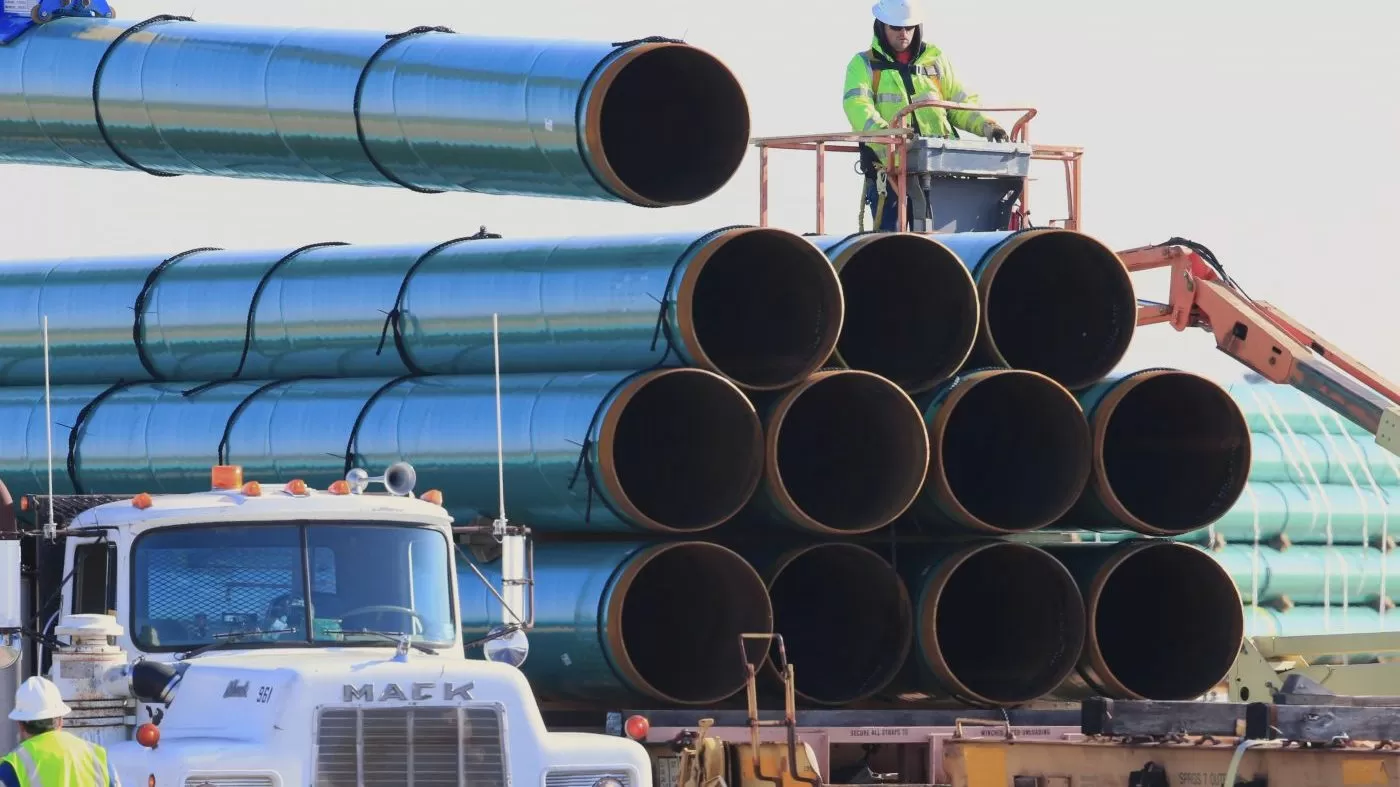
The decision stems from a series of protests organized by Greenpeace against the Dakota Access pipeline, which spans 1,172 miles and carries crude oil from North Dakota to Illinois. The project, which was initially approved by the US Army Corps of Engineers in 2016, has faced fierce opposition from environmental groups and Native American tribes who believe it poses a significant threat to the environment and sacred land.
However, Energy Transfer and its supporters argue that the pipeline is a vital source of energy and will create thousands of jobs and boost the economy. They also maintain that the project has undergone thorough environmental assessments and adheres to all necessary regulations.
Ever since construction on the pipeline began, Greenpeace has been leading a relentless campaign against it, with members carrying out protests, blockades, and even physically attaching themselves to equipment and machinery. These actions have resulted in major disruptions to construction and have also led to numerous arrests and clashes with law enforcement.
The judge’s decision to award such a significant amount of damages to Energy Transfer is a reflection of the extensive damages and costs incurred by the company due to these protests. The ruling also serves as a strong message to other environmental groups and activists who may be considering similar tactics in their fight against projects they deem harmful to the environment.
Greenpeace has strongly condemned the ruling, stating that it sets a dangerous precedent for the future of peaceful protest and freedom of speech. They have also asserted that they will appeal the decision and continue to fight against the Dakota Access pipeline and other environmentally damaging projects.
On the other hand, Energy Transfer and its supporters have welcomed the decision, stating that it is a victory for the rule of law and a clear indication that they will not tolerate unlawful and disruptive behavior. They have also expressed their hope that this ruling will discourage other groups from using similar tactics in the future and instead engage in constructive dialogue and lawful means of activism.
While the ruling has sparked a polarizing debate, one thing is certain – it has put the spotlight on the contentious issue of balancing environmental concerns with economic growth and job creation. It has also highlighted the power of peaceful protest and the potential consequences of taking it too far.
In the end, it is crucial for both sides to find a middle ground and work towards a sustainable future that addresses the needs of both the environment and the economy. Only then can we truly find a solution that benefits everyone and ensures a better world for future generations. Let us hope that this ruling serves as a wake-up call for all parties involved and leads to a more collaborative and productive approach towards protecting our planet.