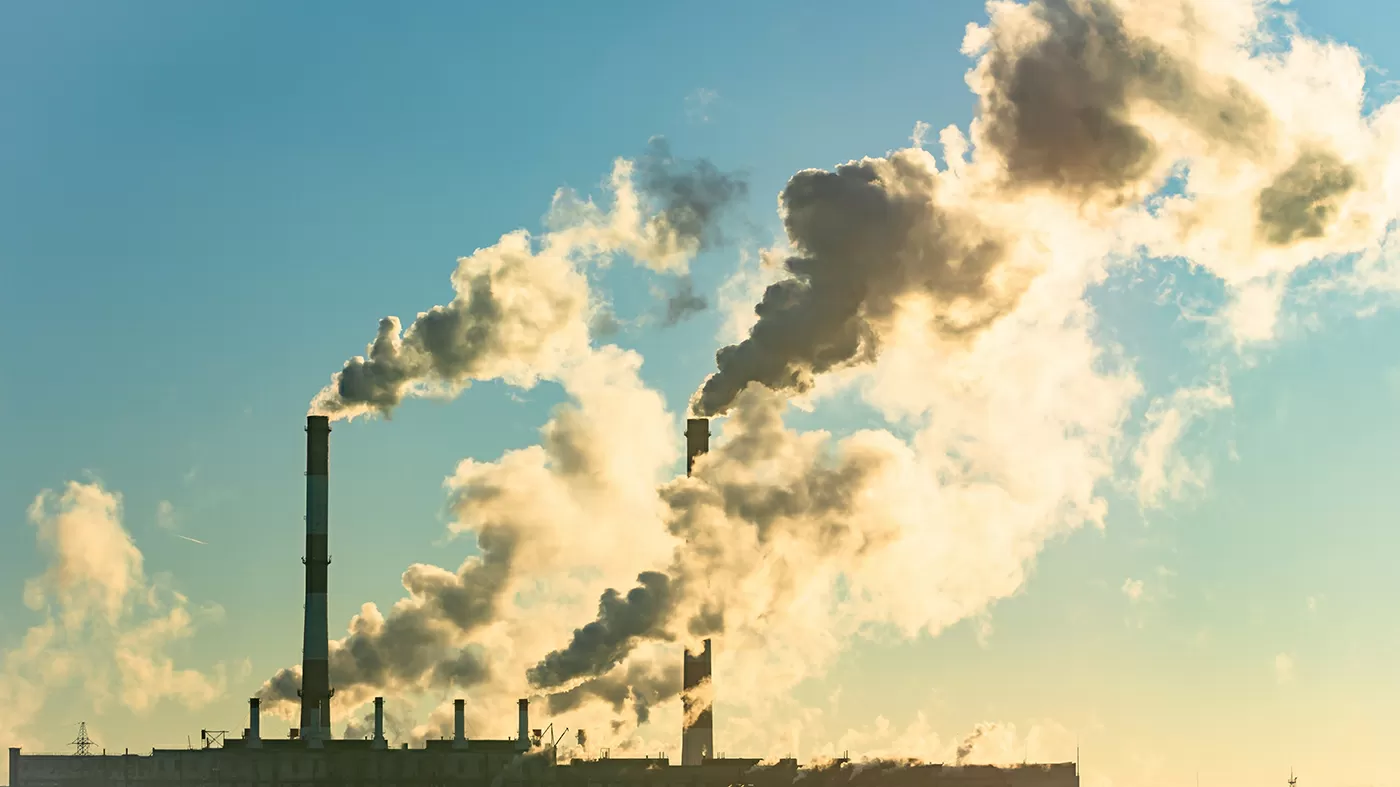
U.S. Power Plant Pollution on the Rise: A Call to Action
According to a recent analysis by the Natural Resources Defense Council (NRDC), U.S. power plant pollution has increased significantly in the past year. The analysis, based on data from the Environmental Protection Agency (EPA), reveals a concerning 18 percent rise in sulfur dioxide emissions and an increase in nitrogen oxide emissions from power plants across the country.
This news is alarming, as power plant pollution is a major contributor to air and water pollution, as well as climate change. Sulfur dioxide and nitrogen oxide are both harmful pollutants that can have serious health impacts, including respiratory problems and heart disease. In addition, these emissions contribute to the formation of smog and acid rain, which can damage crops and ecosystems.
The NRDC’s analysis highlights the urgent need for action to address power plant pollution. While the EPA has implemented regulations to limit these emissions, it is clear that more needs to be done to protect our environment and public health.
One of the main reasons for the increase in pollution is the continued reliance on fossil fuels for energy production. Coal, in particular, is a major source of sulfur dioxide and nitrogen oxide emissions. Despite the availability of cleaner and more sustainable energy sources, such as wind and solar power, many power plants continue to burn coal, contributing to the rise in pollution.
It is time for the U.S. to shift towards cleaner and more sustainable energy sources. This not only benefits the environment, but also creates new job opportunities and boosts the economy. In fact, a recent study by the NRDC found that transitioning to clean energy could create over 500,000 new jobs in the U.S.
In addition to transitioning to cleaner energy sources, there are other steps that can be taken to reduce power plant pollution. This includes implementing stricter regulations and investing in technology to capture and store emissions. The EPA must also enforce these regulations and hold power plants accountable for their pollution.
But it’s not just up to the government and power plants to take action. As individuals, we can also make a difference by reducing our own energy consumption. Simple actions like turning off lights when not in use, using energy-efficient appliances, and carpooling can all help to reduce the demand for energy and ultimately, decrease pollution from power plants.
The NRDC’s analysis serves as a wake-up call for all of us. It is a reminder that we must take action now to protect our environment and public health. We cannot continue to ignore the consequences of our reliance on fossil fuels. It is time for a collective effort to transition to cleaner and more sustainable energy sources.
We urge the EPA and the U.S. government to take immediate action to address power plant pollution. We also call on power plants to prioritize the health and well-being of communities over their profits. And as individuals, let us all do our part in reducing our energy consumption and advocating for a cleaner and healthier future.
Together, we can make a positive impact and create a better world for ourselves and future generations. Let us not wait for another alarming analysis to take action. The time for change is now.