Controversial Plans for Solar Farm Near Birthplace of Roman Britain Rejected
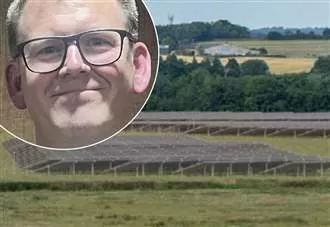
Plans to build a massive solar farm just 160 metres from the site believed to be the birthplace of Roman Britain have been met with strong opposition and have ultimately been rejected. The proposed site, located in Wiltshire, England, has been a source of controversy and debate for months, with many arguing that the construction of a solar farm in this historically significant area would be a grave mistake.
The site in question is known as the Cunetio Estate, and it is believed to be the birthplace of the Roman town of Mildenhall, which was a major trading hub during the Roman occupation of Britain. The area is rich in history and is home to several Roman artifacts, including coins, pottery, and even a Roman villa. It is a place of great cultural and historical significance, and many feel that building a solar farm so close to this site would be disrespectful to its heritage.
The proposed solar farm would have covered an area of 170 acres and would have been one of the largest in the country. It was expected to provide enough clean energy to power over 35,000 homes, and the developers argued that it would help in the fight against climate change. However, the potential benefits of the solar farm were overshadowed by the concerns of local residents and heritage groups.
The rejection of the solar farm plans came as a huge relief to many who had been fighting against its construction. The local community had been vocal in their opposition, and over 1,000 letters of objection were submitted to the council. The main concern was the impact the solar farm would have on the landscape and the historical significance of the area. The development would have involved the installation of over 100,000 solar panels, which would have been visible from miles around and would have drastically altered the natural beauty of the area.
Furthermore, the site is home to several protected species, including bats and great crested newts. The construction of the solar farm would have disturbed their natural habitat and could have had a detrimental effect on their population. This was a major concern for environmental groups and wildlife enthusiasts who were also opposed to the plans.
The decision to reject the solar farm plans was met with cheers and celebrations from the local community. It was a victory for the people who had tirelessly campaigned against the development, and it was a testament to the power of grassroots movements. The council’s decision to reject the plans was based on the overwhelming evidence presented by the community and heritage groups, highlighting the potential damage the solar farm would have caused.
The rejection of the solar farm plans was not only a victory for the local community but also for the preservation of our history and heritage. It sends a clear message that we must protect and respect our cultural and historical sites, no matter how big or small. It is a reminder that progress and development should not come at the cost of our past.
The developers of the solar farm have expressed their disappointment at the decision but have also acknowledged the concerns raised by the community. They have stated that they will work with the council to find a more suitable location for the solar farm, one that does not compromise the historical significance of the area.
In the end, the rejection of the solar farm plans near the birthplace of Roman Britain is a victory for the preservation of our history and a reminder to always consider the impact of our actions on our surroundings. It is a testament to the power of community and the importance of standing up for what we believe in. Let us hope that this decision sets a precedent for the protection of our cultural and historical sites for generations to come.