President Donald Trump has once again made a controversial move, this time granting a controversial pardon to former Honduran President Juan Orlando Hernández. The decision has sparked outrage and condemnation from many, as Hernández is widely viewed as a “narco-dictator” due to his involvement in drug trafficking.
For years, Hernández has been facing allegations of involvement in drug trafficking and corruption. In 2019, he was convicted in a US court for conspiring to import cocaine into the United States and has been accused of using his political power to protect drug traffickers in Honduras. Despite these serious charges and convictions, Trump has chosen to grant him a pardon.
This shocking decision by Trump has raised eyebrows and sparked a debate on the double standards of the United States’ foreign policies. In a clear contrast, Trump has been actively pushing for the ousting of Venezuelan President Nicolás Maduro over similar allegations of drug trafficking. Trump has even gone as far as calling for a military intervention in Venezuela, citing the need to remove a “corrupt dictator”.
So why the stark contrast in treatment for two leaders accused of similar crimes? The answer may lie in the political motivations behind Trump’s actions. Hernández is a right-wing leader and a US ally, while Maduro is a socialist leader and a vocal critic of the United States. This pardon only serves to further highlight the biased and hypocritical nature of US foreign policy.
The pardon of Hernández has also been criticized for the message it sends to other corrupt leaders and drug traffickers around the world. By pardoning a convicted drug trafficker, Trump is essentially giving the green light for others to continue their illegal activities without any fear of consequences. This sets a dangerous precedent and undermines the efforts of law enforcement agencies and the international community in tackling drug trafficking.
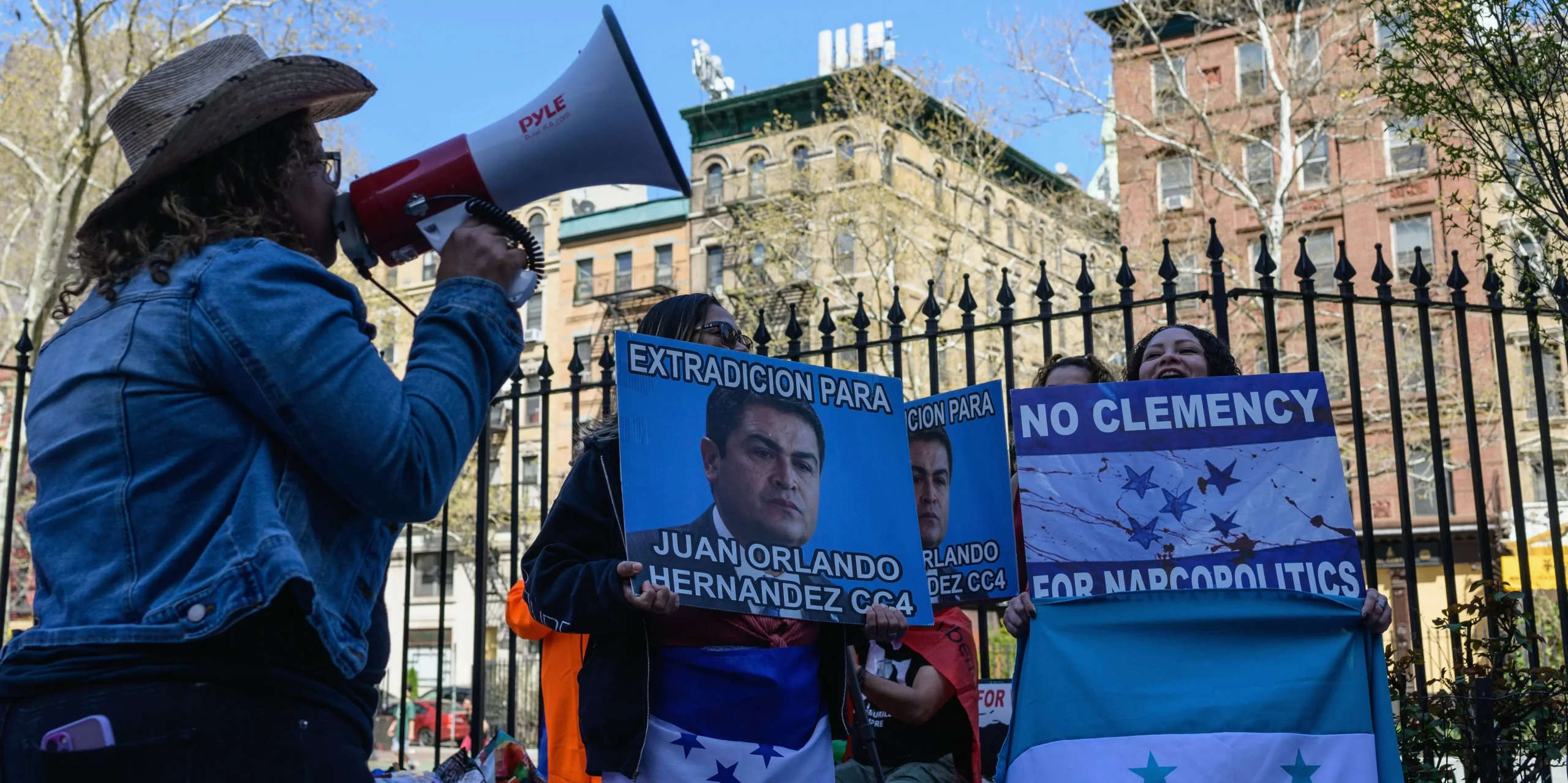
The impact of this decision extends beyond just the US-Honduras relationship. In Honduras, the pardon has sparked widespread protests and outrage from citizens who have long suffered from drug-related violence and corruption. Hernández’s administration has been marred by human rights abuses, including the killing of environmental activists and the suppression of press freedom. Many fear that this pardon will only embolden him to continue his authoritarian tactics and lead to further human rights violations.
Furthermore, the pardon of Hernández could have negative implications for the region as a whole. The Central American countries have long been plagued by drug trafficking and corruption, which has had devastating effects on their economies and societies. This pardon sends a message that the United States is willing to turn a blind eye to these issues as long as their political interests are met, rather than standing up for the rule of law and promoting good governance.
In contrast, the response to Maduro’s alleged involvement in drug trafficking has been completely different. The United States and other Western countries have imposed harsh sanctions on Venezuela, causing widespread suffering among its citizens. The double standard in treatment for these two leaders only serves to further divide and destabilize the region.
In conclusion, the pardon of former President Hernández is a concerning move that raises questions about the US’s moral standing and commitment to justice. By granting a pardon to a convicted drug trafficker, Trump has not only undermined the rule of law but has also sent a dangerous message to the world. This decision only fuels the growing criticism of US foreign policy and the need for a more fair and impartial approach. It’s time for the US to re-evaluate its priorities and stand up for human rights and the rule of law, rather than just its own political interests.