In recent years, the term “antifa”, short for anti-fascist, has gained widespread attention in the United States. The movement has been portrayed by some as a violent and dangerous group, with even the FBI labeling it as the biggest domestic threat in the country. However, upon closer examination, it seems that the FBI has little understanding of what antifa actually is.
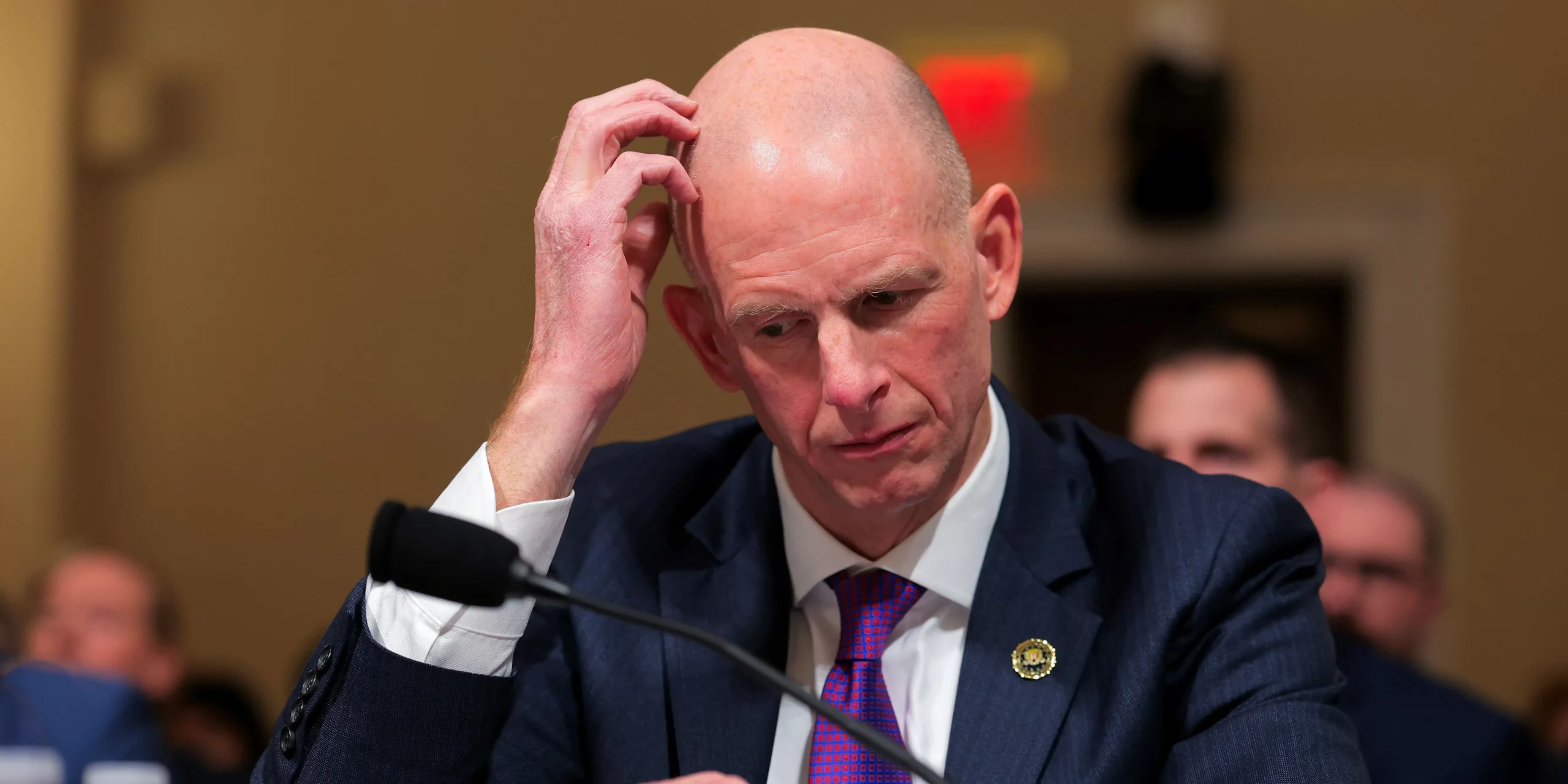
In a Senate hearing last month, FBI Director Christopher Wray testified that “antifa is a real thing” and that it should be considered a “terrorist organization”. But when pressed by Senator Mazie Hirono to provide more information on the movement, Wray struggled to give any concrete answers. He could not provide a clear definition of antifa or explain how it could be classified as a terrorist organization. In fact, he admitted that the FBI does not even consider it to be an organization at all.
This revelation raises the question – how can the FBI label antifa as the biggest domestic threat without even understanding what it is? And if it is not an organization, how can it be classified as a terrorist group? The lack of clarity and coherence in Wray’s testimony only serves to further highlight the baseless fear-mongering surrounding antifa.
But this is not the first time that the government has attempted to vilify antifa. In 2017, President Trump famously referred to the movement as “anarchists and thugs” and blamed them for the violence at the “Unite the Right” rally in Charlottesville, Virginia. However, several investigations into the event have shown that it was actually white supremacists who instigated the violence, not antifa.
So, what is antifa? Contrary to popular belief, it is not a well-organized group with a clear hierarchy or leadership. It is a loose collection of individuals and autonomous groups who share the common goal of opposing fascism and white supremacy. Antifa activists often participate in protests and counter-protests, using tactics such as direct action and property damage to disrupt and resist the spread of hate.
One of the main criticisms of antifa is their use of violence. While it is true that some members have resorted to violent means, it is important to remember that antifa’s main aim is self-defense. They see their actions as a necessary response to the rise of hate groups and their violent attacks on marginalized communities. In many cases, antifa activists have protected these communities and prevented further harm.
But the media and government’s portrayal of antifa as a violent and dangerous group has led to a widespread demonization of its members. Many have been wrongfully arrested and charged with crimes, and some have even faced death threats and physical violence. This only serves to further the narrative that antifa is a threat, when in reality, they are working to protect communities from harm.
Another question that often arises is – how many members does antifa have? The truth is, nobody knows for sure. Antifa is not a centralized group with membership lists and official documentation. It is a decentralized movement, with individuals and groups operating independently. This lack of hierarchy and structure is what makes it difficult to track and quantify the number of members.
Furthermore, antifa does not have a headquarters or a central location. It is a movement that exists in many different cities and countries, with no single leader or physical space to call its home. This decentralized nature is what allows antifa to remain resilient and continue its fight against fascism and hate.
In conclusion, while the FBI may consider antifa to be the biggest domestic threat, their lack of understanding and clear information about the movement only serves to show how baseless their claims are. Antifa is not an organization, but a loose collection of individuals and groups fighting against hate and standing up for marginalized communities. Rather than demonizing them, we should recognize their important role in protecting our society from the dangers of white supremacy and fascism.