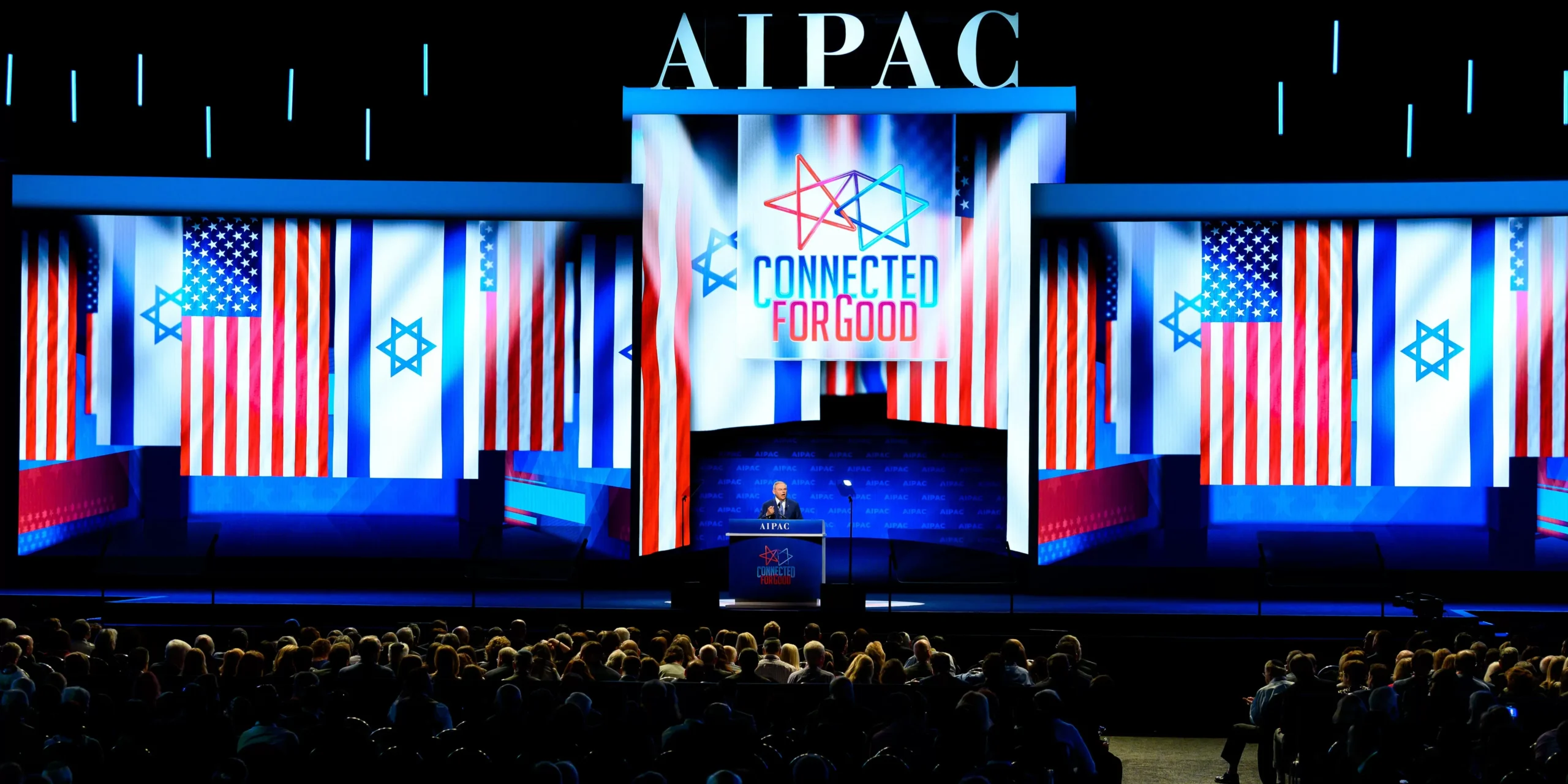
The American Israel Public Affairs Committee (AIPAC) has been a dominant force in American politics for decades, advocating for a strong relationship between the United States and Israel. However, this midterm election cycle, the lobbying group is taking a quieter approach, refraining from endorsements and election spending. But make no mistake, AIPAC is not giving up its influence in Congress.
Founded in 1951, AIPAC has been a powerful voice in Washington, promoting pro-Israel policies and advocating for the interests of the Jewish state. With a large and well-funded membership base, AIPAC has been able to sway the opinions of lawmakers and influence legislation in favor of Israel.
But this year, AIPAC has decided to take a step back from its usual tactics. Instead of pouring millions of dollars into endorsements and campaign contributions, the lobbying group is focusing on grassroots efforts and building relationships with lawmakers.
This shift in strategy may come as a surprise to some, as AIPAC has been known for its aggressive and well-funded campaigns. However, this change is not a sign of weakness, but rather a strategic move to maintain its influence in Congress.
AIPAC’s decision to take a quieter approach this election cycle is a reflection of the changing political landscape in the United States. With the rise of progressive voices and a growing concern for human rights, AIPAC has faced criticism for its unwavering support of Israel’s policies, including its treatment of Palestinians.
In recent years, AIPAC has faced challenges in maintaining its bipartisan support, with some Democrats speaking out against the group’s influence in American politics. This has led AIPAC to reevaluate its tactics and focus on building relationships with lawmakers from both parties.
But make no mistake, AIPAC’s influence in Congress is still strong. While the group may not be making endorsements or spending large sums of money on campaigns, its grassroots efforts and relationships with lawmakers are just as effective in promoting pro-Israel policies.
AIPAC’s retreat from endorsements and election spending is a strategic move to adapt to the changing political climate and maintain its influence in Congress. By focusing on grassroots efforts and building relationships with lawmakers, AIPAC is ensuring that it will continue to be a powerful force in American politics.
In fact, AIPAC’s influence can already be seen in the current midterm elections. Many candidates, both Democrats and Republicans, have expressed their support for Israel and its policies, a testament to AIPAC’s successful efforts in building relationships and promoting pro-Israel policies.
But AIPAC’s influence goes beyond just elections. The lobbying group also plays a crucial role in shaping US foreign policy towards Israel. With its vast network and resources, AIPAC is able to lobby lawmakers and influence legislation in favor of Israel’s interests.
Critics may argue that AIPAC’s influence in American politics is too strong, and that it undermines the US’s ability to act as an unbiased mediator in the Middle East. However, it is important to recognize that AIPAC’s ultimate goal is to strengthen the relationship between the US and Israel, which is mutually beneficial for both countries.
In conclusion, AIPAC’s decision to take a quieter approach this midterm election cycle is a strategic move to maintain its influence in Congress. By focusing on grassroots efforts and building relationships with lawmakers, AIPAC is ensuring that it will continue to be a powerful force in American politics. As the US and Israel continue to work together as strong allies, AIPAC will undoubtedly play a crucial role in shaping their relationship.