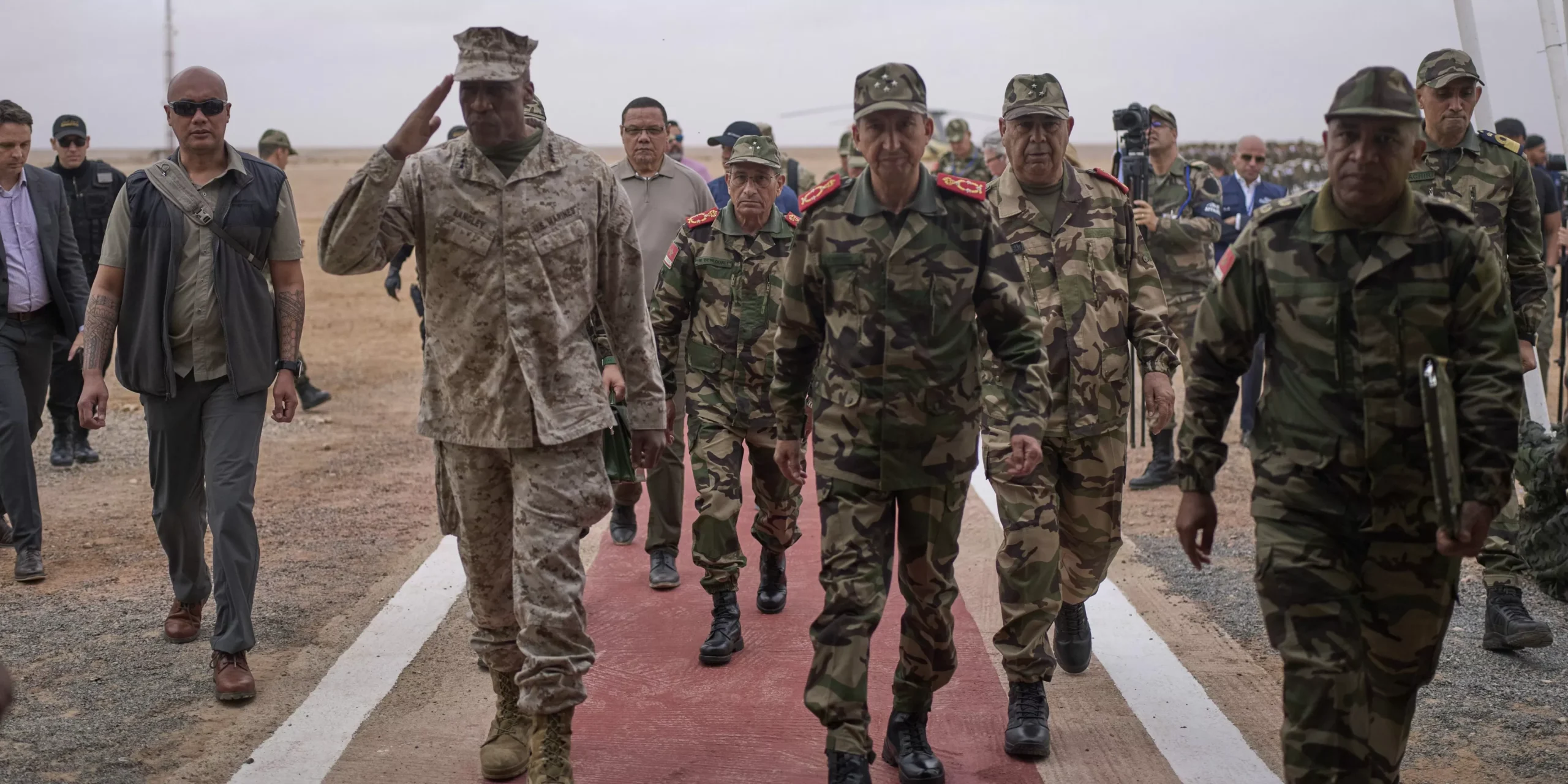
As President Donald Trump shifts the focus of the United States military towards the Western Hemisphere, there is a growing possibility that the U.S. Africa Command (AFRICOM) and other foreign commands could be consolidated. This potential move comes in the wake of a failed military effort in Africa, which has left many questioning the effectiveness and necessity of maintaining a separate command solely for the continent.
Since its establishment in 2007, AFRICOM has been responsible for overseeing U.S. military operations and partnerships in Africa. However, its track record has been marred by numerous failures and controversies, leading to calls for its dissolution. Most notably, the 2017 ambush in Niger that resulted in the deaths of four U.S. soldiers exposed the lack of transparency and accountability within AFRICOM. The incident also highlighted the growing presence of U.S. troops in Africa, which has raised concerns among African nations and their citizens.
In addition to the Niger ambush, AFRICOM has also faced criticism for its role in the ongoing conflicts in Somalia and Libya. Despite years of U.S. military intervention, both countries continue to struggle with instability and violence. This has led many to question the effectiveness of AFRICOM’s approach and whether it is truly serving the interests of the African people.
Furthermore, AFRICOM’s presence in Africa has been viewed by many as a form of neocolonialism, with the U.S. using its military might to further its own economic and political interests on the continent. This has caused resentment among African nations and has strained diplomatic relations.
As Trump turns his attention towards the Western Hemisphere, there is a growing consensus that AFRICOM and other foreign commands could be consolidated. This would not only save the U.S. government millions of dollars in operating costs, but it could also lead to a more cohesive and effective approach to addressing global security concerns.
Consolidating AFRICOM and other foreign commands would also send a strong message to the African people that the U.S. is committed to working with them as equal partners, rather than imposing its will through military force. It would also allow for a more coordinated and strategic approach to addressing the root causes of conflict and instability in Africa, such as poverty, corruption, and lack of governance.
Moreover, the consolidation of AFRICOM and other foreign commands would allow for a more efficient use of resources and personnel. Instead of having separate commands with overlapping responsibilities, a consolidated command would streamline operations and eliminate redundancies.
However, the potential consolidation of AFRICOM and other foreign commands should not be seen as a complete withdrawal of U.S. involvement in Africa. The U.S. should continue to work with African nations through diplomatic and economic means to promote stability and development. This would not only benefit the African people but also serve the long-term interests of the U.S. in the region.
In conclusion, the failed military effort in Africa has shed light on the need for a reassessment of U.S. military operations on the continent. Consolidating AFRICOM and other foreign commands would not only save money and resources, but it would also allow for a more effective and coordinated approach to addressing global security concerns. It is time for the U.S. to shift its focus towards working with African nations as equal partners, rather than imposing its will through military force. This would not only benefit the African people but also serve the long-term interests of the U.S. in the region.