Trotting Out Rhetoric About Drug Trafficking: A Pretext for Venezuela’s Oil
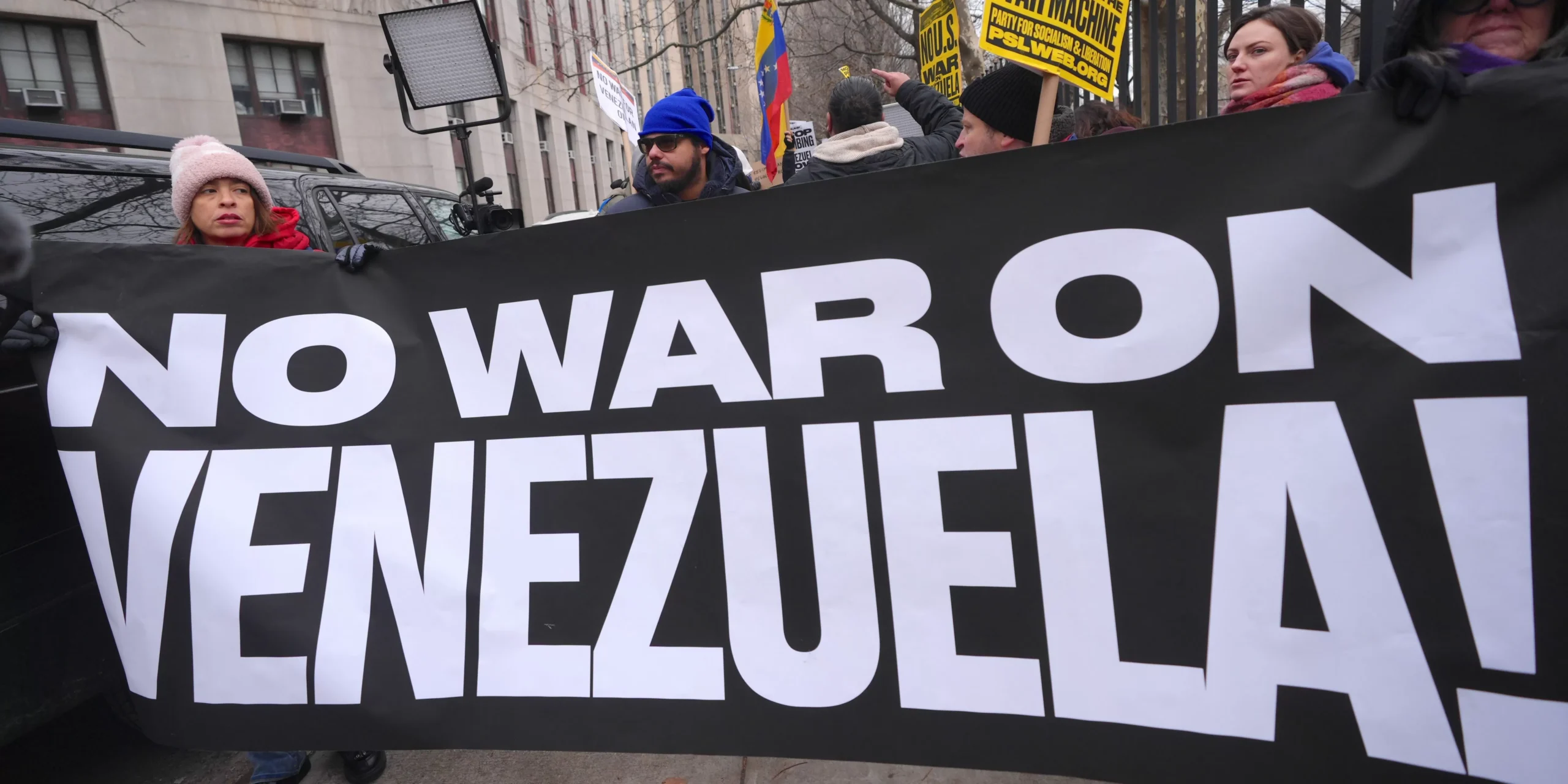
The recent turmoil in Venezuela has been a hot topic in the media, with much of the focus being on the country’s political instability and economic crisis. However, there is one aspect of this crisis that has been largely overlooked – the role of the United States and its failed war on drugs.
For years, the US has been using the rhetoric of drug trafficking as a pretext to interfere in the affairs of other nations. And Venezuela is no exception. The US government, along with its allies, has been using the guise of fighting drug trafficking to justify its actions in Venezuela, when in reality, the true motive has always been the country’s vast oil reserves.
It is no secret that Venezuela has the largest oil reserves in the world. In fact, it is estimated that the country has over 300 billion barrels of proven oil reserves. This makes it a prime target for countries like the US, who are heavily reliant on oil imports. And what better way to gain control of these reserves than by using the excuse of fighting drug trafficking?
The US has a long history of using the war on drugs as a justification for its interventions in other countries. This tactic was first employed during the 1980s, when the US government, led by President Ronald Reagan, launched the infamous “War on Drugs.” This campaign was used to justify military interventions in countries like Colombia, Panama, and Nicaragua, under the guise of fighting drug trafficking. However, it soon became clear that the real goal was to protect US economic interests in the region.
Fast forward to the present day, and we see the same pattern repeating itself in Venezuela. The US, along with its allies, has been quick to condemn the Venezuelan government for its alleged involvement in drug trafficking. However, these accusations are not backed by any concrete evidence. In fact, the US government’s own Drug Enforcement Administration (DEA) has stated that there is no evidence to suggest that high-level government officials in Venezuela are involved in drug trafficking.
So why then, is the US so adamant about using the drug trafficking pretext to intervene in Venezuela? The answer lies in the country’s vast oil reserves. The US has been eyeing these reserves for years, and the current crisis in Venezuela has provided the perfect opportunity to gain control of them.
The US has a long history of interfering in the affairs of Latin American countries, often under the guise of fighting drug trafficking. However, these interventions have done more harm than good. Instead of addressing the root causes of drug trafficking, such as poverty and lack of opportunities, the US has chosen to use military force, which has only led to more violence and instability.
Furthermore, the US’ failed war on drugs has also had a devastating impact on the countries it has targeted. In Colombia, for example, the US has poured billions of dollars into the fight against drug trafficking, yet the country continues to be the world’s largest producer of cocaine. This is a clear indication that the US’ approach is not working and that it is time for a new strategy.
It is time for the US to stop using the pretext of drug trafficking to justify its interventions in other countries. Instead, it should focus on addressing the root causes of drug trafficking, such as poverty and lack of opportunities. This would not only be more effective in reducing drug trafficking but also promote stability and prosperity in these countries.
In the case of Venezuela, it is important for the US and its allies to respect the country’s sovereignty and allow its people to determine their own future. The US should refrain from using the drug trafficking pretext to interfere in Venezuela’s affairs and instead focus on finding a peaceful and diplomatic solution to the crisis.
In conclusion, it is clear that the US’ rhetoric about drug trafficking in Venezuela is nothing more than a pretext for gaining control of the country’s vast oil reserves. It is time for the US to reevaluate its failed war on drugs and adopt a more effective and humane approach towards addressing the issue. Only then can we truly make progress in the fight against drug trafficking and promote stability and prosperity in Latin America.