Protests and Power Plays: From Tehran to the Arctic Circle
In recent months, the world has witnessed two major events that have captured global attention. The first being the widespread protests in Iran, and the second being the controversial interest in Greenland by major financial and tech players. These seemingly unrelated events have sparked discussions and debates about power dynamics and the role of governments in shaping the future of their countries.
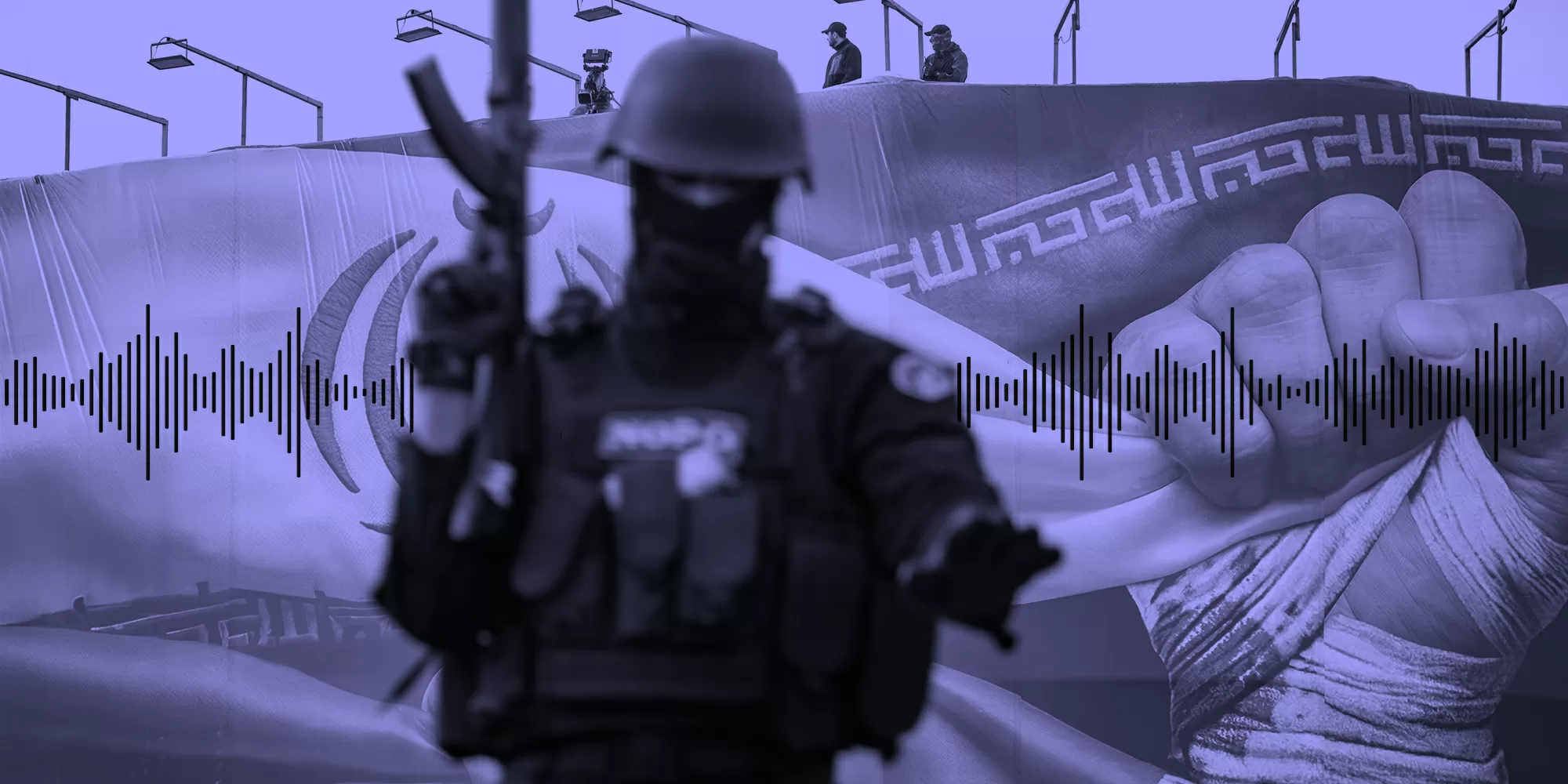
Hooman Majd, a well-respected journalist and author, has been closely following the events in Iran and has provided valuable insights into the protests and the government’s response. In his recent article for The Intercept, Majd sheds light on the brutal tactics used by the Iranian government to suppress the protests and maintain their grip on power.
The protests in Iran began in late 2019, sparked by a sudden increase in fuel prices. However, as Majd points out, the underlying issues run much deeper. The Iranian people have been facing economic hardships for years, with high inflation and unemployment rates. The government’s mismanagement of the economy and widespread corruption have only added to the frustration of the people.
Majd highlights the bravery of the Iranian people who took to the streets to demand change and a better future for themselves and their country. However, their peaceful protests were met with a violent response from the government, with reports of security forces using live ammunition and tear gas on protesters. The government also resorted to shutting down the internet to prevent the spread of information and suppress the protests.
The Iranian government’s actions have been widely condemned by the international community, with many calling for an end to the violence and for the government to listen to the demands of its people. Majd also points out the role of social media in amplifying the voices of the protesters and bringing attention to their cause. Despite the government’s attempts to silence them, the Iranian people have shown resilience and determination in their fight for a better future.
While the protests in Iran have been making headlines, another story has been quietly unfolding in the Arctic Circle. Lois Parshley, in her article for The Intercept, delves into the financial and tech interests in Greenland. The island, which is home to only 56,000 people, has been thrust into the spotlight due to its vast natural resources and strategic location.
Parshley explains how Greenland has become a battleground for major powers, with China, the United States, and Russia all vying for influence and control. The island’s melting ice sheets have opened up new opportunities for resource extraction, and the potential for a new shipping route has also caught the attention of global players.
The interest in Greenland has raised concerns among the local population, who fear losing their autonomy and way of life. The government of Greenland, which has been pushing for independence from Denmark, has also been caught in the middle of these power plays. Parshley’s article sheds light on the complexities of the situation and the potential consequences for the people of Greenland.
The events in Iran and Greenland may seem worlds apart, but they both highlight the struggle for power and the impact it has on ordinary people. The Iranian people are fighting for their rights and a better future, while the people of Greenland are facing the threat of losing their way of life. These events serve as a reminder that power can be used for both good and bad, and it is up to governments to use it responsibly.
As we continue to witness these events unfold, it is important to remember the power of people and their voices. The protests in Iran and the concerns in Greenland are a testament to the resilience and determination of individuals to stand up for what they believe in. It is also a reminder for governments to listen to their people and work towards creating a better future for all.
In conclusion, the events in Iran and Greenland have sparked important discussions about power dynamics and the role of governments in shaping the future. Hooman Majd and Lois Parshley’s articles for The Intercept have provided valuable insights into these events and shed light on the struggles faced by the people in these regions. As we move forward, let us remember the power of people and the importance of using power responsibly for the betterment of society.