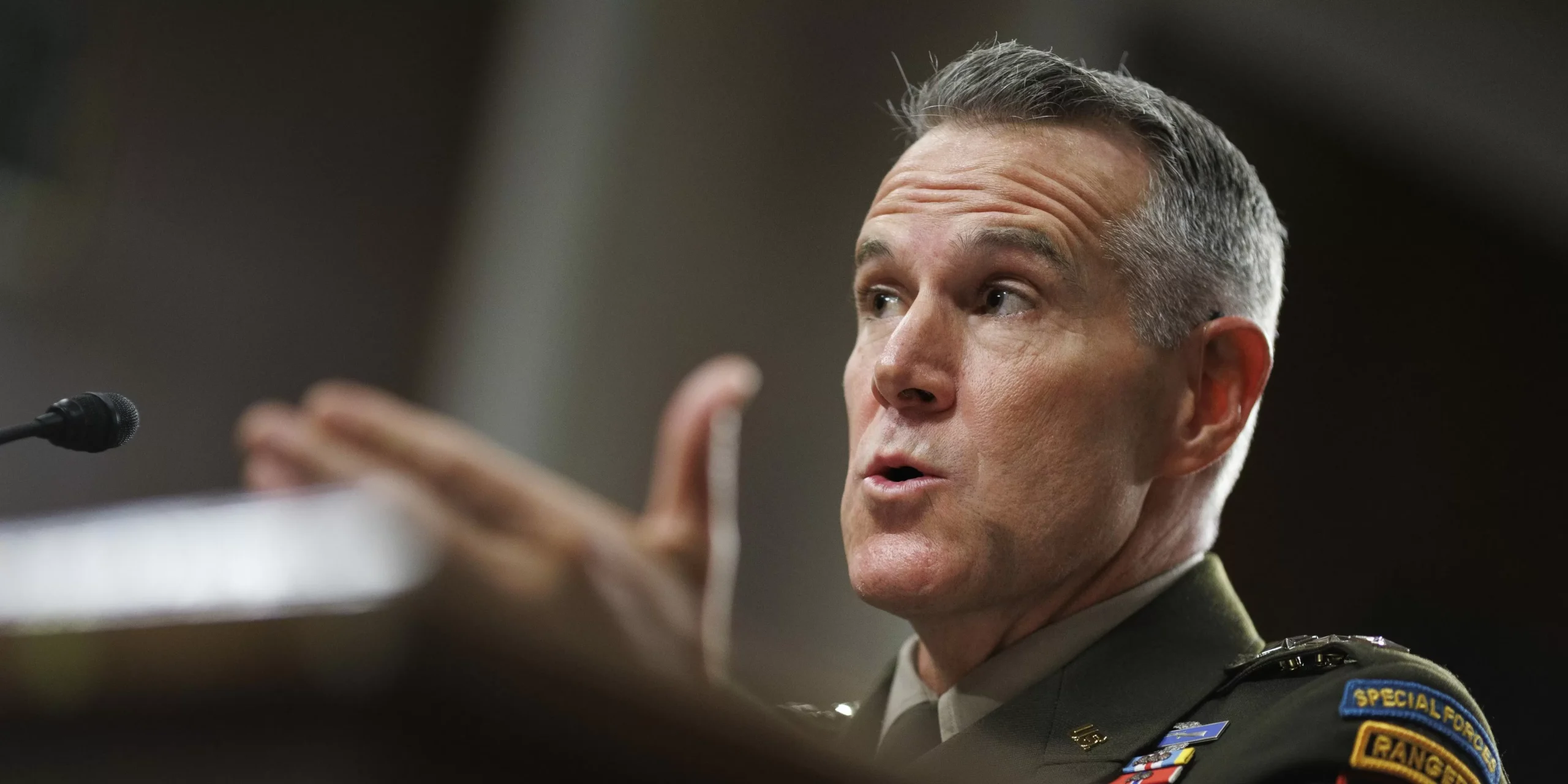
This week, the Senate will be facing tough discussions as they consider the nomination of Lt. Gen. Joshua Rudd to lead the National Security Agency (NSA). Amidst growing concerns about privacy and surveillance, Gen. Rudd’s appointment has raised significant questions and doubts. The issue at the center of these concerns is the use of “backdoor” searches, a practice that allows the NSA to access and analyze the communications of American citizens without a warrant.
According to reports, the perspective of Gen. Rudd on this critical issue is quite limited. In an interview with The Intercept, he stated that he doesn’t know much about the controversial “backdoor” searches. This revelation has sparked an immediate outcry from civil liberty and privacy advocates, who argue that the NSA’s leader must have a comprehensive understanding of the agency’s most significant controversy. The public’s trust in the NSA’s operations and its leader is at stake, making these concerns all the more crucial.
It is not surprising that Gen. Rudd’s nomination has sparked controversy. The NSA’s extensive surveillance programs have been a topic of intense debate since the revelations made by Edward Snowden in 2013. These programs have faced scrutiny for their potential violation of American citizens’ constitutional rights, raising questions about the balance between national security and individual privacy. With the nomination of Gen. Rudd, these concerns have taken center stage once again.
The spotlight on the NSA’s “backdoor” searches stems from the alarmingly wide scope of the program. As per recently released documents, the NSA’s collection of electronic communications is not limited to targeted foreign threats. Instead, it indiscriminately sweeps up vast amounts of data, including innocent Americans’ communications. This mass surveillance compels the question of accountability and oversight, as the NSA has the capacity to access Americans’ private information without their knowledge or consent.
The need for clarification and reassurance on this matter is critical. As the nominee to lead the NSA, Gen. Rudd must provide a clear stance on “backdoor” searches and other surveillance practices. It is concerning that he has been nominated for this crucial position without a comprehensive understanding of the agency’s most troublesome activities. It raises questions about the vetting process and the level of accountability and transparency within the NSA.
It is essential for the Senate to conduct a thorough and rigorous confirmation process for Gen. Rudd. As a retired Army general, Rudd’s impressive military career is commendable. However, leading one of the most powerful intelligence agencies in the world requires more than just military experience. It calls for a deep understanding of diverse perspectives, including the constitutional rights of American citizens.
The issue of surveillance and privacy is not just a concern for civil liberty advocates; it is a nonpartisan concern that affects all Americans. It is crucial for the Senate to ask tough and pointed questions to Gen. Rudd about his understanding and views on these matters. The American public deserves transparency and accountability from their government, especially regarding issues that affect their fundamental rights.
As the Senate considers the nomination of Gen. Rudd, they must consider the potential consequences of appointing someone who lacks a fundamental understanding of the NSA’s most contentious issue. The public’s trust in the NSA is already fragile; it cannot afford any more setbacks. It is crucial for the Senate to do their due diligence and ensure that the nominee for this crucial position is well-qualified and equipped to lead the agency responsibly.
In conclusion, the nomination of Gen. Rudd to lead the NSA has brought the issue of “backdoor” searches to the forefront once again. These searches are a significant concern for Americans, who deserve reassurance and clarity on their privacy rights. The Senate must thoroughly vet Gen. Rudd and demand answers to these concerns before confirming him as the leader of the NSA. The future of privacy and national security relies heavily on this decision, and the Senate must fulfill their responsibility to the American people.