The Trump administration has been surrounded by controversies since the beginning of his presidency. From immigration policies to international relations, there has been no shortage of heated debates and disagreements. However, one issue that has not received enough attention is the Section 702 of the Foreign Intelligence Surveillance Act (FISA). This law allows the National Security Agency (NSA) to conduct warrantless searches of Americans’ information. With the law set to expire soon, it is concerning that the Trump administration has not taken a clear stance on it.
Section 702 of FISA was first introduced in 2008 as a response to the 9/11 attacks. Its purpose was to intercept communications of foreign targets outside of the United States. However, through the use of “incidental collections,” the NSA can also gather information on Americans without a warrant. This has raised serious concerns about privacy and civil liberties, as well as the potential for abuse of power.
The expiration of this controversial law is fast approaching, and yet the Trump administration has been silent on its stance. This is concerning, given President Trump’s previous statements about surveillance and his criticism of the previous administration’s use of FISA. During his campaign, Trump claimed that he was being wiretapped by the Obama administration, which was later proven to be false. However, this raises questions about Trump’s understanding and respect for privacy rights.
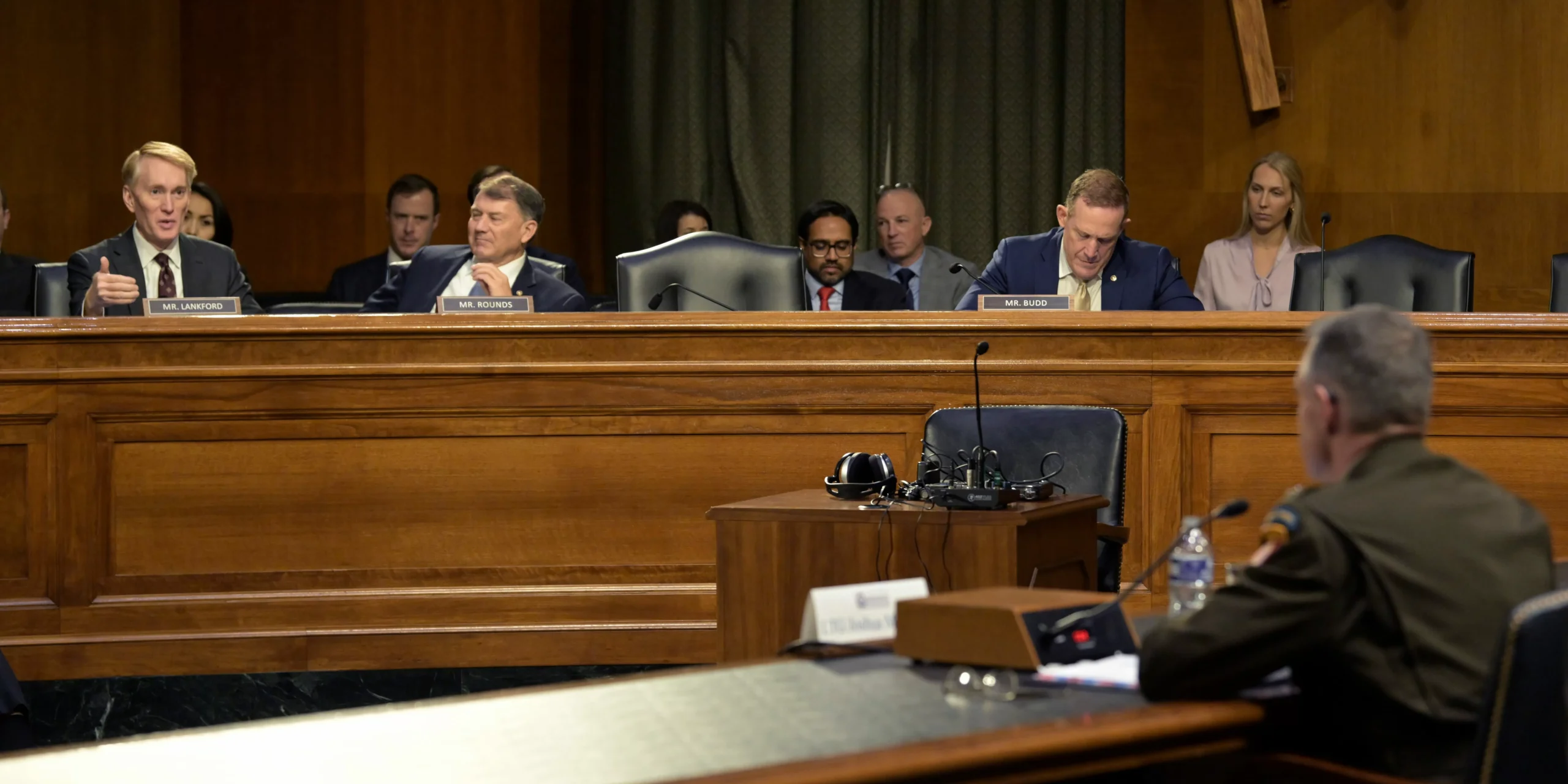
The lack of clarity from the Trump administration was evident in a recent hearing on the reauthorization of Section 702. The hearing, which was held by the House Judiciary Committee, was attended by officials from the Department of Justice, the Office of the Director of National Intelligence, and the FBI. However, noticeably absent were representatives from the Trump administration. This is concerning, as their absence suggests that they do not deem this issue important enough to address.
The hearing itself was a heated one, with both sides presenting their arguments for and against the reauthorization of Section 702. The supporters of the law claim that it is crucial for national security and has helped prevent terrorist attacks. On the other hand, opponents argue that it violates the Fourth Amendment, which protects citizens from unreasonable searches and seizures. They also argue that the law has been used to gather information on innocent Americans, without any probable cause.
One of the most significant concerns surrounding Section 702 is the lack of transparency and oversight. The program operates under a veil of secrecy, making it difficult to know the full extent of its reach and potential abuses. The recent hearing shed some light on the issue, with the FBI revealing that they have conducted tens of thousands of warrantless searches of Americans’ information. This is a staggering number and highlights the need for strict oversight and accountability.
The Trump administration’s silence on this issue is not only concerning, but it also goes against their promise of transparency and putting America’s interest first. As the expiration date of Section 702 approaches, it is essential for the administration to take a clear stance. They owe it to the American people to address their concerns and ensure that their rights are protected.
Furthermore, the lack of participation from the Trump administration in the recent hearing raises questions about their commitment to upholding the Constitution. The Fourth Amendment is a fundamental part of our democracy, and any law that undermines it must be carefully examined and debated. The Trump administration’s absence from the hearing sends a message that they are not interested in engaging in this important discussion.
In conclusion, the expiration of Section 702 of FISA is a significant issue that deserves attention and discussion. The Trump administration must take a clear stance on this matter and address the concerns raised by both sides. The American people deserve to know where their government stands on this issue and what actions will be taken to protect their privacy rights. It is time for the administration to step up and fulfill their promise of transparency and accountability. The reauthorization of Section 702 is not just a matter of national security but also a matter of upholding the values and principles of our nation.