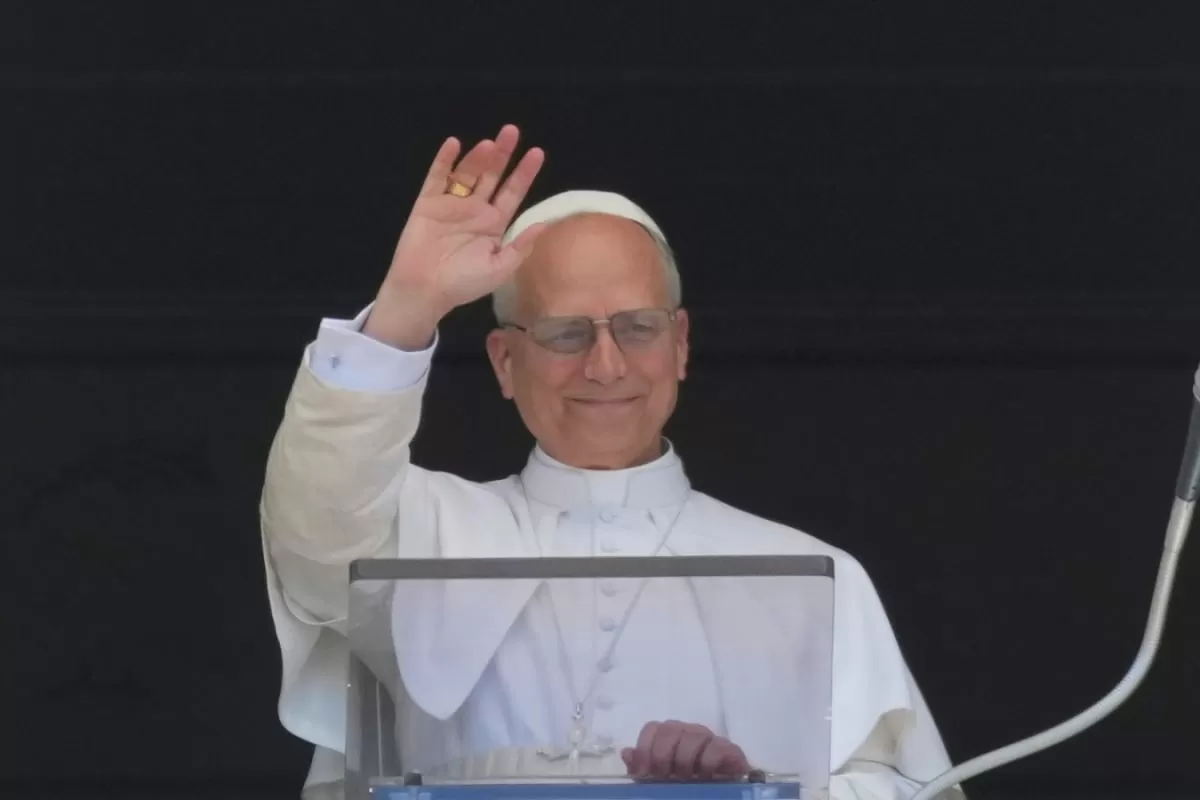
Pope Leo XIV, the head of the Catholic Church, has recently issued a warning to all Catholic priests, urging them to refrain from using artificial intelligence (AI) for homilies. In a statement released by the Vatican, the Pope emphasized the importance of personal faith and intellect in delivering sermons, rather than relying on technology.
The use of AI in various fields has become increasingly popular in recent years, with its ability to analyze large amounts of data and perform complex tasks. However, the Pope believes that the use of AI in homilies can have a negative impact on the Church and its teachings.
In his statement, Pope Leo XIV highlighted the importance of a personal connection with God and using one’s own intellect and understanding to deliver homilies. He expressed concern that the use of AI could lead to a lack of depth and sincerity in preaching, as well as the potential for erroneous interpretations of the Church’s teachings.
The Pope also stressed that the role of a priest is not just to recite words, but to guide and inspire their congregation through their personal experience and understanding of the faith. He urged priests to focus on developing their own spiritual growth and knowledge of the Church, rather than relying on technology to deliver sermons.
Furthermore, the Pope highlighted the potential risks that come with the use of AI, such as the loss of human interaction and the erosion of traditional practices within the Church. He emphasized that the human touch in homilies is essential in fostering a sense of community and promoting a deeper understanding of the Catholic faith.
While acknowledging the advancements in technology, the Pope also emphasized the need for balance and discernment in its use. He urged priests to use their own judgement in deciding when and how to incorporate technology in their teachings, taking into consideration the potential impact it may have on the congregation.
The Catholic Church has always placed great importance on personal faith and intellect, and the Pope’s warning against the use of AI in homilies serves as a reminder of this fundamental principle. It is a call to all priests to stay true to the essence of their role, which is to guide and nurture their congregation through their own personal faith and understanding of the Church’s teachings.
In response to the Pope’s statement, many priests have expressed their support and agreement with his sentiments. Father Joseph, a priest from Rome, acknowledged the role of technology in enhancing communication and outreach, but also recognized the dangers that come with its use in delivering homilies. He believes that the Pope’s warning serves as a reminder to priests to stay true to their vocation and to use their own personal faith and intellect in their preaching.
The Pope’s statement has also received positive feedback from the Catholic community, with many expressing their gratitude for his guidance and wisdom. The Church’s teachings are rooted in the personal experience and understanding of its followers, and the Pope’s warning against the use of AI in homilies reinforces this belief.
In today’s technology-driven world, it is vital for the Catholic Church to maintain its traditional practices and values, while also embracing advancements in technology. The Pope’s warning serves as a reminder to all Catholic priests to strike a balance between the two and to prioritize the importance of personal faith and intellect in their teachings.
In conclusion, Pope Leo XIV’s warning against the use of AI in homilies is a timely reminder for all Catholic priests to stay true to the core values and teachings of the Church. It is a call to prioritize personal faith and intellect in delivering sermons, and to use technology in a way that complements and enhances the traditional practices of the faith. Let us heed the Pope’s words and continue to nurture our personal connection with God, as we strive to spread the teachings of the Catholic Church.