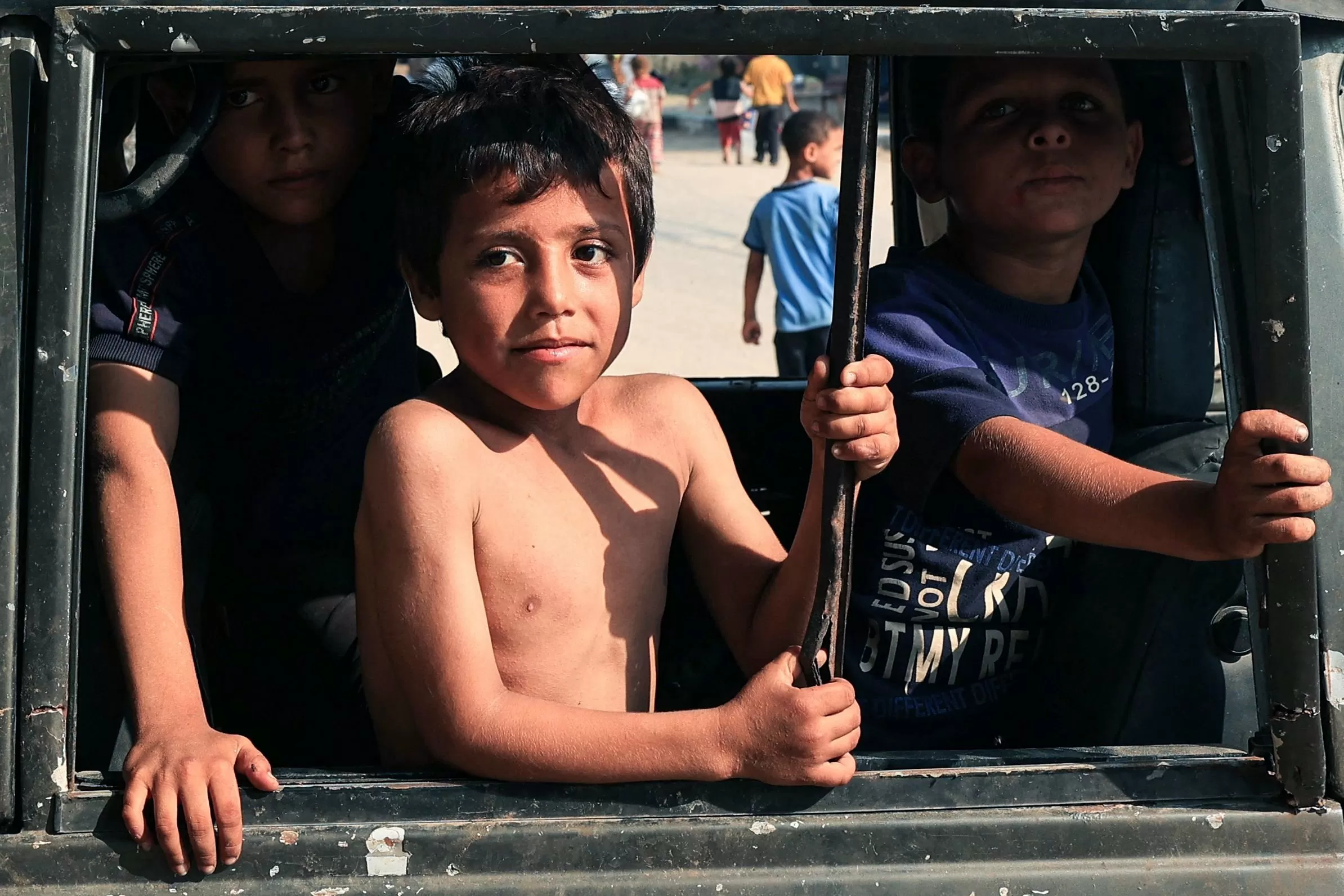
Israel’s Nine-Month Genocidal War: The Mental Scars of Gaza’s Children
The past nine months have been a living nightmare for the people of Gaza. The ongoing conflict between Israel and Palestine has taken a devastating toll on the innocent civilians, especially the children. The constant bombardment, fear, and loss have left deep mental scars on the young minds of Gaza. As a result, there has been a surge in cases of bedwetting, nightmares, and shaking among the children, painting a grim picture of the long-lasting effects of war on their mental health.
The conflict in Gaza has been ongoing for decades, but the recent nine-month genocidal war has been one of the most brutal and destructive. The indiscriminate attacks by the Israeli forces have left the people of Gaza in a constant state of terror and trauma. The constant sound of explosions, the loss of loved ones, and the destruction of homes and schools have created a toxic environment for the children of Gaza, one that is taking a heavy toll on their mental well-being.
According to a report by the United Nations, nearly 70% of the population in Gaza is under the age of 30, and children make up a significant portion of this number. These young minds have been exposed to unimaginable levels of violence and trauma, which has had a severe impact on their mental health. The constant fear and uncertainty have caused many children to suffer from anxiety, depression, and post-traumatic stress disorder (PTSD). But the most concerning aspect is the growing number of cases of bedwetting, nightmares, and shaking among the children, which are clear signs of severe psychological distress.
Bedwetting, also known as enuresis, is a common reaction to stress and trauma in children. The constant fear and anxiety caused by the conflict have disrupted the normal functioning of the bladder, leading to involuntary urination during sleep. This is a condition that affects children of all ages, but the recent surge in cases in Gaza is alarming. According to a study by the Palestinian Children’s Relief Fund, the number of bedwetting cases has increased by 40% in the past nine months, with many children experiencing it for the first time.
Nightmares are another common symptom of trauma in children. The constant exposure to violence and loss has created a fertile ground for nightmares to thrive. Many children in Gaza have reported having frequent and vivid nightmares, which often revolve around the conflict and its aftermath. These nightmares not only disrupt their sleep but also cause them to wake up in a state of panic and fear, further exacerbating their mental distress.
Shaking or tremors are also becoming increasingly prevalent among the children of Gaza. These involuntary movements are a physical manifestation of the psychological trauma they have experienced. The constant state of fear and anxiety has taken a toll on their nervous system, causing them to shake uncontrollably. This is a clear indication of the severe impact the conflict has had on their mental health.
The consequences of these mental scars on the children of Gaza are far-reaching and long-lasting. The trauma they have experienced will have a profound impact on their development, affecting their ability to learn, socialize, and form relationships. Many of them will carry these scars well into adulthood, making it difficult for them to lead a normal and fulfilling life. This is a tragedy that cannot be ignored, and urgent action must be taken to address the mental health crisis in Gaza.
It is crucial for the international community to recognize the gravity of the situation in Gaza and take immediate steps to help the children of Gaza heal from their mental scars. The provision of mental health support and services must be prioritized to ensure that these children receive the necessary treatment and support to cope with their trauma. It is also essential to create a safe and stable environment for them to grow and thrive, free from the constant fear of violence and conflict.
As we look towards a future of peace and stability in the region, it is imperative to prioritize the well-being of the children of Gaza. They are the future of Palestine, and their mental health must not be neglected. It is time for the international community to come together and take concrete steps towards ending the conflict and providing the necessary support to help the children of Gaza heal from their mental scars. Only then can we hope for a brighter and more peaceful future for the children of Gaza.