On a warm July evening in Delaware, state biologist Jason Davis is on a mission that has been a favorite pastime for generations: catching fireflies. As he sets out on his adventure, he is reminded of the simple joys of childhood and the magic of summer evenings.
But catching fireflies is no easy task, especially in the muggy weather. Davis carefully scans the grassy fields, hoping to spot the telltale flicker of the tiny insects. He knows that patience and persistence are key in this pursuit.
As the sun begins to set and the sky turns a deep orange, Davis finally spots a firefly. He carefully approaches, trying not to startle the delicate creature. With a swift movement, he captures it in his cupped hands. The firefly emits a soft glow, mesmerizing Davis and reminding him of the wonder and beauty of nature.
For many, catching fireflies is a cherished childhood memory. It’s a tradition that has been passed down through generations, and one that continues to bring joy and excitement to people of all ages. But beyond the nostalgia, there is a deeper significance to this simple act.
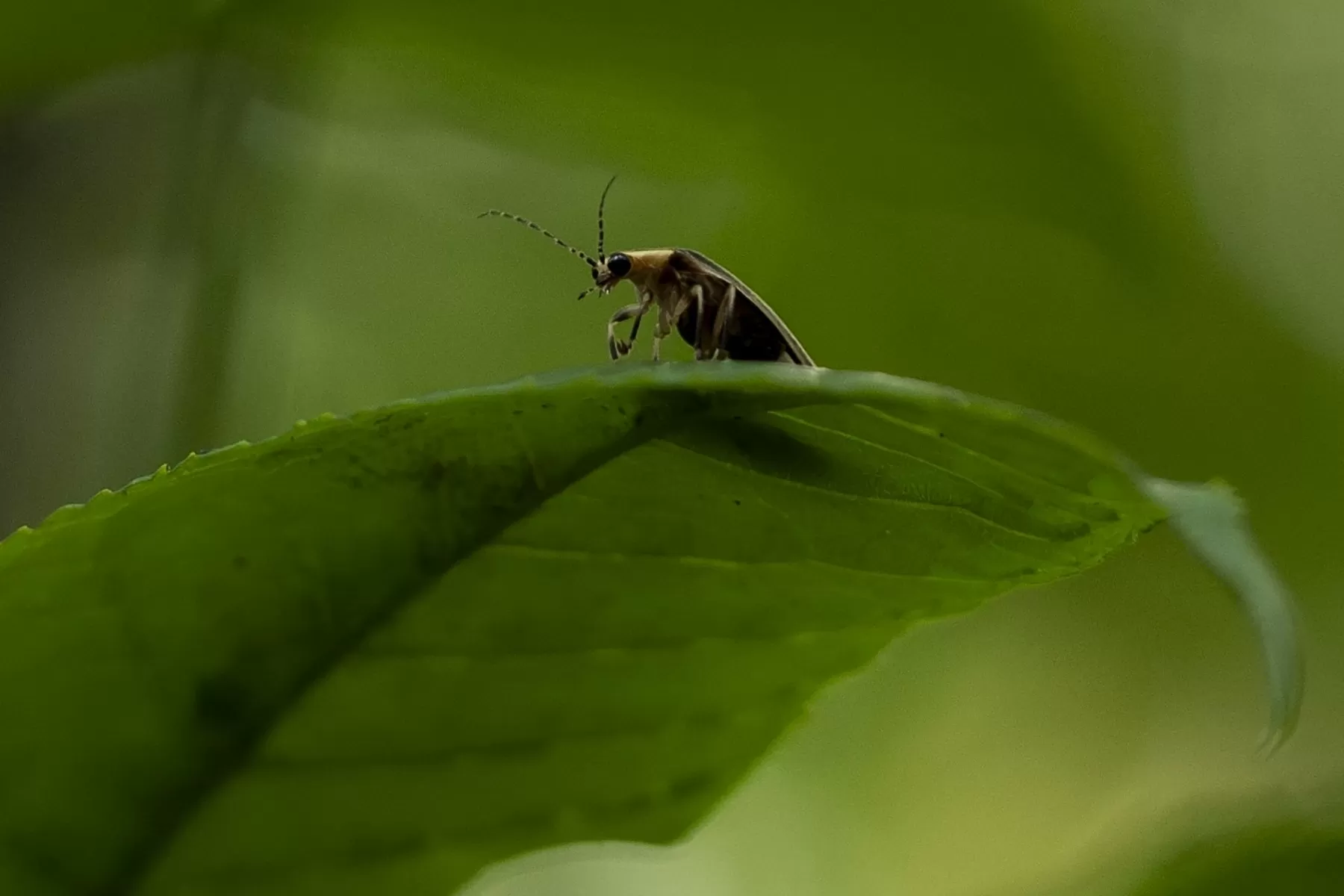
Fireflies, also known as lightning bugs, are actually a type of beetle. They are unique in that they have the ability to produce light through a chemical reaction in their bodies. This bioluminescence serves as a way for fireflies to communicate with each other and attract mates.
But beyond their scientific significance, fireflies hold a special place in our hearts. They are a symbol of summer, of warm evenings spent chasing after their elusive glow. They remind us to slow down and appreciate the little things in life.
In recent years, the number of fireflies has been declining due to habitat loss and light pollution. This makes the act of catching fireflies even more meaningful. It’s a way to connect with nature and appreciate the beauty of these creatures while also being mindful of their fragile existence.
As Davis continues his quest, he is joined by a group of children who are also on the lookout for fireflies. They eagerly follow him, their eyes wide with excitement and wonder. Davis takes the time to explain to them the importance of being gentle with the fireflies and releasing them back into the wild after catching them.
The children are fascinated by the fireflies and ask Davis numerous questions about them. He patiently answers each one, sparking their curiosity and instilling in them a love for nature. This is what makes Davis’ job as a state biologist so rewarding – the opportunity to educate and inspire future generations to appreciate and protect our natural world.
As the night falls and the fireflies become more abundant, Davis and the children are surrounded by a magical display of twinkling lights. They run and laugh, trying to catch as many fireflies as they can. In this moment, there are no screens or distractions, just the pure joy of being outdoors and connecting with nature.
As the evening comes to an end, Davis and the children release the fireflies back into the wild. They watch in awe as the tiny insects disappear into the darkness, leaving behind a trail of light. It’s a bittersweet moment, but one that is filled with hope and appreciation for the beauty of nature.
In a world that is constantly moving and changing, it’s important to take a moment to slow down and appreciate the simple things in life. Catching fireflies may seem like a small act, but it holds a much deeper meaning. It’s a reminder to cherish the present moment and to protect the wonders of nature for future generations.
So the next time you see a firefly on a muggy July evening, take a moment to appreciate its beauty and remember the magic of childhood. And perhaps, you may even be inspired to catch a firefly and release it back into the wild, keeping the tradition alive and preserving the wonder of these tiny creatures.