Iran has once again defied international demands and continued its pursuit of nuclear weapons, according to a recent confidential report from the United Nations. The report reveals that Iran has significantly increased its accumulation of uranium enriched to nearly weapons-grade levels, raising concerns about the country’s intentions and actions.
This alarming development comes as no surprise, as Iran has a long history of disregarding international agreements and sanctions in its quest for nuclear capabilities. Despite repeated warnings and calls for compliance, Iran has continued to push forward with its nuclear program, causing great concern among the international community.
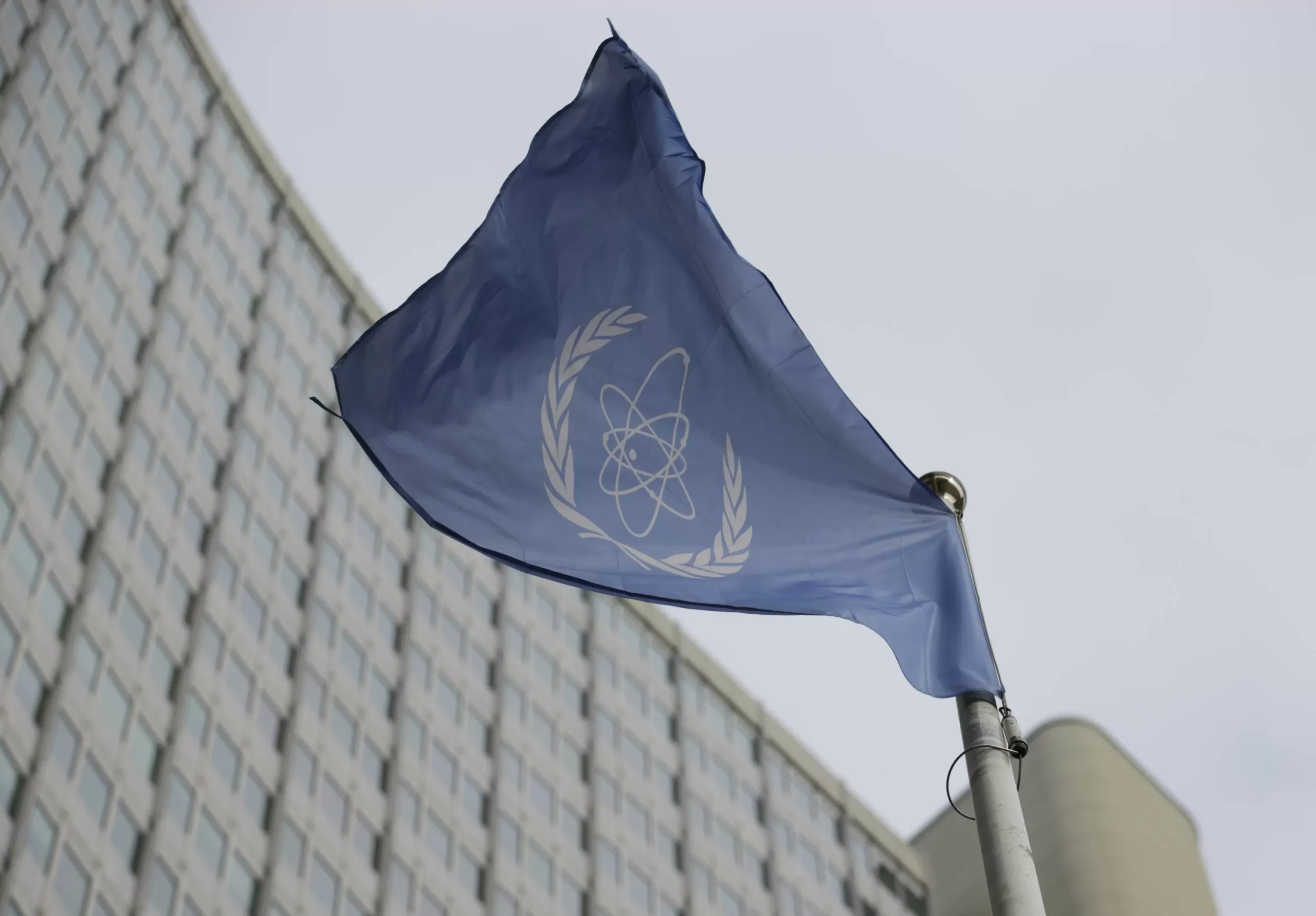
The latest report from the United Nations’ nuclear watchdog, the International Atomic Energy Agency (IAEA), states that Iran has accumulated 2,105.4 kilograms of enriched uranium, which is a significant increase from the previously reported amount of 1,571.6 kilograms. The IAEA also confirms that Iran has enriched uranium to a purity level of up to 63%, which is just below the threshold for weapons-grade material.
This is a blatant violation of the Joint Comprehensive Plan of Action (JCPOA), also known as the Iran nuclear deal, which was signed in 2015 with the aim of preventing Iran from developing nuclear weapons. Under the deal, Iran was allowed to enrich uranium up to a purity level of 3.67%, which is only suitable for civilian purposes such as energy production and medical research. However, the recent report indicates that Iran has surpassed this limit and is now dangerously close to being able to produce a nuclear weapon.
The actions of the Iranian government are not only a threat to regional and global security but also a clear violation of their commitments under the JCPOA. The deal was negotiated and signed by Iran along with the United States, the United Kingdom, France, Germany, Russia, and China, and was endorsed by the UN Security Council. It was a significant achievement towards promoting peace and stability in the region, and the international community has repeatedly called for its full implementation.
However, since the United States’ withdrawal from the JCPOA in 2018, Iran has gradually reduced its compliance with the deal, citing the failure of other parties to uphold their end of the agreement. While it is true that the reimposition of U.S. sanctions has had a negative impact on Iran’s economy, it does not justify their blatant disregard for international obligations and the pursuit of nuclear weapons.
The latest report from the IAEA also highlights other concerning activities, such as the production of uranium metal and the installation of advanced centrifuges at the Natanz nuclear facility. These actions have raised doubts about Iran’s real intentions and have caused further tension and uncertainty in the region.
The international community must not turn a blind eye to Iran’s actions and must hold the country accountable for its violations of the JCPOA. The IAEA has called on Iran to provide a full and transparent explanation for its increased uranium enrichment and to allow access to all relevant sites for inspections. It is crucial that Iran cooperates fully with the IAEA and takes concrete steps to return to full compliance with the JCPOA.
Furthermore, the other parties to the JCPOA, including the European Union, must use all diplomatic means to persuade Iran to reverse its actions and uphold its commitments under the deal. The JCPOA remains the best and most effective way to prevent Iran from acquiring nuclear weapons, and it is in the interest of all parties to ensure its full implementation.
In conclusion, the recent report from the United Nations is a cause for great concern and a clear indication that Iran is actively pursuing nuclear weapons. The international community must act swiftly and decisively to address this threat and hold Iran accountable for its actions. It is essential that Iran returns to full compliance with the JCPOA and works towards building trust and confidence with the international community. Only through cooperation and dialogue can we achieve a peaceful and stable world, free from the threat of nuclear weapons.