Drones are becoming increasingly popular and finding new applications in various industries. From delivering packages to providing aerial surveillance, these unmanned aerial vehicles have proven to be valuable assets. And now, they are also being used to protect endangered species.
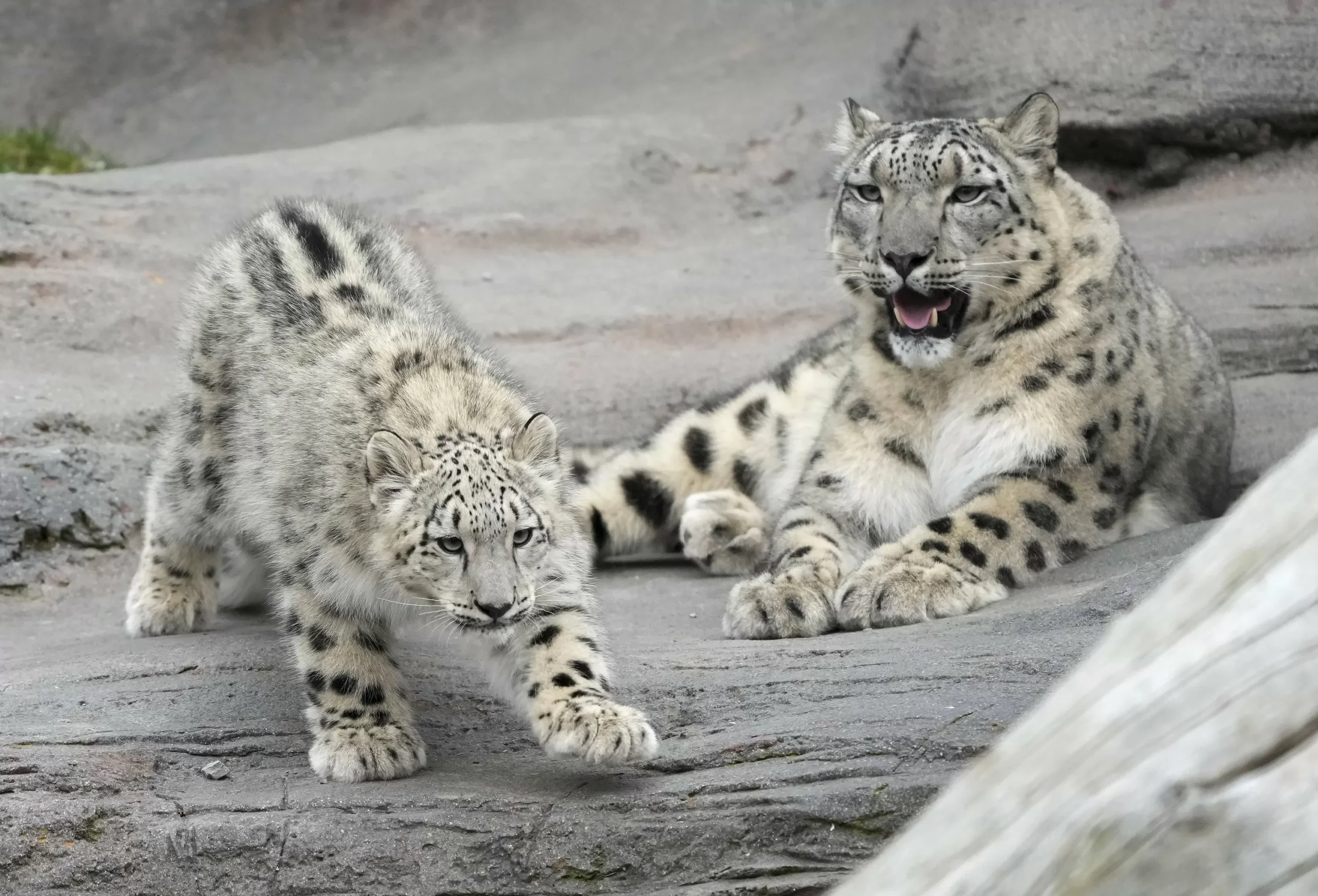
In a recent announcement, a Hampshire zoo revealed their plans to use drones to monitor the wellbeing of their snow leopards and other endangered species. The use of drones brings a new level of efficiency and accuracy to the task of monitoring and caring for these animals.
These drones are equipped with state-of-the-art technology that allows them to see the veins in an animal’s ear from a height of 120 meters above. This enables the zookeepers to keep a close eye on the animals’ health without having to disturb or stress them. The veins in an animal’s ear can provide important information about their overall health and well-being, including their hydration levels and any potential injuries or illnesses.
The Hampshire zoo has partnered with a technology company that specializes in drone technology for wildlife conservation. The company has developed this groundbreaking drone technology specifically for monitoring animals, making it non-invasive and stress-free for the animals.
The use of drones in this way not only benefits the animals but also the zookeepers, who can now monitor the animals from a safe distance. This eliminates the need for physical checkups, which can sometimes cause distress to the animals. With the help of drones, the zookeepers can now assess the animals’ condition from a distance and intervene only when necessary, ensuring the animals’ well-being.
The zoo’s decision to use drones for animal monitoring is a part of their larger commitment to conservation efforts. By closely monitoring the animals’ health, the zoo can detect any potential health issues early on and provide the necessary care before it becomes a serious problem. This not only helps in preserving the endangered species but also ensures the longevity of the zoo’s animal population.
Moreover, the use of drones in animal monitoring is a step towards reducing human impact on the animals’ natural habitat. As opposed to traditional methods of monitoring, drones do not require human presence in the animals’ environment, reducing the risk of disturbing their natural behavior and causing distress.
The zoo’s snow leopards, in particular, will greatly benefit from this technology. These elusive and solitary creatures often have difficulty adjusting to a captive environment. With the help of drones, the zookeepers can closely monitor their behavior and well-being, ensuring they are receiving the best care possible.
The use of drones in wildlife conservation is not new. Several organizations and initiatives have successfully used drones to monitor and protect endangered species. However, the Hampshire zoo’s decision to adopt this technology is a significant step in promoting and popularizing the use of drones for conservation efforts.
The use of drones in animal monitoring also opens up possibilities for further research and insights into animal behavior and physiology. Scientists can use the data collected by the drones to understand more about the animals’ habitat, behavior, and movements. This will contribute to further conservation efforts and help in implementing more effective conservation strategies in the future.
In conclusion, the use of drones to monitor endangered species is a revolutionary step in wildlife conservation. By minimizing human interference and providing real-time information about the animals’ health, drones are revolutionizing animal care and conservation efforts. The Hampshire zoo’s initiative is a shining example of how technology and conservation can go hand in hand to protect our planet’s most precious species. With the help of drones, we can ensure the survival and well-being of these animals for generations to come.